
Home » AFCON 2027: Stadium Updates and Host Nation Readiness
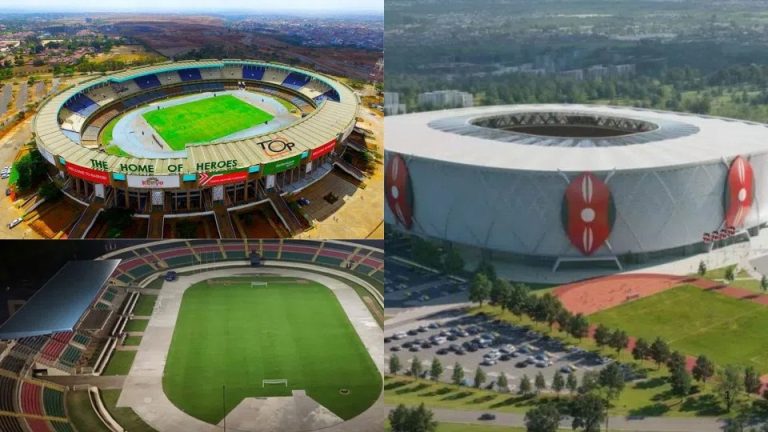
And with AFCON 2027 now just beyond the horizon, Kenya, Uganda and Tanzania are racing against time to get their stadiums ready. With the tournament calendar finalized by the Confederation of African Football, focus now shifts to extensive checks – and whether crucial infrastructure will be delivered in time.
It is an unprecedented inaugural: three nations jointly hosting – making the simple necessity of cross-border cooperation paramount. It is more than just about meeting criteria, each completed stadium renovation will impact immediately on the success, and aesthetics, of AFCON 2027.
This will mark the 36th AFCON tournament. A 24-team format remains in place, meaning venues and training sites must meet strict CAF standards.
CAF’s confirmation of the timeline for AFCON 2027 removed uncertainty on this score. With that certainty, host governments could finally release funds and accelerate construction. These multi-year projects need solid political backing, and that official confirmation really helped steady the planning process.
CAF leadership emphasized accountability during recent communications. Inspection cycles are already underway in key venues. Meanwhile, organizing committees are aligning local contractors with CAF technical requirements. It’s no longer about blueprints; it’s about demonstrating real progress.
CAF typically distributes fixtures based on readiness and compliance. Stadium certification, broadcast infrastructure and safety systems all influence allocation. Countries that complete upgrades early often gain stronger negotiating positions. Therefore, it’s a race against time, but they also must get it perfectly right.
The key aspects of a 24-team AFCON are:
If one host demonstrates superior readiness, it may secure knockout matches. Meanwhile, geographic balance will remain part of CAF’s final decision. Supporters across East Africa are closely watching this process.
Kenya’s betting on a three-stadium approach to really make its mark as a host. Officials want to position Nairobi as a central tournament hub. Because multiple certified venues increase allocation chances, renovation timelines are tightly monitored. Each stadium plays a defined role in the proposal.
Kasarani Stadium and Upgrade Focus
Kasarani Stadium anchors Kenya’s AFCON 2027 ambitions. The venue offers large seating capacity and continental experience. Renovations are focusing on pitch rehabilitation, drainage systems and upgraded security layers. Broadcast facilities are also being modernized to meet television standards.
High-profile fixtures demand flawless playing surfaces. Lighting calibration is being adjusted for global coverage requirements. Inspectors will evaluate compliance against detailed benchmarks. Early approval would significantly strengthen Kenya’s case for major matches.
Talanta Stadium and Modern Infrastructure
Talanta Stadium is Kenya’s long-term infrastructure investment. The goal is to create the new multi-purpose venue ahead of even AFCON 2027. Its geopolitical significance makes the construction progress being monitored. Completion on schedule could open doors for semi-final allocation.
M Well-designed modern stadiums just make everything run smoother during big tournaments. Wider concourses and secure entry systems reduce congestion risk. Plus, better hospitality zones mean more money-making opportunities. Talanta is therefore both a sporting and economic asset.
Nyayo Stadium and Urban Advantage
Nyayo Stadium adds depth to Kenya’s proposal. Its central location improves accessibility for fans and media. Upgrades include seating compliance, emergency planning systems and pitch improvements. Fan experience enhancements are also part of the renovation agenda.
Being close to major transport links makes everything easier to manage. Hotels and media facilities are nearby, which simplifies logistics. Urban positioning strengthens Kenya’s technical submission. This layered approach enhances overall credibility.
Uganda has entered a critical inspection window for AFCON 2027. CAF technical teams are evaluating facilities against structural and operational standards. These inspections determine whether venues qualify for group or knockout matches. Any issues found need fixing, and fast.
Inspectors primarily look at:
Getting certified early is a smart move, as it directly affects which games a country can host.
Mandela National Stadium as Uganda’s Flagship Venue
Mandela National Stadium is expected to lead Uganda’s hosting role. The stadium carries both symbolic and operational importance. Inspectors are checking pitch quality, lighting calibration and security upgrades.
Crowd flow design is under active review. Big games mean top-tier safety, so the rules for compliance are still really tough. Uganda’s timeline reflects that urgency.
Hoima City Stadium and Regional Expansion
Hoima City Stadium represents Uganda’s expansion plan. The venue aims to supplement Kampala’s hosting capacity. Inspectors are assessing structural completion and auxiliary facilities. Approval would expand Uganda’s match inventory.
Hosting games across the region means more money flows to places outside just the capital. Infrastructure investment in Hoima supports long-term development goals. What’s more, spreading the hosting duties around shows they can really organize things.
Tanzania arrives at AFCON 2027 with some recent tournament experience. Operational insight came from hosting the 2024 African Nations Championship. That background reduces risk during large-scale match coordination. Experience often translates into smoother logistics.
While Kenya and Uganda undergo intensive upgrades, Tanzania provides balance within the trio. Match-day management systems are already tested. Getting security and transport right across borders is still absolutely crucial. Regional cooperation therefore underpins tournament stability.
CAF has discussed expansion in previous cycles. However, AFCON 2027 is expected to maintain the 24-team structure. Expansion would require additional certified venues and longer scheduling windows. Organizers are not planning for that shift in this edition.
The 24-team format consists of:
Maintaining this structure simplifies preparation. Hosts can focus on current compliance standards. Stability benefits construction timelines.
CAF inspections go beyond visual assessments. Technical teams evaluate safety, broadcast integration and operational planning. Cosmetic upgrades alone will not secure certification. It’s all about meeting those clear standards to get the green light.
The inspection outcomes will affect:
AFCON 2027 represents a landmark opportunity for East Africa. Being a host means better roads and buildings, and a boost for tourism. Stadium investments often trigger broader transport and hospitality improvements. The economic benefits don’t just stop when the games do.
Increased hotel occupancy and local business activity typically follow major tournaments. Being on TV worldwide also puts the region on the map. With millions watching worldwide, the region’s profile is set to explode. The trio carries significant continental expectations.
The next phase centers on inspection feedback and corrective work. Countries must close compliance gaps within defined deadlines. Once certifications are confirmed, CAF can finalize match allocations. That clarity will accelerate marketing and ticketing plans.
Upcoming milestones include:
Each milestone brings AFCON 2027 closer to kickoff. They’ll need to keep pushing hard. What they deliver in the next two years will truly shape how this tournament is remembered.
AFCON 2027 has moved firmly into execution mode. Kenya is pushing a three-stadium strategy, Uganda is navigating rigorous inspections and Tanzania adds operational experience. CAF’s confirmation removed uncertainty and sharpened accountability. Every construction update now directly influences match distribution.
Should the infrastructure delivery remain on time, East Africa could host one of the most memorable editions of any Africa Cup of Nations.
AFCON 2027 is scheduled for 2027, with exact dates to be confirmed by CAF after final consultations. Scheduling clarity will follow venue certification.
Kenya, Uganda and Tanzania will jointly host AFCON 2027. This marks the first three-nation hosting model in tournament history.
No. CAF has publicly reaffirmed that AFCON 2027 will proceed as scheduled.
Key venues include Kasarani, Talanta and Nyayo in Kenya, as well as Mandela National Stadium and Hoima City Stadium in Uganda. Tanzania’s certified venues will complete the final list after inspections.
The tournament is expected to feature 24 teams. Organizers are not preparing for expansion in this cycle.