
Home » Uganda AFCON 2025 Preview: Cranes’ Test
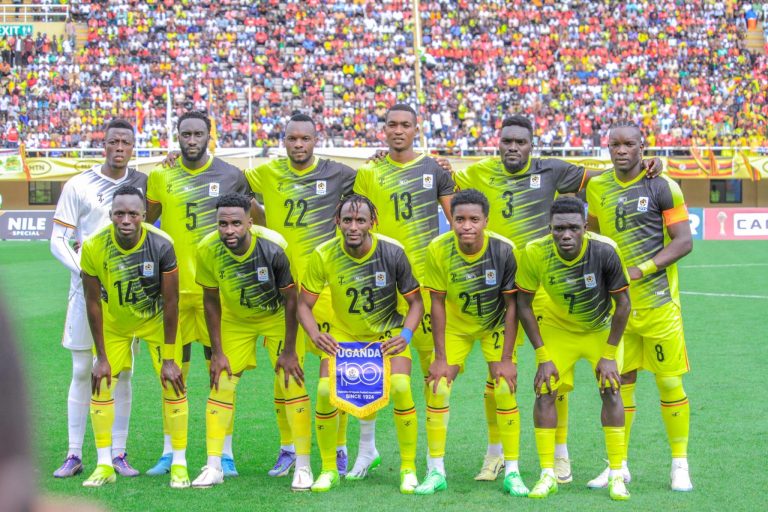
Uganda AFCON 2025 Preview. The Cranes’ flight to Morocco feels different this time. There’s a rock-solid confidence fueling the squad, built on their recent success in qualifying. They are absolutely ready to fight for a knockout spot again.
Uganda has faith in coach Paul Put’s tactical approach involving discipline, withstanding pressure and fast counter-attacks. Uganda’s veterans are back, even as young and talented players have emerged to give it a more balanced, connected locker room.
If Uganda can implement their very aggressive, very possession-light tactics effectively, then this version of the Africa Cup of Nations may be one that surprises many viewers.
Uganda arrive at AFCON 2025 feeling steadier than they have in years. The squad fought for every single point with sharp focus and discipline. Each positive result strengthened their belief that a better chapter was coming for the national team. Crucially, they climbed through their group with impressive consistency.
The huge victory over Kenya undeniably sparked this shift and fully shaped the qualifiers. Uganda scored a decisive, late goal in the heated derby. The players instantly felt that same profound shift inside the dressing room.
Consequently, since that night, the group started carrying themselves with significantly more certainty. The squad now walks into each crucial match expecting to compete fiercely.
Friendly matches helped to fine-tune the team’s structure and added valuable belief. The defensive block held firm even during extended phases of pressure. Things dramatically changed once young striker Mato Rogers found his devastating form and timing.
He scored in warm-up games. His reliable timing inside the penalty box lifted the entire frontline’s performance.
Veteran goalkeeper Denis Onyango’s return also added another crucial layer of calm and authority. His undeniable presence lifted the defenders. Every strong run in a tournament starts with a steady, reliable base, and Onyango gave the team exactly that security. The younger players enthusiastically responded to that important leadership.
Uganda now heads to Morocco knowing exactly what their identity is: they grind, they commit, and they stay fiercely competitive from start to finish. Fans deeply admire that focused approach because it ensures Uganda is never out of any contest they play.
Uganda walks into AFCON 2025 with measured optimism. They recognize Group C brings a brutally tough challenge alongside powerhouses Nigeria and Tunisia, plus familiar rivals Tanzania.
The emotional derby against Tanzania could easily set the definitive tone for the entire group stage run. Memories from their previous 2019 tournament run still actively motivate this generation of the group. Uganda successfully reached the Round of 16 that year by staying incredibly compact.
They consistently punished mistakes made by stronger, more favored opponents. This current squad absolutely respects that successful blueprint. The similarity in tactical approach gives them immense confidence heading into Morocco.
Paul Put officially took charge of Uganda with the clearest possible intentions, and his straightforward message immediately resonated across the entire squad. He asked the players to work with incredible intensity.
Players fully respected his clarity. Since joining the team in 2023, Put successfully made Uganda much harder to break down. This visible progress shone brightly in every AFCON qualifier they played.
Put’s experience managing national teams across the African continent greatly shapes his authority. In 2013, he took a Burkina Faso team, for whom nobody gave hope of anything, to an AFCON final. Put is adaptable in terms of tactics. He switches between a 4-4-2 and a more explosive, attacking 4-2-3-1.
Both foundational systems aim directly to protect the vulnerable central spaces. Uganda consistently stays tight, actively forces turnovers using high pressure, and sprints forward with clear purpose. Uganda, therefore, strategically targets that exposed space with rapid, direct counter-attacks.
Put also meticulously manages the necessary mix of youth and veteran experience. Bringing the legendary Denis Onyango back into the fold added huge presence, voice, and leadership.
Should Uganda exceed the low expectations for them in Morocco and move forward, Put will rightfully have all the acclaim he deserves.
That transcendent figure is the pride of Ugandan football: Phillip Omondi. That incredible journey carried Uganda all the way to the final match. He finished that high-stakes tournament as the deserving top scorer.
His lasting influence grew far beyond simple highlight reels and goals. The largest national stadium in Kampala proudly bears his name. Today’s crop of current players know these foundational stories exceptionally well.
Critically, his legacy does not weigh them down with expectation. Rather, it fuels their deep sense of responsibility and individual ambition. They hope to powerfully add their own pages to that enduring, inspiring history book.
Mato Rogers enters AFCON 2025 as Uganda’s clear standout attacking attraction. His impressive club numbers have already turned heads. Fifteen goals in seventeen games clearly deserved a national selection. His ice-cold calm finishing ability is often the topic of discussion among teammates.
He positions himself smartly in the box. Uganda often creates only limited scoring chances in their low block system. So they desperately need a striker to be absolutely brutal with even the smallest of half-chances. Rogers seems to live in those moments; they put less pressure on him, and he is able to come up.
He also offers incredible defensive value through his high-intensity, structured pressing. Uganda’s highly effective defensive shape depends entirely on unified, coordinated pressure applied from the front all the way to the back.
When Rogers energetically leads that crucial first press, the rest of the team aggressively steps in behind him to support the effort. Crucially, many opponents lack extensive recent footage. If he manages to score an important goal early, his individual momentum could rise quickly.
This Uganda squad has a smart mix of experience, strength, and tactical intelligence. The organized, rock-solid backline is the non-negotiable heart of their entire tactical identity. Bevis Mugabi anchors the entire defensive group with consistent leadership. He most often plays strategically beside either the reliable Timothy Awany or the experienced Elio Capradossi, forming a solid central partnership.
The two fullbacks inject much-needed mobility. Aziz Kayondo covers the entire left flank with tireless energy. On the right side, either Issa Kagimu or Jordan Obita adds crucial defensive awareness. Full-backs are extremely cautious in selecting their attacking runs. The central midfielder is an anchor for both the overall defense and transition of the team.
Khalid Aucho has a lot of space that he is able to cover at high speed with aggressive intensity. Bobosi Byaruhanga and Taddeo Lwanga effectively support Aucho in his work on the ball, using intelligent possession management.
Farouk Miya is the key creative player. He has the technical ability to pose a dangerous shooting threat from distance. Uganda also benefits greatly from the pace and threat of Allan Okello and Emmanuel Okwi on the wings. Okello often prefers drifting inside.
Meanwhile, Okwi stretches opponents vertically. Set pieces matter immensely for this specific squad. With several tall, imposing players like Mugabi and Rogers, Uganda poses a genuine, physical threat. In tight, evenly matched contests, these dead ball moments can single-handedly decide results.
Uganda primarily defends in a disciplined, medium defensive block. They fiercely win second balls in midfield, and then instantly attack the open space. Teams who undervalue this very practical, linear approach frequently find themselves in trouble.
Goalkeepers: Salim Omar Magoola (Richards Bay), Denis Onyango (Mamelodi Sundowns), Nafian Alionzi (Defense Forces), Charles Lukwago (KCCA FC).
Defenders: Toby Sibbick (Burton Albion), Elio Capradossi (Universitatea Cluj), Jordan Obita (Hibernian), Rogers Torach (Vipers SC), Aziz Kayondo (Slovan Liberec), Isaac Muleme (Viktoria Zizkov), Timothy Awany (FC Ashdod), David Owori (SC Villa), Hilary Mukundane (Vipers SC).
Midfielders: Kenneth Semakula (Al Adalah), Khalid Aucho (Singida Black Stars), Ronald Ssekiganda (APR FC), Bobosi Byaruhanga (Oakland Roots), Baba Alhassan (FCSB).
Forwards: Allan Okello (Vipers SC), Melvyn Lorenzen (Muangthong United), Travis Mutyaba (CS Sfaxien), Denis Omedi (APR FC), Rogers Mato (FK Vardar), Reagan Mpande (SC Villa), Jude Ssemugabi (Jamus FC), Uche Ikpeazu (St Johnstone), Steven Mukwala (Simba), James Bogere (Masaka Sunshine), Ivan Ahimbisibwe (KCCA FC), Shafik Nana Kwikiriza (KCCA).
Uganda’s long history at AFCON brings a powerful blend of national pride. Their first truly special era was the 1970s, hitting four straight qualifications. The best part? That incredible 1978 run that saw the Cranes fight their way right to the championship final against Ghana.
The remarkable individual performances of Phillip Omondi profoundly shaped the identity of that iconic era. Yet, immediately following this incredibly successful gold medal campaign, the country was then forced into an extended period of prolonged waiting for a chance at returning to the championship stage.
This qualified in 2017 caused another great surge of enthusiasm. Only two years after qualifying, the Round of 16 finish in the 2019 tournament provided further national confidence. The faithful fan base endured the missing of the next two tournaments.
Nevertheless, the return in 2025 now feels distinctly like another firm, positive step. A remarkable 1978 achievement still glows as bright as ever. Yet, this current squad is openly determined to create a brand new, powerful story.
AFCON 2025 officially begins for Uganda with intense self-belief, a decided tactical identity and well-bonded set of players. Their clear tactical identity built on discipline gives them a real chance. They know fully well that they will not dominate possession.
Critically, they also know they compete exceptionally well in tough matches. This prestigious tournament gives Uganda an excellent opportunity to show the entire continent exactly how far they have come.
If they defend with unwavering discipline, ruthlessly take the limited scoring chances, and follow the competitive rhythm set by key players like Mato Rogers, Uganda could very well deliver a genuinely memorable, giant-killing run. Uganda relishes this dangerous, low-pressure underdog position and as pragmatic fighters, it suits them perfectly.