
Home » World Cup 2026 Group F Preview: Netherlands, Japan, Sweden and Tunisia – Full Breakdown
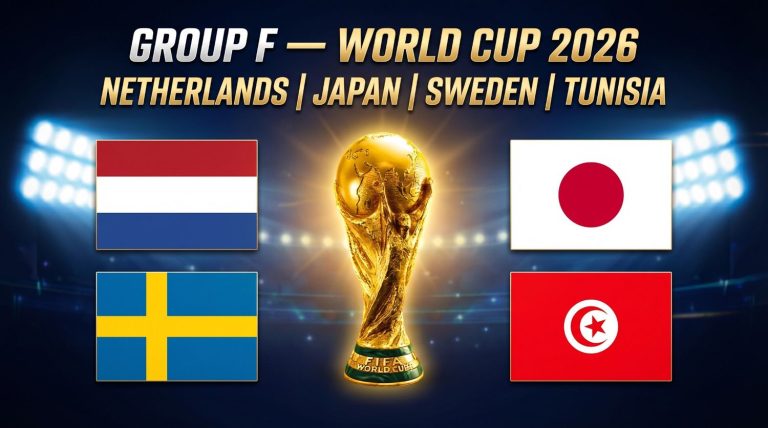
Four nations with proper World Cup pedigree all in the same group‚ it’s the kind of group World Cup organizers would dream about‚ and World Cup Group F 2026 delivers exactly that․ Both the Netherlands’ Total Football heritage and 2022 quarter-final run‚ Japan’s double victory over Germany in recent World Cups‚ Tunisia’s reputation as Africa’s most accomplished team after six World Cup appearances and Sweden’s Scandinavian efficiency from a long modern football history mean that no obvious pushover sits in this group‚ making it one of the most watchable of the entire tournament․
This group is a bit different, as there is no clear favorite to win it․ The Netherlands on paper has the strongest team‚ but their performance since the 2014 World Cup has seen them as an unpredictable team who can be beaten․ Japan has experienced many great occasions‚ with some shocking ones too‚ under countless different management styles․ Tunisia‚ despite six appearances, has never progressed through the group stage at a World Cup․ The golden generation of Sweden is undergoing reconstruction‚ which may either result in further success or decline․
The Netherlands and Japan are strong favorites to advance‚ but there’s a possibility that Tunisia or Sweden could take one of their spots․ The draw between Netherlands and Japan gives a little bit of value at around 4.00‚ whilst Japan qualifying at evens or better is the most obvious bet in this group.
Dutch football is stuck between the ideal of free-spirited collective creativity that came to represent the Cruyff inheritance‚ and the defensive discipline that has led to the country’s more recent success in tournaments․ Ronald Koeman has been better at walking this tightrope than his immediate predecessors‚ but the quarter-final defeat to Argentina on penalties at the 2022 World Cup demonstrated how thin is the line between Dutch ambition and Dutch reality․
The squad contains players with international experience‚ along with the small number of youths who have been trained by Eredivisie clubs before moving to clubs elsewhere in Europe․ Virgil van Dijk provides defensive leadership few countries can match․ His presence turns the Dutch defense from a weakness to a strength․ Frenkie de Jong is another controlling midfield presence when fit‚ although he has suffered recurrent injury issues in previous seasons․ Cody Gakpo and Memphis Depay are attacking options‚ while the younger players can provide creativity regardless of the combination․
Netherlands should top Group F through superior quality and tournament experience. Their path to nine points looks clear: Japan will be competitive but manageable, Tunisia lacks the attacking quality to trouble the Dutch defence consistently, and Sweden’s rebuilding squad cannot match Oranje depth. Yet Dutch history warns against assumptions. Their tournament record did offer enough to require a certain caution․
Beating Germany twice in successive World Cups now has to be considered a trend․ No longer merely respectful guests‚ Japan is no longer intimidated‚ and they will now believe they can win too․ They are tough opponents technically‚ tactically and collectively, which makes them a handful for any team expecting an easy win․
Several other players are among the European elite․ Takefusa Kubo‚ who started solidly at Real Sociedad‚ is said to be on par with Japan’s past European stars‚ and Wataru Endo’s move to Liverpool cemented his reputation as one of the world’s best midfielders․ While coaches have succeeded on the defensive side‚ there is evidence improvement in organization is system-based․
If Japan do not win their opener versus the Netherlands‚ Group F could look quite different‚ but even defeat means they could still pass the ball to the next game. Japan can get some points off the Dutch through tactical discipline and breaking‚ then qualify with Tunisia or Sweden․ They have a 60 or 65 percent chance of the knockout rounds in this scenario․ A sign of quality‚ not wishful thinking․
Tunisia have failed to win a single match and have never advanced beyond the group stage in their six World Cup appearances․ Despite drawing against more highly ranked teams in the past‚ including a goalless draw against Denmark and a draw against France‚ the team has found it difficult to earn results․
The squad is full of experienced players from Europe who know what is required at tournament level․ Youssef Msakni is the creator they lacked․ The defensive organization that frustrated France in 2022 remains‚ and Tunisia will not be outclassed by any of the Group F opponents․ Their drawing ability was enough to see them placed third in the competition․
In reality, Tunisians are the group outsiders, but they are still a team that could spring a surprise with points․ Tunisia would have to beat Sweden‚ draw with either the Netherlands or Japan‚ and hope their results elsewhere were enough to see them in the eight best third-placed teams․ So it is possible‚ but it seems unlikely‚ so 3.50 to 4.00 to qualify seems about right․
With Ibrahimović retired‚ Swedish football has lost a talisman that had defined the national team for two decades․ The current players do not have the same individual skill‚ but the team’s tactical organization and Scandinavian character still make them competitive․ Having qualified via the European playoffs‚ Sweden’s strength was that they could beat non-elite nations‚ but struggled against more serious opposition․
Alexander Isak remains Sweden’s strongest attacking threat. That Newcastle form confirms abilities that now carry national team responsibility. He leads the line with directness and finishing quality that previous Swedish squads simply did not possess. Viktor Gyokeres’ emergence at Sporting Lisbon adds a secondary attacking option that strengthens Swedish threat beyond Isak dependency. The supporting cast includes experienced internationals capable of tournament football, though the squad lacks the depth that other Group F nations possess.
Sweden’s realistic ambition is third place and potential knockout progression through the expanded format. Victory against Tunisia is close to essential. Points against Netherlands and Japan seem improbable without opponent underperformance. With a 30 to 35 percent chance of qualification‚ they remain outsiders needing results elsewhere‚ alongside a win‚ to progress․
All match times in Group F are in UTC+3‚ relevant to Uganda’s local time in June․ The schedule of the full Group F is as follows: 14 to 25 June 2026․
|
Date |
Match |
Venue |
Local |
UTC |
Uganda (EAT) |
|
Sun 14 Jun |
Netherlands vs Japan |
AT&T Stadium, Arlington, Texas |
4:00 PM CT |
21:00 |
00:00 Mon |
|
Sun 14 Jun |
Sweden vs Tunisia |
Estadio BBVA, Monterrey, Mexico |
10:00 PM CT |
03:00 Mon |
06:00 Mon |
|
Sat 20 Jun |
Netherlands vs Sweden |
NRG Stadium, Houston, Texas |
1:00 PM CT |
18:00 |
21:00 |
|
Sat 20 Jun |
Tunisia vs Japan |
Estadio BBVA, Monterrey, Mexico |
12:00 AM CT |
05:00 Sun |
08:00 Sun |
|
Thu 25 Jun |
Japan vs Sweden |
AT&T Stadium, Arlington, Texas |
7:00 PM CT |
00:00 Fri |
03:00 Fri |
|
Thu 25 Jun |
Tunisia vs Netherlands |
Arrowhead Stadium, Kansas City |
7:00 PM CT |
00:00 Fri |
03:00 Fri |
The matchday 3 games on 25 June are played simultaneously‚ which is a requirement from FIFA‚ to avoid any team knowing what result they need to qualify before the match is finished․ The double-header decides Group F qualification․
This is probably the game that will decide the group winner․ Both sides have the quality to win, and they know how important it is to win the first match․ In spite of the Dutch’s greater depth of squad and tournament experience‚ given Japan’s record for surprise results here‚ this is impossible to call․ For both sides‚ a draw would be a disappointment ‚ but a fair result.
Prediction: Netherlands 1-1 Japan
This creates straightforward qualification stakes: so the loser faces near-certain elimination while the winner maintains genuine hope. Both teams will attack with unusual intensity given their typical caution, creating an open game that produces goals.
Prediction: Sweden 1-2 Tunisia
Dutch quality should produce a comfortable victory. Also, Swedish limitations against elite opponents become apparent while Dutch attacking quality creates consistent threat. In defence‚ Van Dijk is able to neutralize Isak’s penetrating runs‚ while Gakpo’s pace is a nuisance for the Swedes․
Prediction: Netherlands 3-0 Sweden
This match becomes pivotal for both sides. Japanese superiority across the squad should prove decisive, yet Tunisian defensive organisation extends competitive margins. Japan’s patience eventually outlasts that of opponents․
Prediction: Tunisia 0-2 Japan
Japan should confirm qualification through victory against opponents with their backs against the wall. So Sweden need a win but lack the tools to take one against Japan’s structure. Before this one, Sweden’s exit may already be confirmed.
Prediction: Japan 2-0 Sweden
Netherlands dispatch Tunisia without excessive effort while the group is already decided. However‚ this fixture could determine the third-place standings at the event․
Prediction: Tunisia 0-2 Netherlands
The Netherlands to win Group F at 1.67 to 1.80 looks like a good bet‚ although Japan might be a better option at 3.50 to 4.00 to win it if their first match performance is repeated. Tunisia and Sweden at longer odds provide speculative opportunities that require multiple upsets.
Qualification markets reveal where the genuine value sits. Netherlands at around 1.25 to 1.33 offers minimal return for high probability. Japan to qualify at 1.80 to evens is the strongest conviction bet in this group. Their quality exceeds market pricing by a meaningful margin. Tunisia at 3.50 to 4.00 provides value for those backing African resilience. Sweden at 4.50 to 5.00 looks appropriately priced given their rebuilding limitations.
The Netherlands vs Japan opener deserves specific attention. A draw at around 3.40 to 4.00 looks like a decent bet given the respective qualities of both sides and the tendency for them to be very tactical in big matches. Under 2․5 goals offers similar odds and looks a decent bet too․
The favorite to be the Group F top scorer is Cody Gakpo at 4.50 to 5.00. His positioning and consistent Dutch opportunities justify that favouritism. Takefusa Kubo at 6.00 to 7.00 offers value if Japan progress through multiple scoring opportunities. Alexander Isak at similar odds represents Sweden’s best hope, and limited fixture opportunities do restrict his ceiling.
Card markets across Group F reward attention to referee tendencies and team temperaments. Dutch discipline typically produces clean performances. Tunisian and Swedish physical approaches generate bookings through challenges that officials interpret harshly. Japan’s tactical fouling to prevent counter-attacks accumulates cards throughout tournaments. These patterns inform under and over card totals across fixtures.
Netherlands and Japan will qualify from Group F. Their combination of quality and tournament experience proves sufficient against opponents who compete without quite matching their level. Tunisia will finish third with points that could secure knockout progression depending on other groups’ results. Sweden will exit at the group stage. Their rebuilding is incomplete, and their squad cannot compete consistently against superior opposition.
The tactical dynamics of this group favour possession-based approaches that Dutch and Japanese systems embody. Both teams can control games against opponents who prefer reactive football. Tunisia and Sweden struggle to implement their preferred defensive structures when possession is consistently denied. Understanding these patterns helps predict in-play momentum shifts that create betting opportunities throughout the group stage.
Weather and travel factors deserve consideration too. Los Angeles, Arlington, Houston, and Kansas City represent a spread of Central Time venues, requiring Eastern Hemisphere teams to adjust body clocks across multiple matches. Japan historically adapts to time zone changes better than European counterparts, and that could influence late-game performance when fatigue compounds physical demands.
With Group F in mind‚ the odds on Japan qualifying at evens or better‚ and the draw between the Netherlands and Japan at 4.00‚ offer value․ In this group‚ goals scored should be dictated by the defenses of the four teams and their tendency to play low-scoring affairs‚ not the attack․
Group F consists of Netherlands, Japan, Sweden, and Tunisia. The group runs from 14 to 25 June 2026, with matches across Arlington, Houston, Monterrey, and Kansas City.
The group opens on Sunday 14 June 2026 with two matches: Netherlands vs Japan at AT&T Stadium in Arlington, Texas (4:00 PM local / 21:00 UTC), and Sweden vs Tunisia at Estadio BBVA in Monterrey, Mexico (10:00 PM local / 03:00 UTC on 15 June).
Netherlands are the most likely group winners based on squad quality and tournament experience. Japan are the second most likely qualifiers. Tunisia and Sweden face longer odds but both carry the potential to take points from any opponent.
Japan beat the Netherlands 2-0 in the group stage of the 2002 FIFA World Cup, which they co-hosted with South Korea. The sides have met six times overall, and Japan have now won their last two meetings.
The top two teams from Group F qualify automatically for the Round of 32. The third-placed team may also advance if they are among the eight best third-place finishers across all 12 groups. Points, goal difference, goals scored, and FIFA ranking are used as tiebreakers in that order.