
Home » Ugandan Football Identity: The Namboole Renaissance
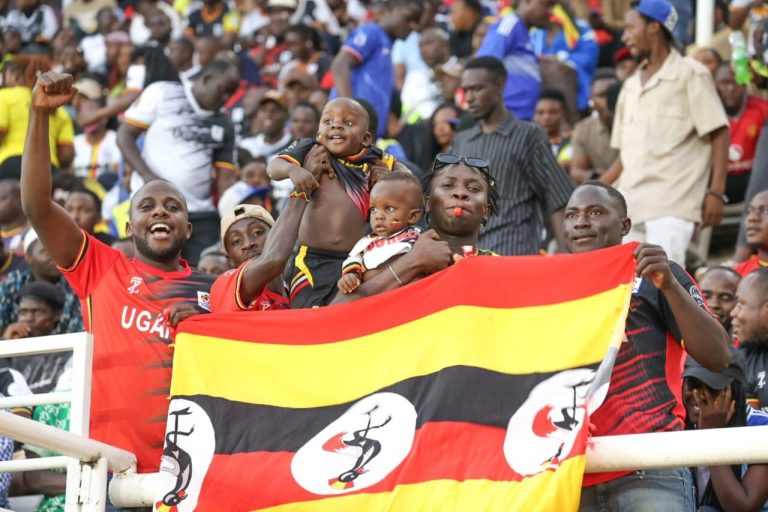
For a long time, the debate has raged over what constitutes Ugandan football identity. Is it the grittiness of survival at all costs? Or perhaps it’s the creativity and self-expression? The narrative of Ugandan football has been one based on talent that never had direction.
When the Uganda Cranes ran out under the shining lights of Namboole against Mozambique it transcended simply a 4 – 0 win. It was finding out what Ugandan football could and probably should look like. For the first time in ages, a team played in coherence, identity and with purpose. That night was more than a win. It was what felt like the resurgence of a national identity that had been buried beneath pragmatism
Ugandan football has long been tied to pragmatism. Under Milutin “Micho” Sredojević, the Cranes became known for resilience, not imagination. His style was functional: compact lines, defensive solidity, and hard running. It was football that squeezed results from tight games, but rarely inspired.
Ugandan fans appreciated the discipline but hungered for something more. They wanted to see a team that reflected the creativity and rhythm of the nation, not just survival instincts.
When Sébastien Desabre first arrived, there was some optimism the identity might shift. Uganda shocked DR Congo 2 – 0 at the 2019 Africa Cup of Nations, and for a flavour of the type of football the nation could epitomize: high-energy pressing, quick passes, and attacking exuberance.
That match sparked nothing, and ultimately extinguished. Desabre’s exit, meant Cranes stood still. The opportunity to build an offensive identity slipped away, replaced by managerial uncertainty.
The years after 2019 became a period of drift. Johnathan McKinstry experimented without stamping authority. Micho returned, doubling down on the pragmatism that had once delivered results but now felt outdated.
Ugandan football didn’t collapse, but it stood still. Matches lacked imagination. The Cranes survived, but they didn’t evolve. Fans who had seen what was possible under Desabre grew restless. By 2023, the conversation was no longer about results but about identity – or the lack of it.
Enter Paul Put. At first, his appointment seemed late. Uganda had wasted years searching for direction. But under the Namboole lights against Mozambique, his philosophy came alive.
The Cranes didn’t just win 4–0 – they dominated. Every part of the team moved in sync:
It was football with expression. For the first time in years, Uganda looked like a team with identity, not just a strategy.
At the back, Salim Jamal Magoola offered calm assurance. Unlike previous keepers who struggled under pressure, Magoola set up his back line and showed strength. Every save he made was a big one.
Elio Capradossi led the back line. He was a leader and saw what would come next. The other debut, John Obita, was very good. He was calm and played like a veteran. On the sides, Elvis Bwomono and Aziz Kayondo went from back to front. They showed that fullbacks could make new plays.
Khalid Aucho and Kenneth Semakula were the heart of the team. Aucho’s steel and Semakula’s composure gave the Cranes both grit and guile. They were the foundation upon which attacks were built.
Allan Okello had questions to answer after past disappointments. Against Mozambique, he scored to stifle the critics with a long-range goal, two assists and playmaking going deep. He played not as an individual, but as the maestro of a national orchestra.
Rodgers Mato stole headlines with two goals, but his tireless work off the ball mattered just as much. Jude Ssemugabi’s pressing and willingness to sacrifice for the team showed why identity is about more than star players.
Although he didn’t score, Mukwala’s aggressive pressing and link-up play set the pace of Uganda’s fast-paced approach. In Put’s system, effort mattered as much as finishing.
Football is never just about tactics. It reflects culture, pride, and rhythm. For Uganda, pragmatism felt like complacency. The Namboole performance exhibited something more genuine:
This is why identity is important. A victory goes away, but a style doesn’t.When fans see themselves in the way their team plays, belief grows stronger than results.
Uganda’s history is full of moments where identity flickered but didn’t take hold. The 2017 win over Egypt was historic, but reactive. The 2019 victory over DR Congo hinted at a new style, but it wasn’t sustained.
Paul Put’s task is to make sure Namboole isn’t another isolated miracle. The Cranes need continuity, not just flashes. With the right vision, Uganda could aim for more than AFCON qualification – it could dream of a World Cup stage.
To achieve that:
Ugandan football has wandered between pragmatism and promise for years. At Namboole, the Cranes finally showed what a true Ugandan football identity could look like.
Paul Put’s vision is late, but it is timely. He has given Uganda more than a result; he has given it belief. If Desabre lit the spark in 2019, Put fanned it into flame in 2025.
The Cranes didn’t just beat Mozambique. They announced that Ugandan football is ready to embrace its identity. For fans long starved of joy, the wait might finally be over.