Categories
Africa Cup of Nations Football

Sudan AFCON 2025 Team: Shock Qualifiers, Squad Analysis, and Tournament Predictions
Sudan AFCON 2025 Team: Shock Qualifiers, Squad Analysis, and Tournament Predictions

Sudan AFCON 2025 Inspection: Squad Growth and Targets

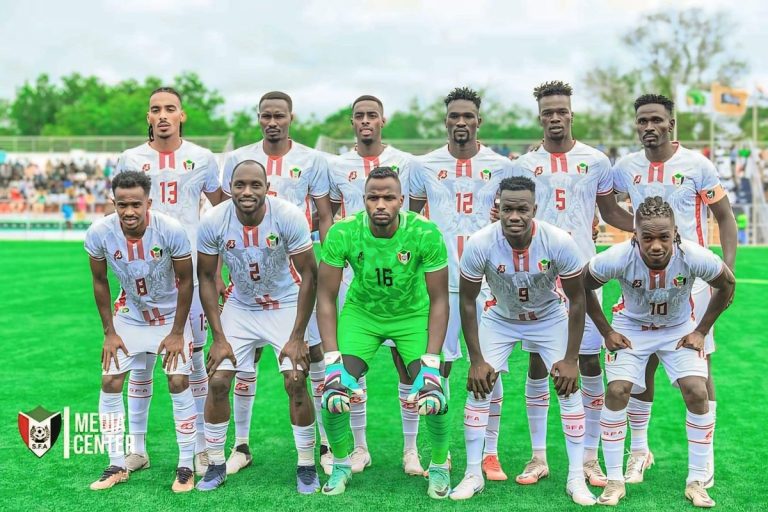
It is no doubt the most incredible story of Africa’s football of late for the Sudanese team in qualifying for the AFCON 2025. With the ongoing internal conflict, Nile Crocodiles were unable to host a home game, leading them to qualify after making most of their matches at a neutral venue.  

Sudan came second in Group F on 8 points and only just edged Ghana. That achievement alone absolutely reshaped how everyone sees Sudan’s national team. What happened during the AFCON qualifiers? Sudan showed determination and talent.

They claimed four from Ghana, including in a historic 2-0 victory that really shook the continent. This achievement ensured Sudan’s return to the African Cup of Nations (AFCON) as they had been absent from the previous AFCON.  

The big thing is they did a great job of defending. In all competitive games during 2024, Sudan lost only one game and made it very difficult on several strong opponents through an organized team shape.

Due‍‌‍‍‌‍‌‍‍‌ to travel problems, friendly games were limited, but they played a good number of competitive games and kept their focus and readiness at a high level. Definitely, Sudan is coming to AFCON 2025 with a confidence that is not based on throw-in-soil type things but is a result of actual, verifiable achievements. .

The Road Ahead: Sudan AFCON 2025 Predictions and Group Chances

Compared to other groups, this one will be easier for Sudan to get out of as it consists of Algeria, Burkina Faso, and Equatorial Guinea. The reality is that their best chance to get points will probably be when they face Equatorial Guinea.

That specific match could very well decide if they finish third and maybe, just maybe, qualify for the knockout stage. A win there would immediately pressure the group’s bigger names and completely shift the dynamic. Even securing a hard-fought draw could be super valuable, depending on other key AFCON results across the wider tournament.

It may be the only game to decide whether they finish third and, perhaps, even have a chance to go through to the knockout ‍‌‍‍‌‍‌‍‍‌stage. Coach Kwesi Appiah constantly stresses mental strength, reminding players that reputation doesn’t win games, period.

The Coach Guiding Sudan’s AFCON Matches and Strategy

Kwesi Appiah has genuinely transformed Sudan’s football fortunes in a surprisingly short time. Appointed late in 2023, the respected former Ghana captain took over a squad dealing with huge instability both on and off the pitch. Yet, results improved almost immediately under his calm, clear tactical vision.

Appiah is an extremely experienced coach at the international level. He was the one who coached (Ghana) at the 2014 World Cup, so he really knows about the pressure and stress of that football tournament management.

That deep background shows immediately in Sudan’s impressive composure during tight, nervy matches. As far as tactics, Appiah tends to incline towards defensively solid systems such as 4-4-2 and 4-2-3-1.

Raising Standards: Appiah’s Impact on Sudan’s Preparation

Off the pitch, Appiah single-handedly raised the entire organization’s professional standards. Training intensity, vital recovery routines, and general player discipline all got noticeably better under his demanding but fair tenure.

This minute attention to detail has significantly helped Sudan close the technical and physical gap on stronger African nations. You can see the confidence in his long-term vision; the Sudanese FA extended his contract until 2028.

Also, his experience working with big names and handling national expectations has been key. He knows exactly how to shield his current squad from external political pressures, letting the players focus solely on the upcoming AFCON matches.

The Icon Leading Sudan at AFCON 2025: Mohamed Abdelrahman

Mohamed Abdelrahman is Sudan’s most renowned person in the history of its football. The 32-year-old veteran, known by the nickname “Al Gharbal,” remains Sudan’s primary offensive asset.

Abdelrahman is better than a lot of his team-mates technically as he lets the ball do the work, he is excellent in the air and has intelligent interchanges with other players.

The Role of an Experienced Forward in AFCON Matches

At Sudan AFCON 2025, the team will rely exceptionally heavily on Abdelrahman’s efficiency. Chances might be limited against top defenses, meaning composure inside the box becomes absolutely vital. If Sudan manages to cause an upset or two, you can bet his fingerprints will be all over the decisive moments.

One to Watch in AFCON Matches: Musa Hussein’s Potential

Musa Hussein, just 18 years old, represents Sudan’s dynamic future and growing national ambition. Operating mostly from wide attacking areas, he attacks space aggressively and finishes chances with impressive composure that truly belies his tender years. While his surprising nickname “Kanté” is funny, his playing style is pure, electrifying attacking intent.

The Impact of Young Talent on AFCON Predictions

Seasoned veterans will handle the defense, sure, but Hussein offers something invaluable: genuine unpredictability. A single decisive run, a moment of brilliance, or a critical assist could easily swing momentum dramatically in Sudan’s favor during a tight encounter. Consequently, for neutrals closely following the various AFCON matches, he immediately stands out as a strong candidate for a breakout tournament performance.

Sudan AFCON 2025 Guide: Current Squad & Tactics Breakdown

Sudan’s squad is still heavily domestic-based, primarily anchored by talented players drawn from powerhouse clubs Al Hilal and Al Merrikh. That intense local familiarity helps a lot with team cohesion and deep tactical understanding. Crucially, under Kwesi Appiah, player roles are clearly defined and almost never abandoned during competitive matches, promoting total stability.

Midfield structure centers entirely on protection and disciplined play. Holding midfielders focus ruthlessly on intercepting play and shielding the defense. Box-to-box options, like the energetic Abdelrazig Omer, add vital running without sacrificing the team’s shape. This unit is the absolute engine room for the Sudan AFCON 2025 effort.

Sudan AFCON 2025 Guide: Strategic Setup for AFCON Matches

In attack, Sudan overwhelmingly favors swift counter-attacks and dangerous set pieces. The iconic Abdelrahman leads the line, supported by fast runners who use the space created. Corners and direct free kicks are often the best opportunities to score, particularly as Sudan is a known aerial dominant side.

Sudan squad for AFCON 2025

Goalkeepers: Ali Abu Eshrein, Mohamed Elnour, Monged Elneel.

Defenders: Mohamed Saeed, Altayeb Abdelrazig, Mustafa Abdelgadir, Yasser Awad, Bakhit Khamis, Mazin Mohamedein, Awad Zaid, Ahmed Abdelmonem, Mohamed Kesra.

Midfielders: Abuaagla Abdalla, Walieldin Khidr, Abdelrazig Omer, Ammar Tayfour, Salaheldin Adil, Musa Hussain, Sheddy Ezeldin, Amar Yunis.

Forwards: Yasser Mozamil, Mohamed Abdelrhman, John Otenyal, Mohamed Eisa, Elgozoli Hussain, Abobaker Eisa, Mohamed Teya.

AFCON Historical Performance and the Legacy of Sudan AFCON 2025

Sudan’s long AFCON history is full of deep, fascinating contrasts. They were among the first African Football Federation’s trailblazers competing at the very first tournament held in 1957. The group was soon achieving success as they took runner up position in 1959 and had the distinction of winning the first ever Championship, on home soil, in 1970.

That historic 1970 victory is still the pinnacle of Sudanese footballing success today. A team of legends led it into the record books for African football history. Unfortunately however, Sudan suffered through a major decline as it did not compete at several subsequent tournaments for the remainder of the thirty years following.

Final Takeaway on Sudan AFCON 2025

Sudan’s ability to advance through a difficult round of AFCON Qualifiers clearly indicates that they can compete at this level. The discipline, faith and perseverance are the three key components of the teams’ game plan.

In addition, while moving on from Group E will be difficult, Sudan has already demonstrated that a teams’ history or reputation means nothing once the game begins. This team is here to fight, and we’re here for it!

Categories
Africa Cup of Nations Football

The Desert Foxes Rise: Algeria’s Tactical Blueprint and AFCON 2025 Title Challenge

The Desert Foxes Rise: Algeria’s Tactical Blueprint and AFCON 2025 Title Challenge

Algeria AFCON 2025 Preview: Tactical Blueprint Revealed

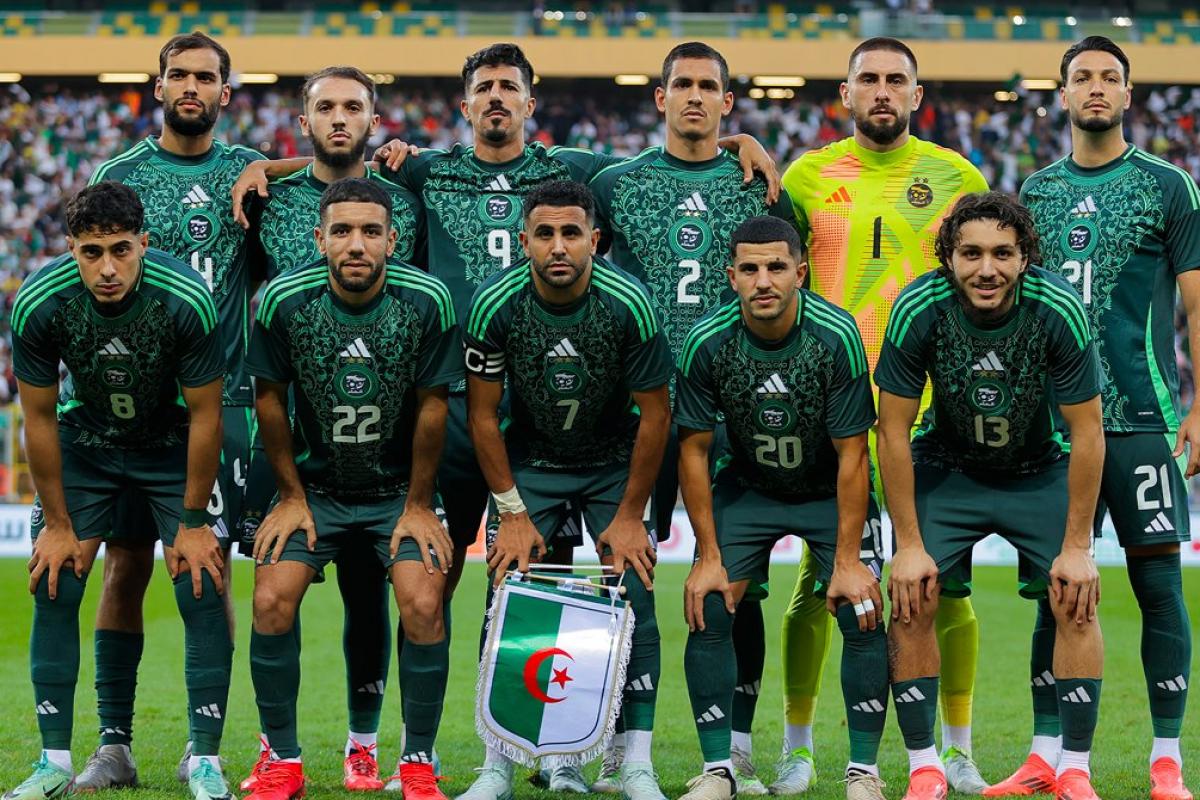
This year’s Algeria AFCON 2025 preparation are different. After years of disappointments and early departures, The Desert Foxes enter with momentum and renewed confidence. This feeling is a sense that spreads through the entire camp.

The disappointments of recent tournaments may still be felt by the players but they no longer create doubts, they fuel their hunger to succeed.

Recent Form & Results: Crucial Lessons from AFCON Qualifiers

After having their confidence built by performing consistently rather than making big promises; Algeria is going to the AFCON 2025 with that same sense of confidence. They controlled Group E in the AFCON qualification rounds. They won all of the games they played, but for one. They also outscored the rest of the field by 16-2.  

That outstanding defensive record demonstrates a more focused unit on the field as well as the players have shown much greater team discipline. Consequently, performances also showed patience and control that had been noticeably missing in previous campaigns. Still, the context of those impressive qualifiers matters significantly.

However, they were forced to reflect immediately after two major tournaments resulted in them failing to advance beyond the group stage in both, and losing each of their six matches.  Additionally, the losses suffered by Algeria to Equatorial Guinea and Mauritania exposed not only genuine complacency, but also serious lack of creativity (and overall tactical stagnation) among the players and coaching staff.

Since those humbling events, the team’s response has been remarkably deliberate and extremely focused on correction. Therefore, under new leadership, old habits changed immediately instead of being ignored, allowing a genuine rebuild to begin.

Prospects: Breaking Down the AFCON Predictions

Being‍‌‍‍‌‍‌‍‍‌ one of the strongest teams and having a lot of attention directed towards them, Algeria starts the 2025 African Cup of Nations journey as the most likely candidates to be among the first four. Experts and betting companies rank them at the top of their AFCON forecasts, and the support for this argument appears to be very reliable and ‍‌‍‍‌‍‌‍‍‌reasonable.

Squad depth, invaluable tournament experience, and recent sensational form all point in exactly the same direction for the Desert Foxes. Even so, the memory of recent failures keeps expectations healthily grounded and focused on the first match.

Coach Vladimir Petković has openly addressed that crucial balance between expectation and humility in press conferences. He accepts Algeria’s status as potential favorites while constantly stressing the importance of humility and laser-sharp focus in every training session. His clear message stays remarkably consistent: respect every single opponent and control matches through superior structure and discipline.

No success short of getting through to the Quarter Finals is too small of a goal for this incredibly gifted group of young players from Algeria. It has a very talented roster therefore there’s no doubt that Algeria is one to keep an eye on in the next round.

The Coach: Petković’s Leadership Driving the Reset

Vladimir‍‌‍‍‌‍‌‍‍‌ Petković is basically the major drivign force behind Algeria’s brilliant comeback and fresh resurgance of success. After the departure of Djamel Belmadi, he was brought in at the beginning of 2024 and thus got the power to manage a high-quality but quite dispirited team with hardly any confidence. That focused and pragmatic approach paid off remarkably quickly in terms of results and performances.

Petković brings vast international experience without any unnecessary drama or ego to the job. For example, his time coaching Switzerland included deep tournament runs and consistently calm handling of high-pressure moments on the global stage. With Algeria, he instantly added structure and shape while consciously preserving attacking freedom for the creative players.

He‍‌‍‍‌‍‌‍‍‌ smartly changes the 4-3-3 formation with the 4-2-3-1 one that is more flexible from the tactical point of view. What is more, these two are also the formations that are used by teams with a tight midfield line and a very well-organized pressing that is done in the upper part of the ‍‌‍‍‌‍‌‍‍‌field.

Algeria now presses much smarter rather than simply harder, which saves energy. That calculated tactical adjustment alone significantly reduced defensive exposure across all the recent competitive AFCON fixtures and friendlies.

Man-management also plays an absolutely central role in Petković’s successful philosophy and approach. He actively encourages the senior players to lead without ever overshadowing or marginalizing the younger, emerging teammates.

He speaks consistently about the values of unity and courage, linking elite talent with necessary responsibility in every player’s role. Since his much-needed arrival, Algeria appears noticeably calmer and more composed during difficult phases of play. Ultimately, that rediscovered emotional control could define their entire AFCON 2025 journey and surprise many AFCON predictions.

Riyad Mahrez: Shaping Key AFCON Matches

Riyad‍‌‍‍‌‍‌‍‍‌ Mahrez is still very much the one and only person that can be rightly considered the representative of Algerian football and the creative source of the team. Aged 34, he doesn’t seem to depend anymore that much on a flash of superfast pace to outplay a player, however, his global impact has grown rather than ‍‌‍‍‌‍‌‍‍‌lessened.

Mahrez captains this current side through the sheer authority earned from a lifetime of experience and colossal achievement at the very highest club level. Furthermore, his powerful legacy from the famous 2019 AFCON triumph still strongly shapes the country’s collective expectations for the current team.

In those tight, tense AFCON matches where fine moments often decide outcomes, Algeria collectively trusts Mahrez implicitly to create those magical moments. Whether through a perfectly weighted decisive pass, a clinical free-kick, or calm, composed decision-making under extreme pressure, he still shapes games decisively.

Every genuinely successful tournament side absolutely needs a transformative figure like Riyad Mahrez to guide them. Thankfully, Algeria definitively has theirs, and he is ready to lead.

One to Watch: Emerging Talent Changing AFCON Predictions

Ibrahim Maza represents Algeria’s promising future arriving slightly ahead of the predicted schedule; this is a thrilling prospect. Just‍‌‍‍‌‍‌‍‍‌ 18 years of age, the Hertha BSC winger is already one of the most talked and watched players across Europe with his bold and lively performances.

For sure, his real speed, one to the goal manner of the attack, and his off-the-ball confidence literally bring a new and very different angle to the game of Algeria from the attacking ‍‌‍‍‌‍‌‍‍‌side. Most coaches highly value unpredictability during long, arduous tournaments, and Maza offers this.

Maza operates across the entire front line with noticeable ease and natural flair for the spectacular. He possesses the ability to effectively stretch play from wide areas or skillfully drift inside to operate as a secondary striker or a genuine number 10.

Current Squad & Tactics: Depth, Balance, and Achieving AFCON Results

Algeria’s‍‌‍‍‌‍‌‍‍‌ AFCON 2025 team is a perfect mix of required experience and essential young energy in every department of the team The wonderful combination gives Algeria the option of playing it safe by dropping back and guarding their lead or going on the offensive and pushing their opponents further up the field when they want to have the ball. The awareness of the game at the right positions is still one of the main collective strengths of the ‍‌‍‍‌‍‌‍‍‌team.

This sheer variety and tactical depth keeps opponents constantly guessing about where the threat will originate. Furthermore, Algeria no longer depends solely on one singular attacking approach or a single player. Instead, they cleverly adjust their rhythm and structure based intelligently on the current game state and the scoreline, which is a key tactical advantage.

Algeria squad for AFCON 2025

Goalkeepers: Oussama Benbot (USM Alger), Luca Zidane (Granada), Anthony Mandrea (Caen).

Defenders: Rafik Belghali (Hellas Verona), Rayan Ait-Nouri (Mancester City), Youcef Atal (Al-Sadd), Mehdi Dorval (Bari), Jaouen Hadjam (Young Boys), Zineddine Belaid (JS Kabylie), Ramy Bensebaini (Borussia Dortmund, Samir Chergui (Paris FC), Aissa Mandi (Lille), Mohamed Amine Tougai (Esperance).

Midfielders: Ismael Bennacer (Dinamo Zagreb), Ramiz Zerrouki (FC Twente), Adem Zorgane (Union Saint-Gilloise), Hicham Boudaoui (Nice), Houssem Aouar (Al-Ittihad), Fares Chaibi (Eintracht Frankfurt), Ibrahim Maza (Bayer Leverkusen).

Forwards: Mohamed Amoura (Wolfsburg), Ilan Kebbal (Paris FC), Riyad Mahrez (Al-Ahli), Anis Hadj Moussa (Feyenoord), Adil Boulbina (Al-Duhail), Monsef Bakrar (Dinamo Zagreb), Baghdad Bounedjah (Al-Shamal), Redouane Berkane (Al-Wakrah).

AFCON Historical Performance: Lessons Learned for Positive AFCON Results

The Algerian fans have experienced a special mix of pride as a nation and great frustration throughout Algeria’s history at AFCON. Champions in 1990 and then, historically, a second time in 2019, it has an extraordinary handle on the components of success at the highest level of a competition.

The AFCON 2025 Algeria will be a good chance for the Desert Foxes to make their 21st appearance at AFCON, which is a phenomenal record. That perennial great longevity and faith that has come to characterize the footballing kind of nation shares in the history of African football.

Experience undeniably matters in intense tournaments that are often shaped by internal pressure, challenging conditions, and those frustratingly fine margins. Therefore, lessons learned painstakingly from past failures now directly guide the squad’s current preparation and mindset.

The Road Ahead: What Success Looks Like

Although‍‌‍‍‌‍‌‍‍‌ a big part of the excitement about Algeria at the 2025 AFCON has been focused on the brilliance of individual players, the team will actually have to be structurally and emotionally strong if they want to see the knockout stages or probably even the final of the ‍‌‍‍‌‍‌‍‍‌tournament.

This year, Algeria brings an abundance of quality in terms of team performance, demonstrated leadership and clear tactical direction to the competition which makes them a dangerous rival.   If they can keep their focus, rotate smartly with the impressive squad and believe in a winning new set-up, there’s no reason why Algeria cannot realistically go far in the knockout stages.

So, a proper title challenge is absolutely within reach rather than something to wish for the fans.  At the very least, that can offer a chance for this much hyped tournament to finally regenerate both national pride and the honor of the shirt.

Categories
Africa Cup of Nations Football

Benin AFCON 2025 Guide: Can The Squirrel Reach the Knockouts?

Benin AFCON 2025 Guide: Can The Squirrel Reach the Knockouts?

Benin AFCON 2025 Report: Tactical Identity Explored

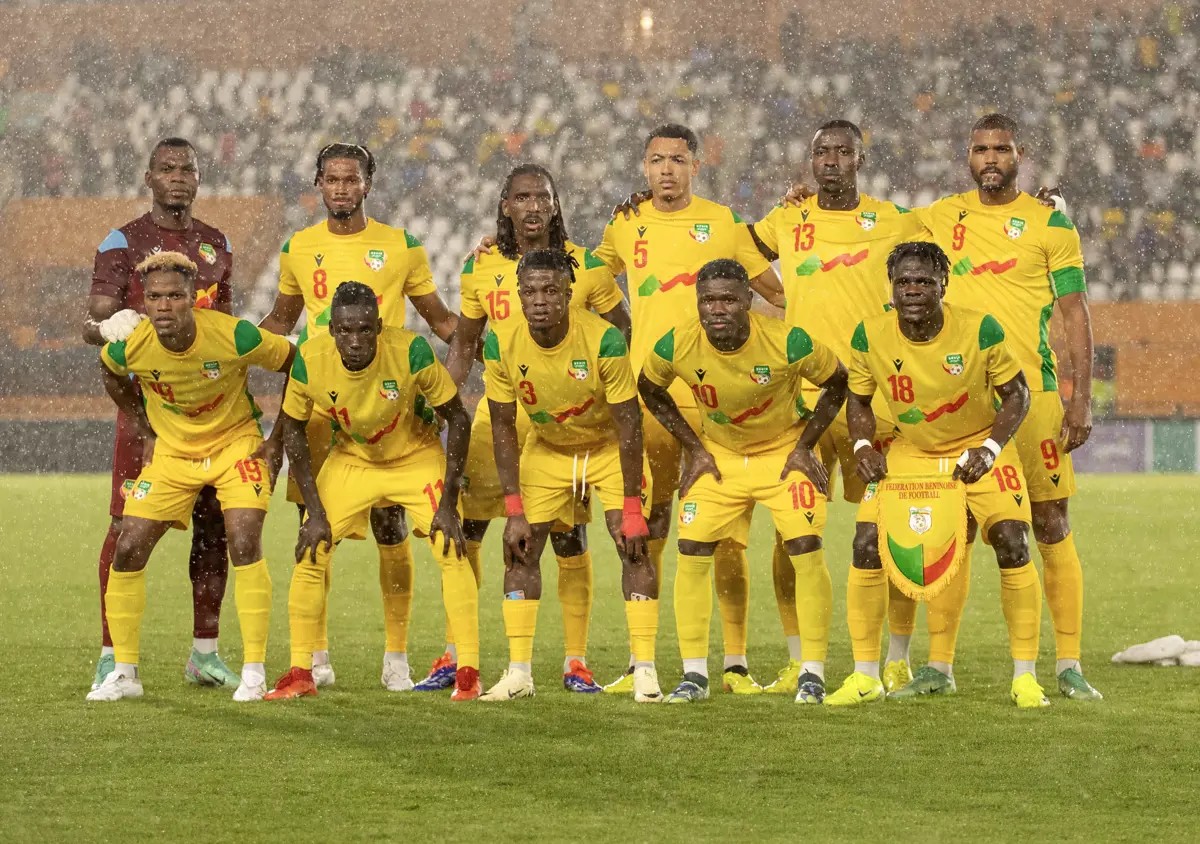
The Cheetahs (Benin) are entering the TotalEnergies CAF Africa Cup of Nations 2025, with low expectations from outsiders but high hopes from the team that they can play tactically to survive.

After a four-year absence in the previous two tournaments, there is no question what the Benin’s goal is – move out of the group round and get back to where it was when they made history by advancing into the quarter-finals in 2019.

Benin’s chances will depend on three things: their solid defensive unit, the clinical finishing from key veteran players and the explosive creativity of some of their younger talented players.

AFCON Qualifiers & Results Insight

Benin’s way into the intense 2025 AFCON competition was an entire journey of toughness and determination as the Cheetahs were tied on points in a heated Group L of the AFCON qualifier matches with Rwanda.

This is what ultimately determined Benin would move into the AFCON finals; as their head-to-head record over Rwanda in those two groups was better than that of Rwanda. It clearly showed how the team could win games at exactly the right time.

The Margin of Qualification

Benin’s hard-won 0–0 away tie with Libya was an important match in that it secured their second place finish behind the powerful Nigerian team, and therefore qualified them to the final tournament.

Across their six qualifying matches for the African Cup of Nations (AFCON) Benin won a total of two of those very closely contested games, drew two very closely contested games and lost two of the closely contested games.

In fact, seven goals across the entire campaign show the fine margins they consistently operated within.

Low-Scoring Trends Continue

The low-scoring trend did not change when Benin moved from competitive AFCON results to friendly matches during the preparation phase. Similarly, the same defensive patterns that occurred earlier, as a result of the same key fixtures, also recurred.

As such, from there on absolute every game played was either a 0–0 draw or defeat/victory by only one goal (e.g., 1–0 loss to Algeria). In the end, what is going to be key assessing Benin’s level in this frame of time will be how they react under pressure when playing big games.

Benin AFCON 2025 Matches Predictions

Benin’s current AFCON predictions place them firmly among the tournament’s expected underdogs this year. They have been drawn into a genuinely demanding Group D that includes giants like Senegal and DR Congo, alongside a challenging Botswana side.

Therefore, external expectations remain unsurprisingly low ahead of the tournament start.

The Push for the Knockout Stage

Internally, though, belief continues to grow within the tightly-knit squad. The memory of the 2019 quarterfinal run still resonates deeply in the heart of the team; it is possible with an increased tournament format that a 3rd place finish will still allow for entry into the very coveted knockout stage.

Specifically, that successful campaign absolutely proved that Benin can effectively frustrate and neutralize elite sides.

Beating the Odds in the Benin AFCON 2025 Matches

Realistically, finishing above both Senegal and a strong DR Congo side would absolutely require near-perfect execution across all three group Benin AFCON 2025 matches. However, the Africa Cup of Nations rarely follows logic or pre-tournament reputation.

The Round of 16 is a point that can be said to at least satisfying most teams’ expectations in this year’s tourney, as upsets are always normal and very interesting features in the AFCON.

Gernot Rohr’s AFCON Qualifiers Philosophy

Coach Gernot Rohr will be a key component of Benin’s drive to the AFCON 2025. The well-experienced German coach was appointed in 2023 with lots of clarity and structural identity.

Crucially, his extensive and successful history coaching teams across various African nations gives him immediate credibility inside the changing room.

Building Defensive Structure

Coach Rohr has prior experience managing Gabon (he led Gabon to the 2012 AFCON quarterfinals) and most importantly, he is an ex- Nigeria head coach (they came third at the 2019 AFCON). Right now, Coach Rohr would prefer to build it based on pragmatism, organization and tactical discipline opposed to creativity- attack.

Since his important arrival, Benin have become noticeably more difficult to break down, which was the first major objective. Just as importantly, every player fully bought into the concept of collective defensive responsibility.

Tactical Pragmatism and Leadership

Rohr consistently prioritises important values, like unity and patience, within the ranks. Yet, they remain the primary assets that win crucial points and secure knockout spots at the AFCON.

That steady, unflappable leadership is unquestionably one of Benin’s biggest assets as they approach the crucial AFCON matches.

Mounié: Focal Point for Benin AFCON 2025

Steve Mounié is still the key figure of Benin’s hopes for AFCON 2025. The towering striker delivers crucial experience and a physical identity that absolutely shapes their entire tactical approach on the field. His unique profile is the reason Gernot Rohr builds the attack around hold-up play and aerial threats.

High-Leverage Goal Scoring

He skilfully brings supporting players into the flow of the attack through powerful hold-up work. Mounié’s influential leadership matters just as much as his physical presence.  Consequently, if Benin manages to exceed the low expectations set by external observers, Mounié’s experience will have peaked at the perfect moment to guide the team forward.

Junior Olaitan: The One to Watch

Benin’s most exciting wild card is Junior Olaitan entering AFCON 2025 at age 23 when he already has the burden of creating for Benin with a lot of risk-taking in what is an extremely defensive-minded team.

He’s got technical qualities to offer, and that is needed in this team, which is very much organised defensively.

Current Squad & Tactics

Benin’s AFCON 2025 tactical identity revolves fundamentally around structure, unwavering patience, and highly controlled aggression. Under Coach Rohr, the team rarely, if ever, loses its fundamental shape. Defensive organization, therefore, remains the absolute foundation of everything the Cheetahs attempt to execute on the field.

The Defensive Backbone

At the very back of the formation, Olivier Verdon anchors the defense with impressive authority and calmness. Significantly, alongside him, Benin consistently favors defenders who prioritize positioning and interception over any adventurous forward runs. In goal, the experienced Saturnin Allagbé offers composure and absolute reliability under the crossbar.

Midfield Balance and Attack

Midfield selection for Benin focuses squarely on balance and work rate rather than focusing purely on creative passing. They efficiently recycle possession back to the wing-backs. This delicate balance remains entirely essential for the entire team’s functionality and structure.

Out wide, Benin relies heavily on raw pace, directness, and outstanding work rate from its flank players. Set pieces also represent a major, highly effective weapon for Benin, often being the only reliable way to score.

That necessary tactical flexibility could prove decisive in securing the positive AFCON results required for progression.

Benin squad for AFCON 2025

Goalkeepers: Marcel Dandjinou (Kruger United), Saturnin Allagbe (FC Chauray), Serge Obassa (Remo Stars).

Defenders: Attidjikou Samadou (Smouha), Charlemagne Azongnitode (AC Oulo), Rodrigue Fassinou (Coton Sport), David Kiki (FCSB), Abdoul Rachid Moumini (Sumgayit), Tamimou Ouorou (Unattached), Yohan Roche (Petrolul Ploiesti), Mohamed Tijani (Yverson Dport), Olivier Verdon (Ludogorets Razgrad).

Midfielders: Matteo Ahlinvi (Arsenal Tula), Mariano Ahouangbo (NK Olimpija), Gislain Ahoudo (AS Gabes), Sessi D’Almeida (Neftchi), Dodo Dokou (Leixoes), Hassane Imourane (Grasshoppers), Rodrigue Kossi (Hassania).

Forwards: Adam Akimey (Helsingborgs), Rodolfo Aloko (NK Kustosija), Romaric Amoussou (ASEC Mimosas), Jodel Dossou (Pays du Valois), Steve Mounie (Alanyaspor), Junior Olaitan (Goztepe), Razack Rachidou (NK Kustosija), Olatoundji Tessilimi (SJK Seinajoki), Aiyegun Tosin (Lorient).

AFCON Historical Performance

The overarching AFCON history of Benin is a story more related to persistence and consistent work rather than experiencing a long, unbroken run of wins on the African continent. Before sailing through the qualifications in 2019, Benin had never experienced going beyond the usually tough group stages at the AFCON. That’s why the present qualification to play in the AFCON 2025 is more than remarkable.

The 2019 Moment

For Benin, it is a different story since 2019, when they participated in the AFCON Tournament. Benin were able to obtain draws from each of the first-round group stage matches they played against difficult opponents.

Benin’s Round of 16 performance was even more astonishing when they achieved an historic upset that stunned the favorite Morocco. This success fundamentally altered how people perceive Benin as a football nation.

The Challenge of Progression

The acceleration which followed has been really hard to maintain. Benin somehow missed out on all of both the 2021 and 2023 AFCON. It was a triumphant return for Benin to the AFCON tournament in 2025, and you can see it as the coming together of when Coach Rohr set up with everything falling into place.

Interestingly, Benin holds a unique and telling statistic: they have never actually won an AFCON knockout match inside the regulation ninety minutes of play.

The Road Ahead: Benin’s Path to the Knockouts

Benin’s AFCON 2025 prospects may not excite the bookmakers or the casual observer. The Cheetahs arrive at the tournament with impressive clarity, strong unity, and a proven system built perfectly for survival. Defensive solidity remains their enduring calling card and the bedrock of their entire tactical approach.

Attacking limitations still certainly exist within the squad. Yet there is more belief, and even faith and optimism, among the current group of players than there had been in the past.

And with their strong showing in the group phase, and with a place in the Round of 16 locked down, the good vibes that derived from reaching the round could propel Benin to greater heights at later stages of the 2025 competition.

Categories
Africa Cup of Nations Football

Botswana AFCON 2025 Preview: Can the Zebras Defy the Odds?

Botswana AFCON 2025 Preview: Can the Zebras Defy the Odds?

Botswana AFCON 2025 Snapshot: Outsiders’ Chances Rated

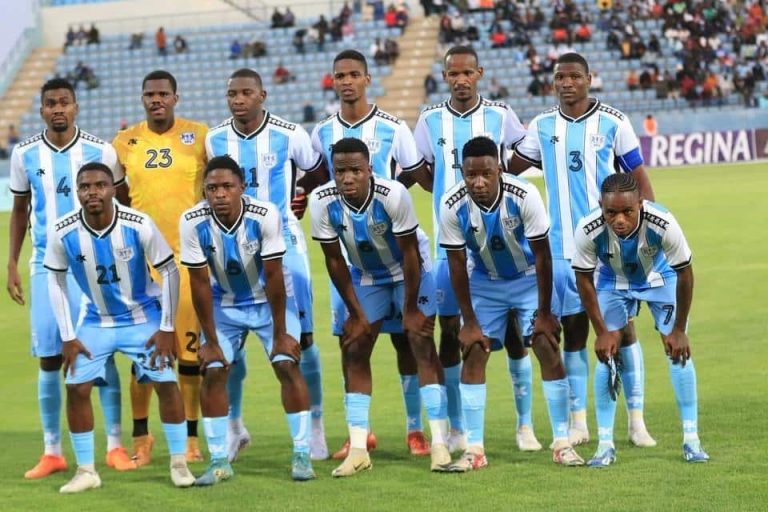
Botswana AFCON 2025 guide will start from qualifiers and would largely be about discipline and patience. The “Zebras” collected 8 very tough points from their 6 Africa Cup of Nations qualification matches to end second in their qualifying group.

Discipline in defending and the organization of the defensive unit helped the Zebras complete the qualifying round. The footballing world took note when Botswana secured a vital 1–1 draw away to tournament favorites, Egypt.

That historic result dramatically secured their highly anticipated qualification and proved Botswana could survive sustained, top-tier pressure. Botswana collected steady, professional results against similar continental opposition. A narrow home win over Cape Verde and a crucial away draw against Mauritania kept momentum alive.

Each performance strictly followed a familiar pattern of compact, low-block defending and careful risk management. Two additional 0-0 results in AFCON Qualifiers vs. Rwanda and Burundi have exposed similar attacking limitations for the team.

Botswana’s AFCON Qualifiers campaign has seen them concede a staggering 7 total goals; an impressive defensive record. Botswana appear perfectly comfortable without possessing the ball. Their confidence comes purely from structure, stability, and mutual trust.

Prospects and AFCON Predictions for Botswana

A realistic and modest Botswana go to AFCON 2025 as underdogs. The AFCON 2025 is only the second time that Botswana has qualified for the finals.

Group D immediately presents a severe, demanding test for The Zebras in the opening stages. Senegal brings elite quality; DR Congo adds significant depth, while Benin offers tactical complexity.

Botswana logically sits near the bottom of all expert AFCON predictions. Any points secured in the group stage would be absolutely historic. Even a single draw this time around would immediately signal huge progress.

Opponents may incorrectly expect an easy match, which often breeds impatience. Botswana consistently thrive when the tempo of games slows down. The fixture against Benin likely offers the clearest opportunity for points and is considered the must-win tie. Progression to the knockout rounds remains highly unlikely, yet competitiveness feels absolutely achievable against all opponents.

Botswana will precisely measure success through team discipline and earning respect from their rivals. AFCON results historically deliver major upsets and surprises.

Botswana AFCON 2025 Guide: The Coach and his Guiding Philosophy

Morena Ramoreboli is at the very center of Botswana’s uplifting AFCON 2025 story. The coach was appointed to guide Botswana through the most important qualifying matches in the interim capacity.

The career-defining draw secured in Egypt permanently defined his early tenure.  Soon after that crucial achievement, he deservedly earned the permanent head coach role. At just 43 years old, Ramoreboli impressively blends youthful energy with deep, specialized regional experience.

Ramoreboli has extensive experience with Jwaneng Galaxy which gives him a deep understanding of the entire pool of available talent in Botswana.  Ramoreboli deeply understands the squad’s inherent limits and consistently avoids unnecessary tactical risks.

Additionally, the coach emphasizes the psychological strength and resilience of his players when they face intense pressure. Additionally, he also places a huge amount of emphasis on fitness and focus (mental) preparation of each and every one of his players.

The Icon and Leader on the Pitch

Thatayaone Ditlhokwe represents the essential spirit and identity of Botswana’s national team. As a highly visible and key center back, Ditlhokwe is a mainstay in the defense of his team and as a top player in the league, his move to the storied South Africa side, Kaizer Chiefs has dramatically increased his international status.

Participation in top level play helped to quicken Ditlhokwe’s processing of the game and increase his speed of decision making in critical moments. In addition to being a consistent presence in all matches through the difficult AFCON Qualifying process, Ditlhokwe was a model of endurance and leadership for his teammates. The defining away draw against Egypt showcased his invaluable leadership skills best under maximum pressure.

More importantly than his defensive work, he consistently sets the highest emotional standards for the squad. Younger players visibly draw huge confidence from his steady, veteran presence.

One to Watch for AFCON Matches

The majority of Botswana’s attacking hope for the finals will be placed on Tumisang “Teenage” Orebonye (29).

Orebonye has had a number of years of professional soccer experience in both Morocco and the UAE which provides him with valuable international soccer experience. Orebonye consistently thrives on extremely limited service and often must create scoring chances for himself.

As part of the intense pressure of the AFCON qualifying rounds, Orebonye scored a number of match-winning goals. Physically, he has both substantial power and excellent aerial ability combined with fast acceleration.

He attacks space decisively and without hesitation. Orebonye consistently avoids that common mental trap by being direct and aggressive. Facing elite, tournament-proven defenders in Group D will certainly test his skill, bravery, and composure.

High-stakes matchups against top-level center-backs from Senegal and DR Congo will rigorously demand exceptional bravery. If Botswana manages to score any goals at AFCON matches in 2025, Orebonye’s direct involvement feels highly likely. For neutral fans seeking a breakout talent, he embodies Botswana’s entire attacking moment.

Current Squad & Tactics Shaping AFCON Results

Botswana approach the AFCON matches with a clearly defined, deeply ingrained defensive blueprint. Head Coach Ramoreboli usually organizes his team in a compact 4-5-1 or a very narrow 4-4-2 formation. Both systems are designed to collapse quickly under sustained pressure. This guarantees numerical superiority in the central areas.

The back four reliably revolves around the indispensable captain Thatayaone Ditlhokwe. Crucially, the fullbacks are instructed never to overlap together. Gape Mohutsiwa is typically a center fielder using his physical presence as the foundation of that role.

In addition to Gape’s physical presence, the offense for Botswana primarily uses its transition based speed, counter attacks and organized set piece plays to advance into the last third of the pitch.

Crucial support usually arrives late from the wide midfield areas. Set pieces currently offer the most reliable and realistic scoring chance.

Botswana squad for AFCON 2025

Goalkeepers: Kabelo Dambe (Township Rollers), Keeagile Kgosipula (Mochudi Centre Chiefs), Goitseone Phoko (Jwaneng Galaxy).

Defenders: Mosha Gaolaolwe (Township Rollers), Thatayaone Ditlhokwe (Al-Ittihad), Tebogo Kopelang (Jwaneng Galaxy), Alford Velaphi (Gaborone United), Mothusi Johnson (Gaborone United), Chicco Molefe (Jwaneng Galaxy), Thabo Leinanyane (Jwaneng Galaxy), Shanganani Ngada (Mochudi Centre Chiefs).

Midfielders: Godiraone Modingwane (BDF XI), Gape Mohutsiwa (MC Oran), Mothusi Cooper (Township Rollers), Lebogang Ditsele (Gaborone United), Monty Enosa (Mochudi Centre Chiefs), Olebogeng Ramotse (Jwaneng Galaxy), Gilbert Baruti (Mochudi Centre Chiefs), Thabo Maponda (Gaborone United).

Forwards: Omaatla Kebatho (Jwaneng Galaxy), Kabelo Seakanyeng (MAS Fes), Thabang Sesinyi (Jwaneng Galaxy), Tumisang Orebonye (Wydad Casablanca), Segolame Boy (Sua Flamingoes), Losika Ratshukudu (Ubuntu FC), Thatayaone Kgamanyane (Gaborone United).

AFCON Historical Performance and National Context

The official AFCON results history of Botswana is also quite limited. 2012: Their first trip to the finals. That challenging tournament, however, offered harsh, tough lessons about the gear needed for that high level. All three of Botswana’s group games were lost that year.

Unfortunately, Botswana did not win a single group stage game the same year. They failed to qualify once again for more than 13 years after the 2012 edition. Botswana is one of the least experienced and smallest countries that has ever qualified for the AFCON. But Botswana has never tasted a win during the finals of AFCON.   

That difficult reality strongly frames the external and internal expectations. Furthermore, the limited history means that modern opponents often lack detailed historical tactical data. Even without guaranteed progression, simple participation at the finals significantly strengthens the foundation of the national football system. Exposure to this elite level immediately raises tactical standards.

As The Zebras courageously write only their second AFCON finals chapter, pressure and external expectations naturally fade away. The entire journey is already a significant victory for the country’s footballing story.

Botswana’s Long-Term Strategy and Football Development

Success in AFCON 2025 will be a massive psychological and strategical triumph for BW football. All of these have resulted in massive investment to develop youth training infrastructure, which synchronized well with the Botswana Football Association (BFA)’s dwindling financial resources. Ramoreboli’s heavy reliance on local league players is a deliberate strategy to build chemical cohesion.

The BFA recognizes that the financial windfall must be strategically reinvested into the footballing infrastructure. The primary focus will be on strengthening the professional standards of the domestic league. Creating more professionals is the next great, difficult task for the BFA.

The development pipeline through the national U-17 and U-20 sides is seen as crucial for sustaining this success. The goal is to establish The Zebras as consistent participants in future tournaments. That will require a cultural shift where his players are expecting strong, disciplined performances.  

The BFA is keen to secure more long-term partnerships with European clubs for professional pathways. Such exposure is the quickest way to close the technical gap.g

Categories
Africa Cup of Nations Football

DR Congo AFCON 2025: Why the Leopards Are Dangerous Contenders

DR Congo AFCON 2025: Why the Leopards Are Dangerous Contenders

DR Congo AFCON 2025 Briefing: Squad Depth and Threat

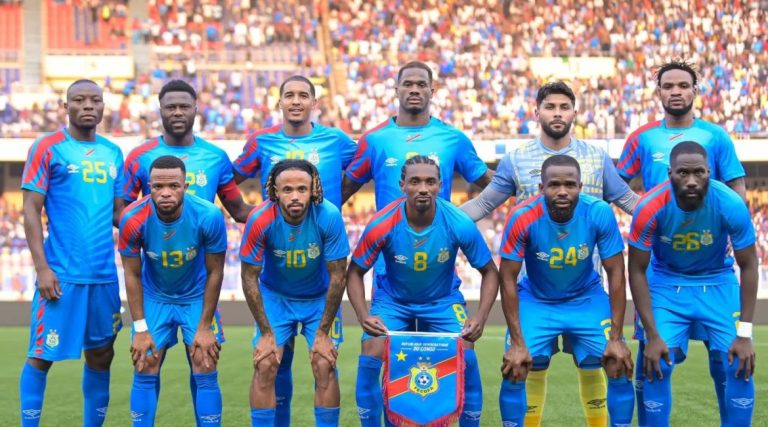
As anticipation builds for DR Congo at AFCON 2025, the Leopards are coming to this tournament on a roll that will be important for African Football. In the last eighteen months, the Leopards have been quietly creating an extremely impressive run in continental football, they have now become real threats.

The significance of this run lies in the fact that it was consistently demonstrated in competition matches; as such the team’s mental toughness and confidence, are both apparent and clearly demonstrate a significant change.

Recent Form & Results: AFCON Qualifiers Momentum

To this effect, the team’s preparations towards AFCON will be hinged on how they performed during the qualifying rounds.  They obtained nine points from their six qualifying matches, which consisted of winning three matches and drawing the remaining three in Tanzania, Guinea and Ethiopia.

DR Congo was able to maintain well-organized defense and personal calm for most of each game. Momentum swiftly carried into their subsequent World Cup qualification fixtures, where overall performances became even more eye-catching. Against strong opposition like Senegal, DR Congo showed they no longer fear the biggest occasions.

Across their last eight competitive matches, DR Congo thankfully remain unbeaten across all fixtures, which is an exceptional accomplishment. That dominant run includes important qualifiers, high-stakes playoffs, and previous tournament appearances.

Prospects: AFCON Predictions for DR Congo

Expectations around DR Congo AFCON 2025 feel genuinely different, especially because of the robust structure built by Desabre. This time, optimism rests on firm tactical structure rather than just on simple hope. As a result, informed AFCON predictions increasingly place the Leopards among the most dangerous outside contenders.

The Group D is going to be the most competitive group where each participant needs to demonstrate their best performance in order to have any success. The biggest challenge for the other teams will be Senegal while Benin and Botswana will present very different tactical challenges.

A top-two finish in Group D feels like the absolute minimum requirement. Finishing first actually remains a highly realistic target. Moreover, the Leopards have already successfully shown they can consistently frustrate Senegal.

Anything short of reaching the quarter-final stage would certainly feel disappointing for the entire nation. However, internal ambition extends significantly further than that initial target. Internally, this focused group strongly believes a semi-final or even a final appearance sits realistically within their grasp.

Still, complacency thankfully remains the only main danger this focused team faces. Therefore, maintaining maximum focus and intensity must remain completely non-negotiable in every single fixture.

If DR Congo successfully maintains their emotional control and tactical discipline, they are absolutely projected to progress deep into the competition. AFCON 2025 finally feels like a genuine and realistic opportunity for this nation.

The Coach: Architect of Successful AFCON Results

Sebastian Desabre is an excellent building block for DR Congo’s massive improvement and backbone of the team. Since his appointment in August of 2022, Desabre has been able to affect the mentality of the team as much as how the team plays.

Most notably, however, Desabre’s influence goes far beyond simply creating game plans or drawing up game diagrams; he has provided the team with a feeling of safety and emotional stability, which was, previously absent.

Desabre initially inherited a fragmented group. Quickly, he introduced much-needed clarity, accountability, and mutual trust. As a result, players now understand their individual roles completely.

His vast African coaching experience shows clearly in his excellent adaptability. Previously, he successfully guided Uganda to the AFCON knockout rounds and also won domestic titles. That specific background helps him brilliantly manage all varied opponents.

Transitions define his attacking philosophy. When DR Congo successfully win the ball back, they instantly attack decisively and vertically. Consequently, opposing teams constantly struggle to quickly reset their defensive shape. This rapid attacking style is a major weapon.

He is going into AFCON 2025 as one of the most underrated coaches in this tournament. If DR Congo successfully progress deep, his tactical fingerprints will certainly be visible, especially in defensive solidity. The stability he created is the true engine of the team’s ambitions.

The Icon: Leadership in Crucial AFCON Matches

Every successful AFCON side desperately needs a true leader who can effectively set the tone. For DR Congo, that definitive figure remains the defensive stalwart Chancel Mbemba. With well over 100 international caps, Mbemba deservedly holds multiple national appearance records. That kind of experience reveals itself powerfully and really only in high-pressure, defining moments.  

His powerful leadership extends well beyond the standard ninety minutes. In the camp environment, he conscientiously mentors younger players. His calming presence actively stabilizes any emotional swings during long, demanding tournaments.

Fans trust him implicitly because of his consistent performance. When important matches unfortunately turn chaotic, Mbemba effectively restores order. That reliability consistently builds immense belief throughout the entire competitive squad.

One to Watch: Breakout Potential at AFCON

Every AFCON tournament inevitably introduces exciting new names to a wider global audience. For DR Congo, the young Noah Sadiki perfectly fits that promising breakout profile. At just 19 years old, he already successfully shows. He progressed through the youth development program at Anderlecht and made a huge transfer to Sunderland.

Crucially, Championship football has powerfully accelerated his overall development. In the AFCON qualifiers, he notably impressed as a substitute, never looking out of place. Rather than forcing hurried play, he intelligently simplified his decisions. That impressive composure clearly stands out.

Technically, he handles heavy defensive pressure comfortably. His excellent first touch quickly allows him to escape the tightest spaces. Therefore, that specific quality perfectly suits DR sa

Sadiki also contributes exceptionally well defensively in the wide areas. When deployed at right-back, he offers immediate security. That valuable tactical flexibility significantly increases his overall chances of earning vital match minutes.

AFCON environments mentally test even the most experienced young players. However, Sadiki’s notably calm demeanor strongly suggests he will confidently embrace the massive challenge. Coaches already have established trust in him.

Current Squad & Tactics: Approach to AFCON Matches

DR Congo’s AFCON 2025 squad depth genuinely represents one of their biggest overall strengths. Consequently, that tactical flexibility becomes absolutely vital.  

When required to defend, they expertly absorb the continuous pressure patiently. Furthermore, once possession is forcefully turned over, they immediately transition aggressively into attack mode.

Tactically, DR Congo clearly prefers a dynamic 4-3-3 system that quickly morphs defensively. When protecting a narrow lead, it frequently becomes a compact 4-5-1 formation. That tactical flexibility effectively frustrates many opponents.

Pressing triggers remain very selective; they are not a team that presses non-stop. Rather than applying constant high pressure, DR Congo chooses their pressing moments wisely. This necessary approach successfully preserves the team’s energy.

DR Congo squad for AFCON 2025

Goalkeepers: Timothy Fayulu (FC Noah), Lionel Mpasi (Le Havre), Matthieu Epolo (Standard Liege).

Defenders: Aaron Wan-Bissaka (West Ham United), Gedeon Kalulu (Aris Limassol), Arthur Masuaku (Sunderland), Joris Kayembe (Genk), Rocky Bushiri (Hibernian), Axel Tuanzebe (Burnley), Chancel Mbemba (Lille), Steve Kapuadi (Legia Warsaw).

Midfielders: Noah Sadiki (Sunderland), Edo Kayembe (Watford), Samuel Moutoussamy (Atromitos), Charles Pickel (Espanyol), Ngal’ayel Mukau (Lille), Mario Stroeykens (Anderlecht), Theo Bongonda (Spartak Moscow), Michel-Ange Balikwisha (Celtic), Nathanael Mbuku (Montpellier), Brian Cipenga (Castellon).

Forwards: Simon Banza (Al Jazira), Fiston Mayele (Pyramids), Samuel Essende (Augsburg), Meschack Elia (Alanyaspor), Cedric Bakambu (Real Betis).

AFCON Historical Performance

DR Congo proudly carry one of AFCON’s absolute richest legacies. Competing previously under the name Zaire, they successfully lifted the prestigious trophy twice, establishing a strong foundation. Their famous titles in 1968 and 1974 defined a true golden era.

Those significant triumphs firmly established their continental credibility. Decades after those stunning victories, opponents treated AFCON matches with absolute seriousness. And that deep history continues to harden the national team’s expectations.

The 1998 AFCON marked an impressive recovery. The DR Congo side made it past the group phase to reach the semi-finals and ended up third. That successful campaign effectively reintroduced them back into the elite continental conversation.

Another significant highlight arrived in the 2015 tournament. Playing with impressive attacking freedom, the Leopards successfully claimed the bronze medal position. Consequently, that specific tournament captured immense neutral support.

In addition, the future certainty of its potential was further solidified with progression to 2023 AFCON. A powerful semi-final and a fourth place was further evidence of recovering consistency. Importantly, this performance proved that their current success was not a one-off.

Across 22 total AFCON appearances, DR Congo have successfully played nearly eighty demanding matches. That vast experience base significantly matters. Younger players now successfully inherit that deep-rooted tradition.

They were absent from the 2021 edition, but their return was remarkable. Qualifying strongly and performing well since then has successfully restored immense confidence. Therefore, the current cycle now finally feels sustainable.

The 2025 AFCON provides an opportunity for the gap in years between two generations of players to be bridged by DR Congo using its successful past as a platform to build on the organization it is currently developing. Legacy alone will never win championships; however, legacy can start that process of belief.

Categories
Africa Cup of Nations Football

Senegal AFCON 2025 Preview: Reigning Champs Seek Glory

Senegal AFCON 2025 Preview: Reigning Champs Seek Glory

Senegal AFCON 2025 Examination: Defending the Crown

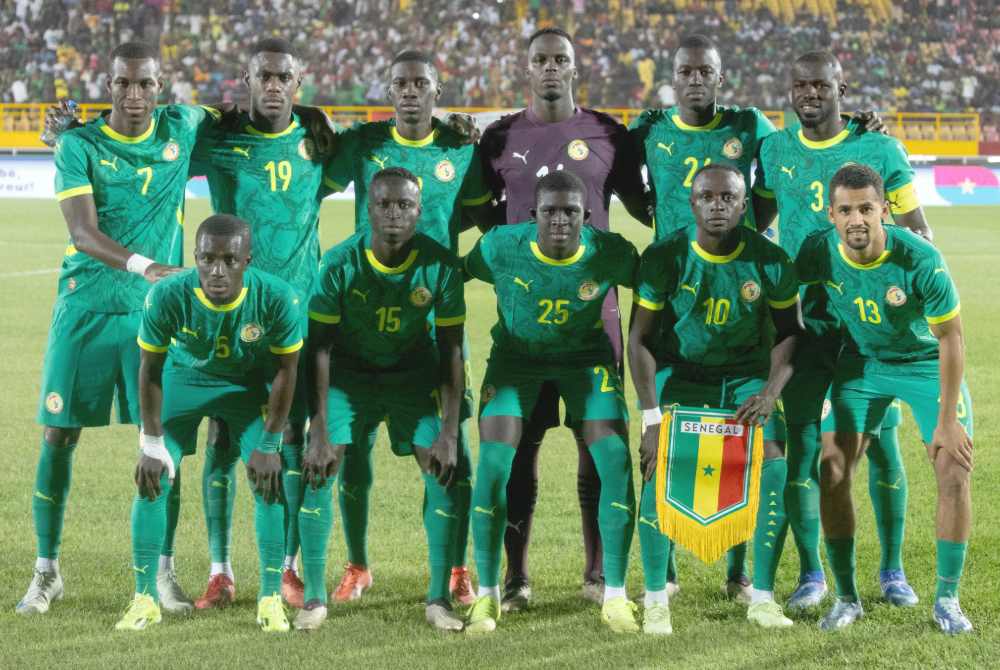
Senegal‍‌‍‍‌‍‌‍‍‌ is going to be the ‘’scariest’’ team for the rest of the competitors at the Africa Cup of Nations. But their blend of experience, hard work, and tactical discipline is beyond any other ‍‌‍‍‌‍‌‍‍‌team. Because of that, expectations feel heavy but completely justified.

The Lions of Teranga no longer travel as hopeful challengers. They are coming in with a calm and confident attitude of a team that is expected to win and that makes all the difference.

This confidence will affect everything from which players get picked for the game and how the game is managed, during and after the game. A team can’t have anything less than a good run in the tournament and still feel like they are missing something, but if this is the team’s goal it’s to repeat as champions again.

AFCON Recent Form & Results

Less‍‌‍‍‌‍‌‍‍‌ teams will be able to qualify for the 2025 African Cup of Nations than Senegal with the same energy. The main reason for the Senegal’s energizing is the rock-solid backline they have gone on to set up during the qualifying stage of the ‍‌‍‍‌‍‌‍‍‌competition. In qualifying, Senegal won all five games in their group and drew one.

In doing so, Senegal scored ten goals while only allowing their opponents one goal, thus demonstrating almost an ideal balance between offense and defense. Their‍‌‍‍‌‍‌‍‍‌ run thus was a great reminder of their stature as the most all-rounded team of Africa.

Senegal’s‍‌‍‍‌‍‌‍‍‌ incredible defensive record after they secured their qualification is a very obvious signal of how hard they are to beat. Actually, their last competitive loss is from over two years ago, which is a very unexpected fact that highlights their defense as the main reason for their quiet and controlled performances.  

It is precisely this sort of consistency that distinguishes serious contenders of international trophies from serial winners. Getting to the World Cup gave the team another level of ‍‌‍‍‌‍‌‍‍‌confidence. Senegal navigated a tricky group phase without defeat, including two demanding fixtures against DR Congo.

A very difficult point at home and an experienced win on the road showed that the team has maturity in various game scenarios. The result of those games were important for what they represented beyond the standings as it was an indicator of how the team could produce points.

Prospects: Analyzing Tournament Structure

Senegal has clear and very direct expectations. A quarter of the final place and beyond will be considered as an achievement while anything less than a semifinal will be considered a fiasco. They are going into their group (Group D) with a sky-high advantage in terms of ‍‌‍‍‌‍‌‍‍‌talent. Consequently, most reputable projections have them finishing top of their group comfortably.

That said, AFCON never offers guarantees, and complacency is a silent killer. DR Congo remain the most credible group-stage threat, possessing quality to cause an upset. Still, Senegal have consistently shown they know exactly how to manage tournament pressure. Therefore, the focus remains firmly on securing all nine points.

Once past the group stage, experience becomes absolutely decisive. Many players have already featured in AFCON finals and World Cup knockout games. That familiarity with pressure-cooker environments reduces the chance of panic. In tournament football, calm and tactical discipline often wins games over raw talent.

Senegal AFCON 2025 Preview: The Coach

Pape Bouna Thiaw is a new but steady chapter. Appointed after Aliou Cissé’s successful reign, he inherited stability. That foundation allowed him to refine tactical details. So far, his impact looks clear: Senegal are more flexible and slightly more aggressive in transition.

Thiaw favors proactive and high-energy football, aiming to dominate possession. Thus, his teams will all be trained to get the ball back as swiftly as they can. Senegal’s tactics have typically been in a 4-3-3 shape that is very fluid (or) even a 4–2–3–1 system.

The wide area of the pitch has been very important for Senegal, as both full backs are sent extremely high in order to gain width. Midfielders adjust constantly to cover the vast spaces, maintaining a strong central structure. This sophisticated structure keeps the team compact.

Defensive discipline remains entirely non-negotiable under Thiaw, a trademark inherited from the Cissé era. The back line stays organized, physical, and operates with a high line. Midfielders recover shape immediately after losing possession. That defensive balance allows Senegal to play boldly.

Man-management has also been a major standout feature of Thiaw’s young reign. Younger players receive genuine chances in key matches.

The Icon

Although Sadio Mané is not as sharp on the pitch as he once was (35), he remains the driving force.  His clever movement off the left wing creates essential space for teammates. This strategic awareness makes Senegal far harder to defend against. Leadership remains his strongest, and arguably most important, weapon.

Mané sets pressing standaards that younger players must match, leading by example. Younger players follow his guidance instinctively because his quality are undeniable. That level of accountability lifts the entire squad’s performance.

Mané has delivered them repeatedly, especially in the last AFCON. Another strong, influential AFCON performance would elevate his legacy further. In Senegalese football history, his place is already secure.

Senegal AFCON 2025 Preview: One to Watch

Nicolas Jackson brings thrilling unpredictability and electric pace to Senegal’s already stacked attack. Still relatively early, he offers direct running and fantastic movement through the middle. His specific profile contrasts sharply with more experienced forwards. That difference immediately adds tactical variety.

Jackson thrives most on the space created behind high defensive lines. He times his runs sharply, exploiting the space between defenders. When opponents step high to squeeze, he is the player ready to punish them. That constant threat forces opponents to defend deeper than they might want.

In tournament football, where the schedule is relentless, squad rotation matters intensely. Jackson allows Senegal to completely change the attacking rhythm. He can easily start matches or shift the game’s momentum completely from the bench. That flexibility and high-impact potential could prove decisive.

AFCON often creates genuine breakout stars. If his confidence arrives early, Senegal’s already dangerous attack instantly becomes even more potent. The attention he draws will also free up space for wide players like Sadio Mané.

Current Squad & Tactics

Senegal has perhaps the most World Cup players, and therefore the majority of depth to choose from-a significant edge when it comes to competition.

Each individual position has at least two quality player options. That immense depth allows for essential rotation without losing quality, which is vital.

Full-backs play an absolutely vital and highly demanding attacking role. They push extremely high up the pitch and stretch the pitch. This constant coordination keeps the team balanced.

Set-pieces remain another significant strength for this powerful squad. Exceptional height and consistent delivery create constant danger. Koulibaly and Jackson dominate aerial duels. Tight matches are often decided by dead-ball goals, and Senegal is tailor-made.

Senegal squad for AFCON 2025

Goalkeepers: Mory Diaw (Le Havre), Yehvann Diouf (Nice), Edouard Mendy (Al-Ahli).

Defenders: Ilay Camara (Anderlecht), Krepin Diatta (Monaco), El Hadji Malik Diouf (West Ham United), Ismail Jakobs (Galatasaray), Kalidou Koulibaly (Al Hilal), Antoine Mendy (Nice), Moussa Niakhate (Lyons), Mamadou Sarr (Strasbourg), Abdoulaye Seck (Maccabi Haifa),

Midfielders: Lamine Camara (Monaco), Pathe Ciss (Rayo Vallecano), Habib Diarra (Sunderland), Idrissa Gana Gueye (Everton), Pape Gueye (Villarreal), Pape Matar Sarr (Tottenham Hotspur).

Forwards: Boulaye Dia (Lazio), Habib Diallo (Metz), Assane Diao (Como), Nicolas Jackson (Bayern Munich), Sadio Mane (Al Nassr), Ibrahim Mbaye (Paris St-Germain), Cherif Ndiaye (Samsunspor), Iliman Ndiaye (Everton),, Cheikh Sabaly (Metz), Ismaila Sarr (Crystal Palace).

AFCON Historical Performance

Senegal’s AFCON journey has historically been long, emotional, and often heartbreaking. For many years, they carried the label of ‘nearly men’. Finals appearances in 2002 and 2019 both ended in cruel heartbreak. That difficult history shaped the squad’s hunger.

It was 2021 when Senegal experienced their major break through with the victory, which would give a huge sense of relief to a nation as a whole lifting a large burden off of the shoulders of the entire country. It validated a talented generation built patiently. Since that iconic moment, the expectations have shifted permanently.

Recent tournaments show consistent, steady progress. Four consecutive quarter-final appearances before their 2021 triumph highlight an incredible reliability. Defensive solidity under the leadership of Koulibaly underpinned that long, successful run.

Historically, Senegalese teams blend natural flair and attacking talent with a deep, physical strength. That core identity remains perfectly intact today. Past lessons learned have only strengthened the collective belief. This squad understands exactly what winning requires.

As AFCON 2025 approaches, Senegal carry not only confidence but also immense responsibility. They no longer chase the respect of their rivals; they defend it fiercely. Another triumphant title would confirm a true dynasty. With their unparalleled depth and mental strength, they look exceptionally well-placed.

The Verdict: Why Senegal Are Title Favorites

As evidenced by this Senegal AFCON 2025 Preview, Senegal is a team that has been specifically built to excel at the big moments in sports history. They have an abundance of experience from previous international competitions, world class depth in each position, and an incredible amount of tactical clarity.

The pressure of expectations are there, however Senegal have the mental toughness and individual talent to overcome the pressure and be a serious contender. As long as Senegal continues to perform at a consistent level throughout the tournament, they will most certainly be a serious competitor all the way until the final whistle blows.

Categories
Football

EKITANGAZA KYA WEEKEND ONLINE FOOTBALL FREE PREDICTIONS 19TH, 20TH AND 21ST DECEMBER

Predictions

EKITANGAZA KYA WEEKEND ONLINE FOOTBALL FREE PREDICTIONS 19TH, 20TH AND 21ST DECEMBER

1. Swansea Vs Wrexham – 1X (Friday)

In Wales at Swansea.com stadium, 19th placed Swansea City host 15th placed Wrexham as the Championship continues. Both sides are not doing really well however, being home, I do not expect Swansea  to lose this game as they continue to get away from relegation zone.

2. Dortmund Vs B. Monchengladbach – 1 (Friday)

Currently 3rd placed, I see Dortmund winning this game at the Signal Iduna Park as they try to cling the 9 points with log leaders Bayern. Monchengladbach are currently 14th placed and lost their last encounter at home to Wolfsburg. I do not see them stopping Dortmund at home.

3. Newcastle Vs Chelsea – Yes (Saturday)

I anticipate and end-to-end game at St. James’ Park as both sides are currently in a good shape. I see a goal from both sides as they both have sharp forward lines

4. Tottenham Vs Liverpool – O2.5 (Saturday)

After trying to revive their winning mentality last weekend, I see Liverpool trying to win it again to try move into the top 5 on the log however it won’t be an easy one. I see each team scoring a goal since they both easily concede now days but I see either side winning. 3/3 of their last H2H EPL meetings saw more than 2 goals. Let us go for Over 2.5 goals

5. Everton Vs Arsenal – 2 (Saturday)

At Hill Dickinson stadium, 9th placed Everton host log leaders Arsenal who hardly lose games this season. It won’t be an easy one but I see the gunners winning it with a small margin.

6. RB Leipzig Vs Bayer Leverkusen – Yes&O2.5 (Saturday)

At the Red Bull Arena, 2nd placed RB Leipzig host 4th placed Bayer Leverkusen as the Bundesliga continues. Only 3 points separate the 2 sides and whenever they meet it’s always an end-to-end game with an average of 14 chances created by either side. All their last 4 league games have seen a minimum of 4 goals with both teams contributing.

7. Juventus Vs AS Roma – X (Saturday)

AS Roma is currently 3rd placed bettering Juventus with 3 points and here comes match day 16. I expect a tight game which will easily end in a tie. 3/3 of their last head-to-head meetings have seen a draw.

8. Real Madrid Vs Sevilla – 1 (Saturday)

The Los Blancos trail Barcelona with 5 points and here comes a struggling 9th placed Sevilla side at the Bernabeu. I see Real Madrid winning. The hosts have won 3/3 of their last head-to-head meetings

9. Aston Villa Vs Man United – 1 (Sunday)

At Villa Park, 3rd placed Aston Villa host 6th placed Man United as the Premier League race continues. I anticipate a tight game but I see Villa coming out as victors basing on form. Aston Villa have won 5/5 of their last league games.

10. Villarreal Vs Barcelona – O2.5 (Sunday)

Villarreal currently have 2 games in hand sitting in 3rd position with 7 points behind Barcelona. Coming into this game, I see Villarreal fighting hard not to lose all the three points. I expect an end-to-end game with a minimum of 3 goals. All their last 3 head-to-head meetings have seen O2.5 goals.

~GOOD LUCK~

Categories
Africa Cup of Nations Football

Nigeria AFCON 2025 Preview: Super Eagles Path to Glory

Nigeria AFCON 2025 Preview: Super Eagles Path to Glory

Nigeria AFCON 2025 Evaluation: Title Ambition Explained

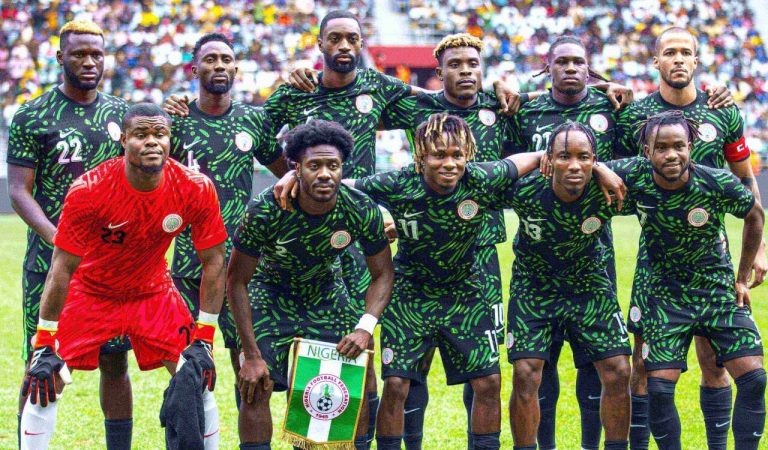
Nigeria is finally here, stepping into this tournament with a determination that fits the sheer energy of a proper Nigeria AFCON 2025 Preview. They return with confidence, yes, but also a massive amount of pressure. They have a profound, national need to show the world they can still rise to the occasion when it truly matters.

This qualifying run definitely gave us plenty to talk about. The immediacy of it, following so closely behind the World Cup Qualifying disappointment really made this campaign stand out. Yet, it also fueled a much sharper, more focused mentality heading into this new competitive cycle.

Recent Form & Results: Breaking Down the AFCON Qualifiers

They scored 11 points, tying for first. Not only were they undefeated, but won all three of the decisive games and drew two others, losing just one game in total during the tournament.

This solid points tally was so vital. It clearly demonstrated consistency and a proper ability to convert chances when they were needed. Now, for one strange statistic: because of a travel dispute, they did gain an awarded 3–0 victory over Libya.

The final goal difference for the AFCON qualifiers was impressive, managing to score 12 goals while only conceding 4 across their six games. This absolutely showed a solid balance. It is a balance that coach Éric Chelle is obviously keen to utilize in the main tournament. The key qualifying results included:

Earlier friendlies did show clear flashes of the intended identity under the new coach, which is encouraging. Victor Osimhen looked devastatingly sharp when fully fit. Ademola Lookman arrived with fresh, undeniable confidence after his standout European club season.

Therefore, because these two elite players set that aggressive and clinical tone in attack, the team’s rhythm settles quickly and decisively whenever both are available on the pitch.

Prospects: Nigeria AFCON 2025 Preview & AFCON Predictions

Nigeria opens their challenging Group C journey as one of the tournament’s undeniable favorites. That status always sparks both intense excitement and critical debate! This is mainly because they carry one of the deepest and most talented squads in the entire competition. That sheer depth shapes nearly every early AFCON prediction model you’ll see.

The Super Eagles Group C Path includes three games (Tanzania, Tunisia and regional rival Uganda). The Super Eagles first game is versus Tanzania’s Taifa Stars; It is an essential, must win game. The Super Eagles must immediately provide the right, unbreakable tone of the tournament.

Looking at the broader picture, Nigeria’s AFCON predictions remain incredibly bright. This is strongly supported by the wealth of available match-winners in every major department. Their depth also helps immeasurably during the tight, punishing schedules of a tournament.

In conclusion, if they successfully manage their internal emotions, maintain a flawless defensive shape, and completely trust the tactical structure laid out by the coaching staff, this squad has every realistic chance to push deep into the tournament.

The Coach: Chelle’s System for Key AFCON Matches

Éric Sékou Chelle steps into this AFCON with a rapidly growing reputation. He has a coaching style developed from his experiences as a solid defender and also from successfully leading Mali to the 2023 AFCON quarter finals. As a result of his practical background, his Nigeria squads will be very organized and will have a great emphasis on controlling the transition from defense to offense.

Chelle’s communication style works exceptionally well with players, which is a huge asset. He focuses on respect, clear roles, and cohesion. He keeps instructions simple but incredibly meaningful. He repeats core principles often enough that the squad understands them deeply and clearly.

He likes saying that nothing is impossible for Nigeria. Therefore, when players believe fully in a system, tactical adjustments become far easier and quicker to execute during the pressure of AFCON matches.

The Icon: Jay-Jay Okocha’s Enduring Influence

A mainstay of Nigeria’s national team for many years, he is one of the most talented players ever to play the game and continues to be a powerful presence within it. He defined the way fans perceive and think about playmakers’ movement and expression on the pitch.

Okocha brought joy, effortless ease, and creativity at a level few others could ever match. Because heroes float well beyond numbers, his life remains embedded in cultural memory and thrilling viral highlight reels.

Younger playmakers look up to him as the ultimate creative standard. This is true even if their own styles differ based on modern tactics. Indeed, when Nigeria attacks with confidence and a sense of aggressive freedom, fans often mention his lasting, inspirational influence.

Okocha’s presence is still profoundly felt during every AFCON season. He frequently appears at public events, speaks with warmth about the team, and consistently works to energize supporters before every single big match. That emotional and historical link matters immensely! This is especially true in high-pressure tournaments where belief and national spirit can provide the necessary lift to performance.

Current Squad & Tactics: Analyzing the 4-3-3 Setup

Nigeria’s squad for AFCON brings a highly valuable blend of proven international names and exciting rising talent. This gives coach Chelle both tactical variety and necessary depth. Of the more strategic shapes, the 4-3-3 is still in there – and along with it the 4-2-3-1.

The midfield unit brings the necessary structure and connection to the entire team setup. Nigeria love attacking wide because it stretches the defensive block very well and creates those crossing opportunities that suit their strikers’ strengths.

Nigeria squad for AFCON 2025

Goalkeepers: Stanley Nwabali (Chippa United), Amas Obasogie (Singida Black Stars), Francis Uzoho (Omonia Nicosia).

Defenders: Ryan Alebiosu (Blackburn Rovers), Chidozie Awaziem (Nantes), Semi Ajayi (Hull City), Calvin Bassey (Fulham), Igoh Ogbu (Slavia Prague), Bruno Onyemaechi (Olympiakos), Bright Osayi-Samuel (Birmingham City), Zaidu Sanusi (Porto).

Midfielders: Ebenezer Akinsanmiro (Pisa), Fisayo Dele-Bashiru (Lazio), Alex Iwobi (Fulham), Usman Muhammed (Ironi Tiberias), Wilfred Ndidi (Besiktas), Tochukwu Nnadi (Zulte Waregem), Raphael Onyedika (Club Brugge), Frank Onyeka (Brentford).

Forwards: Akor Adams (Sevilla), Samuel Chukwueze (Fulham), Cyriel Dessers (Panathinaikos), Chidera Ejuke (Sevilla), Salim Fago Lawal (Istra 1961), Ademola Lookman (Atalanta), Paul Onuachu (Trabzonspor), Victor Osimhen (Galatasaray), Moses Simon (Paris FC).

AFCON Historical Performance: A History of AFCON Results

Nigeria’s history in this flagship continental tournament is deep, storied, and highly decorated. They’ve successfully won AFCON three times. For 40 years from the 70s, Nigerian teams have featured at almost every tournament held across the expansiveness of the world.

This is because Nigeria has bred multiple generations of talented African players, and they have left behind a rich heritage that will continue to live on beyond them; as such, the option for them to be one of the best teams competing in order to win a World Cup is fairly strong in nearly every World Cup.

The 1994 team are held in regard by many who continue to watch Nigerian football and are described as the “Golden Generation” of Nigeria’s soccer history. Their title triumph made sure Nigeria remained among the continent’s elite of the elite.

Their blend of resilient spirit, technical quality, and star talent usually surfaces at the most crucial moment. This is when AFCON results matter most. Supporters rely heavily on that deep-seated Nigerian resilience when imagining a deep, successful run to the final.

Ultimately, if their current discipline, Chelle’s structure, and their attacking creativity align perfectly at the right moments, this current squad has every realistic chance to push far and achieve their goal.

Categories
Africa Cup of Nations Football

Tanzania AFCON 2025 Preview: Why the Taifa Stars are Ready to Roar

Tanzania AFCON 2025 Preview: Why the Taifa Stars are Ready to Roar

Tanzania AFCON 2025 Review: Squad Shape and Group Task

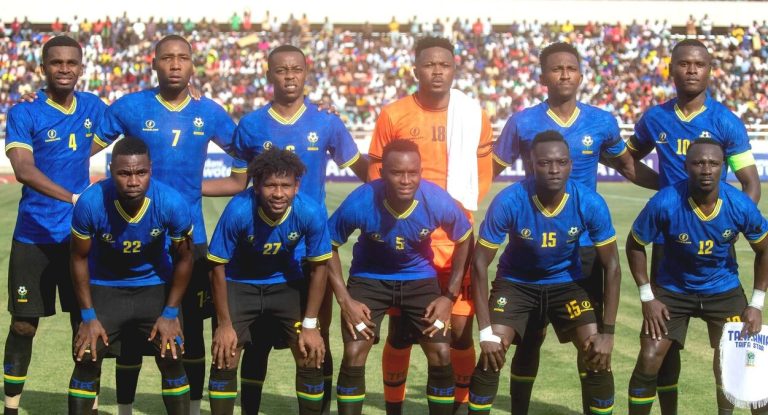
Tanzania’s football fans can hardly contain their excitement as the African Cup of Nations draws near and will be appearing in another major international tournament. With that comes an air of hope, anxiety and some degree of confidence by the Taifa Stars that something may just happen on the biggest stage of all.

The fact that the Taifa Stars have qualified for back-to-back participations in the continent’s most prestigious event, is an achievement in itself for the national team program. This demonstrates the team has demonstrated its ability to perform under extreme pressure and to do well in situations where it counts the most.

Recent Form & AFCON Qualifiers Results

They suffered lengthy spells of not scoring enough to keep their matches from feeling heavier for the fans and the players than they actually were. The fans experienced some very close games, and even some frustrating ties as supporters’ moods were tempered after a morale boosting friendly victory against Sudan in December.  

Therefore, this late spark fed the idea that this group might genuinely surprise people even if their historic AFCON results have been inconsistent.

Tanzania AFCON 2025 Review: Navigating the Pressure and Qualification Success

The group’s midfield continued to grow stronger as they were able to draw with regional rival Uganda and then later draw with regional rival Kenya, and as a result the entire group was able to create a very clear plan going forward to build upon what they were doing.

It is without question when the most important AFCON qualifier campaign (for the 2025 tournament) took place that the entire dynamics of the team and country began to drastically change. Most importantly, Tanzania remained calm through a very difficult qualifying group and ultimately secured 2nd place in the group with an extremely difficult away game to close out the campaign.

One very difficult point secured by Tanzania at the end of the campaign completely changed the morale of the team and the outlook for the country. The single point secured for Tanzania also ensured they would be making back to back appearances in the tournament for the first time in their recent history. Moreover, it visibly signaled that the increasing quality of the Tanzanian domestic league was now translating into large international competitions.

The Impact of the Coaching Change

The coaching change occurred at the time that the team was in need of a clear direction and an alternative voice. In particular, the Tanzania Football Federation (TFF) chose to move away from Hemed Suleiman as a result of his inconsistent results during World Cup qualification.

Miguel Gamondi came in with very little time to settle or implement complex changes, yet he talked confidently and openly about simply helping the players enjoy their football again. That simple, reassuring idea immediately made the environment lighter and noticeably less anxious.

This crucial psychological shift helped the team feel focused and proactive instead of anxious or reactive. Since beating Sudan in that morale-boosting friendly, the energy around the squad has demonstrably changed for the better.

The supporters sense a deep-rooted belief, although Tanzania firmly enters the African Cup of Nations as the underdog for Group C. The group looks sturdier, the atmosphere is more calm, and the players are confident to take each tough game to a tight competitive battle.

Prospects, AFCON Predictions, and the Tanzania AFCON 2025 Review

There is certainly much reason to believe many external analysts have put Tanzania as an outsider in a very tough Group C with Nigeria, Tunisia, and their neighbors Uganda. That ‘underdog’ label feels extremely familiar because the Taifa Stars rarely enter a major tournament as outright favorites.

Still, this group has already shown that the outside pressure will not always knock them down, particularly after their strong qualifying campaign. They have yet to win a tournament in their history and the players speak openly and passionately about achieving that historic milestone.

The Derby is viewed by the Tanzanians as the best possibility to earn much needed three points. It could also be the game that makes all of the difference in this campaign for the Tanzanian team. It may even put Tanzania in a good enough position to have a real chance of advancing as one of the better placed third-place teams going into the last round of matches.

If Tanzania loses in the regional derby against Uganda, then the Taifa Stars will immediately go into a survival/ damage limitation mode for the rest of the tournament. And should Tanzania fall to the regional derby against Uganda, then Taifa Stars will only be looking at survival or limit of damage in the tournament.

A credible outcome for Tanzania in this tough group is third place, which would keep the door open a fraction. If the defensive shape holds firm and the midfield stays organized and disciplined, Tanzania could turn this tight group into something far more interesting than critics currently predict.

The Coach and His Tactical Vision

Miguel Gamondi stepped into the national team job at a truly delicate moment. Gamondi approached his very first sessions with simple, reassuring messages.  His deep comfort and familiarity with Tanzanian football culture made the transition smoother and swifter.

Gamondi already had previous, successful experience at Young Africans SC, which allowed him to intrinsically understand how domestic players respond best to structure and instruction.

Tanzania AFCON 2025 Review: Deploying the Flexible 4-3-3 Formation

The flexible 4-3-3 system allows Gamondi the balance and control of the central midfield that he likes but also provides the ability to switch to the more compact 4-5-1 defensive formation for those tougher games against teams that like to defend.

Additionally, Tanzania has a tendency to sit back deep and play with their defensive line tight and close together. They are only going to break quickly when they feel the time is right. This cautious method works well for the shorter tournaments such as the World Cup qualifiers where matches can go either way based upon just one misstep by either side.

However, Tanzania had some difficulties at times in the previous World Cup qualifying rounds particularly when there were significant spaces left between the center backs and the deeper midfielder. To immediately fix this ongoing issue, Gamondi focused intensely on repetitive positional drills and comprehensive set-piece organization.

The Icon: Mbwana Samatta’s Influence

Samatta is the heart and soul of the team, and the inspiration to many of its fans. For many of these fans, the current tournament represents possibly one of Mbwana’s final large-scale continental competitions; therefore, he has an added emotional burden and sense of urgency for his presence at this time.

Fans feel the same about Samatta as they would with a veteran player that mentors their young players through pressure situations that are both physically stressful (on the field) and emotionally stressful (off the field).

Samatta also continues to move very effectively and efficiently in tight, congested areas on the field. His expert timing inside the penalty box remains razor-sharp, and he stays incredibly composed when goalscoring chances suddenly arrive. Since Tanzania is renowned for not creating many clear-cut openings, his clinical efficiency is absolutely vital to their success.

Moreover, he tirelessly helps the entire attack by cleverly drawing central defenders into wide areas, which effectively frees crucial space for pacey teammates like Simon Msuva or the promising Kelvin John.

Tanzania AFCON 2025 Review: Novatus Dismas’s Rise

Novatus Dismas steps into this huge tournament with rapidly rising confidence and a growing reputation across the continent. His ability to be calm as is natural on the field allows him to keep the team of Tanzania composed and focused under pressure during even the most difficult defensive situations.

He does this by generally taking his time with each pass so that the opposing team cannot take advantage of an opportunity. He also can read danger earlier than the opposition and thus cuts off the threat before it is able to develop into something dangerous.

Dismas brings excellent strength in tackles along with the tactical awareness needed to instantly close passing lanes before creative opponents can strike. His versatility is arguably another key asset that Gamondi values highly. Dismas can smoothly slide into central defense when needed, and that reliable flexibility gives the coach many more tactical options to choose from.

Current Squad, Tactics, and AFCON Match Strategy

Tanzania’s squad for AFCON expertly blends the crucial domestic chemistry with selected, proven talent from professional leagues abroad. This invaluable familiarity massively reduces the learning curve when they gather.

The Defensive Core

In goal, the reliable Aishi Manula brings steady hands, excellent composure, and a confident presence. Ahead of him, Bakari Mwamnyeto and Nickson Kibabage make for a solid and balanced central defensive partnership. Fullbacks Mohammed Hussein and Shomari Kapombe offer crucial balance.

The Midfield Engine Room

The central midfield usually operates with a solid double pivot of two holding players. Feisal Salum settles down the temperature of his team with a few sharp, short passes. Dismas adds much needed both physical strength and defensive stability next to him in the engine room. Consequently, this double pivot effectively protects the defense and prepares quick counters when an attacking chance appears.

Attacking Threats

Ahead of the pivot, the wide attacking areas carry plenty of goal-scoring responsibility. Simon Msuva still expertly reads second balls and loose clearances well. On the opposite attacking side, Kelvin John or Farid Mussa bring direct, threatening running. Samatta leads the line up front. The overarching tactical plan stays simple: Tanzania will sit compact, frustrate opponents with discipline, and strike quickly during transitions. Ultimately, set pieces will play a major, critical role.

Tanzania squad for AFCON 2025

Goalkeepers: Yakoub Suleiman (Simba), Hussein Masalanga (Singida Black Stars), Zuberi Foba (Azam).

Defenders: Bakari Mwamnyeto (Young Africans), Shomari Kapombe (Simba), Lusajo Mwaikenda (Azam), Mohamed Hussein (Young Africans), Nickson Kibabage (Simba), Alphonse Mabula (Shamakhi), Wilson Nangu (Simba), Pascal Msindo (Azam), Ibrahim Abdulla (Young Africans), Haji Mnoga (Salford City), Dickson Job (Young Africans).

Midfielders: Habibu Idd (Singida Black Stars), Tarryn Allarakhia (Rochdale), Charles M’Mombwa (Floriana), Yusuph Kagoma (Simba), Morice Abraham (Simba), Feisal Salum (Azam), Kelvin Nashon (Pamba Jiji), Novatus Dismas Miroshi (Goztepe).

Forwards: Abdul Suleiman (Azam), Iddy Suleiman Nado (Azam), Kibu Denis (Simba), Mbwana Samatta (Le Havre), Kelvin John (Aalborg), Simon Msuva (Al-Talaba).

AFCON Historical Performance and Results

Tanzania’s full AFCON history tells a story of genuinely slow but steady national progress. They appeared on the African continent for the first time as long ago as 1980, however, it would take almost 40 years before they became active forces in international football tournaments. They returned to the global tournament scene in 2019 with a lot of emotion and a lot of national pride, although they were unable to move beyond the group stages of the tournament.

On their latest visit to the African continent in early 2024, there is no question that they have developed significantly. For the second straight year, they earned a pair of hard fought draws, and almost qualified to the knockout round for the first time in its history.

There can be no question now that this era has been proven a true era of success, and not just a lucky cycle, which will end soon. The Taifa Stars may genuinely enter the tournament as underdogs, but they clearly bring a much stronger, more resilient foundation than in previous editions. Tanzania arrives in Morocco fully ready for that massive challenge.

Categories
Africa Cup of Nations Football

Tunisia AFCON 2025 Guide: Dark Horse or Top Contender?

Tunisia AFCON 2025 Guide: Dark Horse or Top Contender?

Whenever Tunisia rolls up to the AFCON, they bring a fascinating mix of quiet belief and some seriously heavy national expectation. For a great number of fans, there are vivid memories of the disappointment of the previous AFCON campaign; therefore, they want to see some real evidence that the team has really “learned” from the experience of the last group this time.

While the Carthage Eagles do not usually display the most flashy player, they are nonetheless, a true danger to any opponent who would try to push an open, unstructured style of play in an effort to create chaos.

Recent Form & Results: AFCON Qualifiers and Momentum

Their recent games don’t lie and it is without a doubt they’ve had a really nice run here. They have not just won hard-fought matches as well, they have also restricted opposition teams while picked up victories too against the opponents much higher up in the table.  

These performances aren’t just good-they are the entire foundation for our deep dive into Tunisia’s AFCON 2025 chances.

The Backbone of Qualification: Clean Sheets and Control

The AFCON results from their qualifying run were perfect evidence of a team that knows exactly how to handle pressure. Tight wins against Gambia (2-1) and Madagascar (3-2), for example, kept them on track despite a shock 1-0 defeat to Comoros last year.

There were those brilliant defensive displays in their World Cup qualifiers. Crucially, their mental fortitude has been top-notch. When matches tightened up, they simply did not flinch, maintaining their tactical discipline flawlessly, even when traveling.

Their possession metrics have been outstanding, allowing them to dictate play and keep rivals exhausted from constantly chasing the ball.  This means Tunisia arrives at AFCON with a steady platform of predictable quality, a massive upgrade from relying on erratic, up-and-down performances. We have to give credit to the coach’s dedication to discipline here.

The Defining Friendly: A Tense Draw with Brazil

The game-changer? That unbelievable 1–1 friendly draw they secured against Brazil in November 2025. That single result lit an absolute fire under everyone! The Carthage Eagles brilliantly scored first and then absolutely refused to fold under pressure on the global stage, showing fantastic mental toughness.

Moreover, other non-competitive matches were important for testing out their bench strength and resilience. Think about the November friendlies: a 3–2 victory over Jordan and a 1–1 draw with Mauritania offered valuable playing time to fringe players. Conversely, the 2–0 loss to Morocco in June clearly highlighted areas that still need work, especially when facing another top North African giant that has serious momentum.

Match Opponent

Competition

Result

Brazil

Friendly

1-1 Draw

Comoros

AFCON Qualifiers

0-1 Loss

Sao Tome & Principe

World Cup Qualifiers

6-0 Win

Morocco

Friendly

0-2 Loss

Prospects: AFCON Predictions and the Group Stage Challenge

Group C looks challenging, but it definitely offers Tunisia a clear, achievable path to the knockout rounds, although there are dangerous traps lurking everywhere. This is where our Tunisia AFCON 2025 preview becomes tactical.

They are undeniably the biggest name here. The reason is simple: they have star power in attack that’s almost unfair, and the weight of their successful AFCON history is always a massive psychological advantage.

Tunisia knows that grabbing a good result against Nigeria could completely overturn every early AFCON prediction out there. That specific match will likely determine who finishes first in the group and who ends up on a much tougher knockout route.

Navigating the Group C Minefield

Uganda and Tanzania cannot be viewed as easy points for both teams have an exceptionally high level of coaching, particularly when they play against the larger African teams. Additionally, these opponents utilize very high levels of energy combined with a very dense tactical format to stop their opponents.

Tunisia is expected to dominate possession in these games, yet possession alone will not guarantee a win. They desperately need early goals to take the pressure off. Long periods without scoring can easily lead to nervous finishes where just one mistake can change everything.

  • Nigeria: The key rival and the one game that will decide the group title. Nigeria’s speed on the wings is going to severely test Tunisia’s more veteran full-backs.
  • Uganda: A notoriously tough, defensive side that excels at frustrating better teams. Scoring early will be essential against them.
  • Tanzania: They represent a bit of an unknown quantity, but their strong commitment and physicality mean they cannot be ignored.

The Coach: Sami Trabelsi, the AFCON Tactician

Sami Trabelsi walks into the AFCON 2025 tournament as a very familiar figure who has some critical unfinished business to attend to. He knows the national team intimately from his previous time in charge.

He also has the clearest notion of how exactly he wants this Tunisia team to play. His ‘system’ suits a side that needs things organised, rather than chaos.

Success in the AFCON Qualifiers Platform

During the recent AFCON qualifiers, this detailed plan really started to pay off nicely. Tunisia consistently controlled the central midfield area in almost every match they played

The coach also seems to have successfully fostered a very positive atmosphere around the camp. Players frequently refer to feeling confident about how they fit in and feeling a level of trust in them from the coaches. Sure, this collective strength is most important when a big tournament throws its curveballs, such as catching up from an early goal conceded or a major player going down hurt.  

If Trabelsi can continue this excellent mix of tactical clarity and calm message distribution, Tunisia will feel well armed for all the pressure they are likely to meet in Morocco. Therefore, his measured leadership will be a non-negotiable factor in achieving any deep run in the tournament.

The Icon: Tarak Dhiab and Classic AFCON Matches

Most likely any die hard Tunisian football fan can tell you what their favorite all time players have been, and if they mention the top five players from their country, Tarak Dhiab is probably one of them. Dhiab is the ultimate example of a player who embodies, excellence, creativity and leadership in the history of Tunisian football.

The African Footballer of the Year

Dhiab is the only Tunisian to have won the African Footballer of the year award and it clearly speaks volumes for his talent. In all the classic AFCON games that Dhiab participated in he connected the midfield with the attack with precision and beauty. He always picked out the right pass and controlled the tempo of the game with the whole team.

His impact did not just stop at the numbers such as goals scored and assists made, but also influenced how Tunisia would set up tactically against big opponents. This style of play showed that African footballers can show technical brilliance and physical power.

Even to this day, videos of Dhiab’s close control and his vision continue to be circulated among fans that appreciate that type of play.

One to Watch: Hannibal Mejbri for Tunisia AFCON 2025

In every major tournament, there is one player capable of a random act to alter the flow of any game. It appears that for Tunisia, that potential key game changer may be in Hannibal Mejbri.

His unique style gives Tunisia a vital advantage in those matches where the midfield battle decides everything.

He is trying to get fouled in dangerous areas around the box. That relentless energy can totally ignite the entire team, especially during periods where they might otherwise drop too deep.

Current Squad & Tactics for the Tunisia AFCON 2025 Preview

Tunisia’s team appears to have been intentionally constructed with the mindset of playing knockout football; discipline and controlled movement is usually preferable to uncontrolled chaos. Trabelsi mainly employs a 4-3-3 formation which can be quickly converted to a defensive 4-5-1, by creating a tight unit of four defenders, and using an extremely limited amount of space between each player.

Therefore, the critical balance is successfully maintained. The midfield is still the critical engine, however.

Tunisia squad for AFCON 2025

Goalkeepers: Aymen Dahmen (CS Sfaxien), Bechir Ben Said (Esperance), Noureddine Farhati (Stade Tunisien), Sabri Ben Hassen (ES Sahel).

Defenders: Yassine Meriah (Esperance), Montassar Talbi (Lorient), Dylan Bronn (Servette), Adem Arous (Kasimpasa), Nader Ghandri (Akhmat Grozny), Mohamed Ben Ali (Esperance), Yan Valery (Sheffield Wednesday), Ali Abdi (Nice), Mortadha Ben Ouanes (Kasimpasa), Ali Maaloul (CS Sfaxien).

Midfielders: Ellyes Skhiri (Eintracht Frankfurt), Houssem Tka (Esperance), Ferjani Sassi (Al-Gharafa), Ismael Gharbi (FC Augsburg), Mohamed Belhadj Mahmoud (Lugano), Hannibal Mejbri (Burnley), Naim Sliti (Al-Shamal), Mohamed Ali Ben Romdhane (Al Ahly).

Forwards: Elias Saad (Augsburg), Elias Achouri (FC Copenhagen), Sebastian Tounekti (Celtic), Firas Chaouat (Club Africain), Hazem Mastouri (Dynamo Makhachkala), Seifeddine Jaziri (Zamalek).

AFCON Historical Performance and Tunisia’s Long-Term Identity

Tunisia has more than a 60-year history in the AFCON. This long history heavily influences every new campaign. They have a rich history of appearances, some tragically close misses and one glorious home-side victory in 2004. That famous title run is still the central memory of Tunisian football.  

Before and after 2004, Tunisia developed a habit of reliably reaching the knockout stages. Quarter-final exits were common, and they achieved a few deeper runs that showed the best of what this football culture can produce. For example, the iconic 1978 team gave impressive AFCON performances together with their famous World Cup win against Mexico.

All of that history is now part of the atmosphere ahead of AFCON 2025. Tunisia don’t believe they’ll lose, for all that they wouldn’t see themselves as favourites, and not many sides through history have cherished a game against them with this much at stake. They have a very high chance of making it quite far this year with the historicity, recovery and exclusive style.