Home » 2025 AFCON
AFCON 2025 Final Controversy: How CAF's Ruling Is Harming African Football
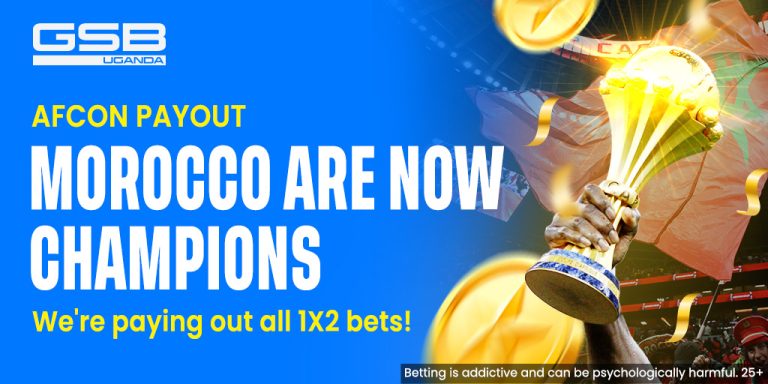
AFCON 2025 final controversy is one of the most damaging incidents in African football history The issue wasn’t the match itself. What followed it was. CAF’s Appeal Board reversed Senegal’s victory and handed the title to Morocco, a decision that sent shock waves around the continent and raised serious questions about governance, transparency and the future of the tournament itself.
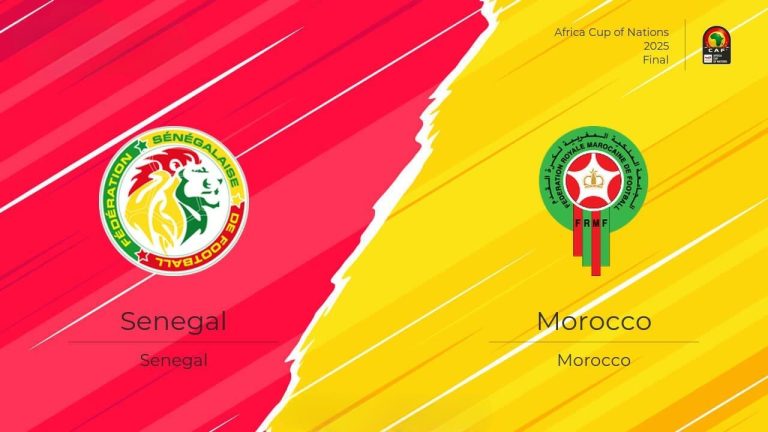
What Happened During the AFCON 2025 Final
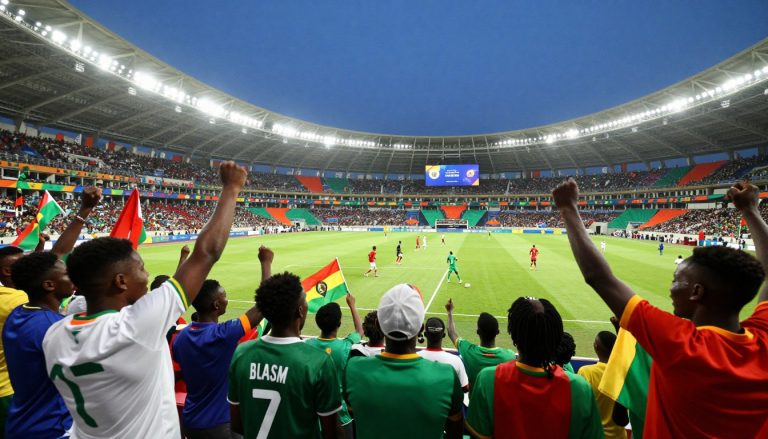
Senegal beat Morocco 1-0 in Rabat. That much is fact. A VAR decision mid-game triggered a walkout that nobody expected. The coach of Senegal told his players to walk off the field in protest. They came back, completed the match and won. They celebrated and took the trophy home.
CAF’s Appeal Board subsequently decided that the walkout violated tournament rules. The board revoked the title from Senegal, awarded it to Morocco and altered the score line to 3-0. A decision by a referee in front of fans was overturned by off-field committee. The decision transformed a sporting controversy into a governance crisis.
Why CAF’s AFCON 2025 Controversy Decision Has Split Opinion
The ruling of the Appeal Board is technically defensible. Players exited the field midmatch, which violates rules, and tournaments must safeguard the integrity of the game. But the decision is not popular – or smart – even if it is true to the letter of law.
The former France international Samir Nasri said the ruling was “ridiculous.” He noted that Senegal was already celebrating and heading home with the cup. Overturning a result retroactively sets up a horrifying precedent. The former CAF vice president Kwesi Nyantakyi went further still, warning that decisions such as these pose serious credibility issues – particularly when they supersede transparent, referee-led conclusions.
Some argue that CAF had no choice. If walkouts go unpunished, what stops teams from using them tactically in future finals? The regulations exist for a reason. Many football observers still believe the punishment was wildly disproportionate to the offence – stripping a national title is not a standard sanction for a mid-game protest.
The Wider Damage to African Football’s Image
CAF president Patrice Motsepe released a statement almost two weeks after the final. He called the incidents “unacceptable” and promised heavier fines, stronger suspensions, and better refereeing across the continent. All of that sounds reasonable. The timing, though, matters.
Two weeks is a long time. The story had already spread globally before CAF responded publicly. The organisation had just held a meeting with sponsors and international broadcasters, citing research showing 61% growth in viewership for the tournament. That figure is impressive. It is hard to market growth numbers when your flagship competition dominates headlines for the wrong reasons.
Alain Giresse, who coached four African national teams including Senegal, captured the mood. He told French newspaper L’Equipe that events like this suggest African football “is not serious, not rigorous.” That is a brutal verdict from someone who has dedicated decades to the game on the continent.
What This Means for African Football Going Forward
The controversy arrives at a complicated moment. African football is genuinely growing. Viewership figures are rising. Players from the continent are starring in the biggest leagues in the world. The AFCON has real momentum. Credibility is fragile, years to build and seconds to damage.
Senegal has said it will appeal the ruling, so this story isn’t even close to being over. Each new hearing, each new statement and each additional delay keeps the controversy going. All sponsors, broadcasters and fans are following. For African football to achieve the global profile it deserves, CAF requires more than increased fines and improved referees.
It requires a governance framework that yields decisions that seem fair, speedy and binding. The process of appeal shouldn’t take long enough to create scandal two on top of number one.” For more context on where this ruling fit within the larger landscape, read our full coverage of the AFCON 2025 tournament.
GSB Uganda Turns Controversy into Celebration
While institutions debated the ruling’s legitimacy, GSB Uganda moved quickly and decisively. The platform announced the immediate full payout of all bets placed on Morocco to win AFCON – no delays, no fine print, no waiting for the dust to settle. It is an unprecedented move, and one that reflects a broader commitment to fairness and transparency at a moment when both qualities feel in short supply at the top of the game.
Every Morocco bet will be paid in full, with payouts processed immediately. In an environment where the controversy left many feeling short-changed, the move stands out for its speed and clarity – two qualities notably absent from the institutional response.
Controversy at the top of football is beyond anyone’s control. How a brand responds to it isn’t. What began as a contentious administrative decision has, for GSB Uganda’s customers, become a moment worth celebrating.
If you backed Morocco, check your account – your winnings are there. And if you haven’t yet experienced a platform that moves this fast when it matters, visit https://gsb.ug/sportsbook/upcoming and see what’s next.
Three Changes CAF Must Make Now
The road back to credibility starts with specific actions:
- A clear disciplinary framework that defines proportionate punishments for player walkoffs, protests, and other on-field disturbances – published before the next tournament begins.
- A faster appeals process with firm deadlines. If a result is going to be reversed, it should happen within days, not weeks.
- Independent oversight for major decisions. A panel that includes voices outside the CAF hierarchy would make rulings easier to trust, even when they are controversial.
None of these changes will undo the damage from the Rabat final. But they would give the next AFCON a better foundation to build on.
FIFA’s Response and International Pressure
FIFA president Gianni Infantino responded quickly after the final. On Instagram, he wrote that the “ugly scenes witnessed must be condemned and never repeated.” That kind of public statement from the global governing body adds pressure on CAF to act. It also highlights how exposed African football’s biggest night looked to the rest of the world.
International scrutiny is not inherently a bad thing. If it pushes CAF toward faster reform and clearer processes, the controversy may serve a purpose. That only happens if the organisation treats this moment as a turning point and not a PR problem to manage.
FAQ
The board stripped Senegal of the AFCON 2025 title and awarded it to Morocco, changing the official scoreline to 3-0. The ruling followed Senegal’s mid-game walkout in protest at a VAR decision.
Senegal’s coach instructed his players to leave the field after a VAR decision they believed was wrong. They returned and completed the match, winning 1-0 on the pitch.
Yes. Senegal has announced it will appeal the Appeal Board’s ruling. The legal process is ongoing.
Motsepe called the incidents at the final “unacceptable” and promised stronger punishments and improved refereeing standards across CAF competitions going forward.
The ruling undermines CAF’s credibility at a time when the AFCON was building strong viewership and commercial growth. It raises questions about whether controversial decisions can be made quickly and fairly.