Categories
Africa Cup of Nations Football

Angola AFCON 2025 Overview: Squad, Predictions, and Group B Breakdown
Angola AFCON 2025 Overview: Squad, Predictions, and Group B Breakdown

Angola AFCON 2025 Overview: Squad, Fixtures, Expectations

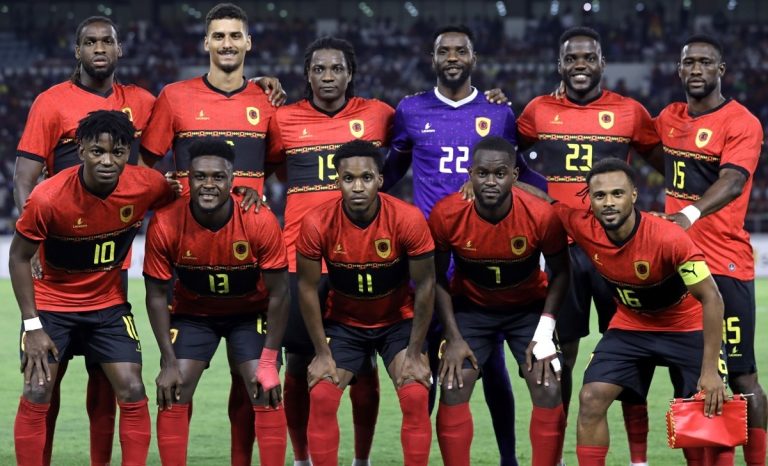
Angola are heading into AFCON 2025 full of belief and confidence. The group definitely believes it is prepared for another title run. Their fans now feel like something is actually happening with the team that really is focused.

The squad is a young, vibrant one, and does have some sort of similarity amongst themselves as they develop – also because recently, they have reached the quarterfinals of their continental competition.

Recent Form & Results | AFCON Results Breakdown

Angola’s recent form paints a picture of steady, impressive rise. The group came out of the last AFCON with new confidence after reaching the quarter-finals. Consequently, that crucial result shifted the entire way supporters talked about the team. Moreover, their performance convinced the players themselves that they could challenge the continent’s best teams consistently.

This powerful momentum has proven absolutely crucial for their entire preparation leading directly into the current finals tournament. Following that success, they completed an unbeaten AFCON qualifiers campaign.

This campaign helped shape the firm belief that this squad can now aim even higher than before. It powerfully showed their ability to manage tight, difficult matches and intense, high-pressure moments expertly.

Unbeaten Qualifiers and World Cup Lessons

They successfully navigated challenging away fixtures against established regional rivals. Therefore, they clearly demonstrated tactical maturity and a serious, unwavering mental toughness required at this level. The team truly proved they could win when it mattered most. They solidified their standing as a potential dark horse contender.

Even with this growing optimism, their recent World Cup qualifying push didn’t go exactly as flawlessly planned. They suffered a string of disappointing draws that slowed crucial progress. Ultimately, a few narrow defeats left them short of a deserved spot at the global football event.

Prospects | AFCON Predictions for Group B

Group B brings a tricky, tough mix of styles that Angola must expertly overcome to advance. They share the main competitive stage with football powerhouses Egypt and South Africa. This absolutely means every single AFCON match carries incredible weight.

Egypt arrives with the formidable track record everyone knows. They boast continental experience that few can match in this entire tournament. Moreover, South Africa comes with a very organized and disciplined team in terms of tactics, which excels at playing a structured and very slow tempo game of football, that will be able to get under the skin of their opponent. On the other hand, Zimbabwe are hungry and have shown themselves to be extremely dangerous, as they had a great qualifying campaign.

Group B Strategy and Conversion

They upset several bigger nations and proved their capability. Since the whole group genuinely feels open and unpredictable, a fast start could completely change the picture and the trajectory for Angola.

A single early victory could provide the crucial psychological advantage needed to expertly navigate the tight schedule. The Angolan squad understands that maximum focus and clinical finishing are needed from the very first whistle.

The opener against South Africa might be the one match that truly sets the immediate tone for everything that follows. If Angola can start with a strong, resilient defensive display, they will walk into their second game with powerful extra momentum. Their defense has been much better in recent years.  

Moreover, the whole group has shown the necessary patience in games where the opposition tries to dictate the tempo. This specific patience can help immensely to calm nerves in early, unpredictable fixtures.

The biggest hurdle for this entire team remains their conversion rate and overall finishing of clear-cut chances. Angola move the ball nicely and transition exceptionally well from defense to attack. Yet, they don’t always manage to turn that good build-up play into actual, tournament-deciding goals. They sometimes hesitate slightly in the final third. Unfortunately, a split-second delay can cost them dearly.

The Coach | Leadership for the AFCON Matches

Angola’s coaching situation brought an unexpected twist right before the tournament officially began. Their long-time, influential coach suddenly stepped aside. Of course, this also led to a lot of questions, and at least for a time, caused a short term disruption to an already critical development stage.

He was one of the key figures that helped to define what it meant to be part of the modern version of the team. In addition, he had built a level of faith with both the young, up-and-coming players, and the large and very enthusiastic fan base.

As a result, many of the young developing players had grown and developed their careers directly under his leadership. Therefore, his exit, in turn, understandably generated some uncertainty, and immediate speculation regarding the teams’ future. However, the abrupt leadership change fortunately did not negatively impact the existing structure as much as many outside observers predicted. The national association wisely decided to keep most of the core technical staff intact.

Tactical Stability and Player Morale

This immediately brought a strong sense of stability and crucial continuity to the training ground. With familiar faces and voices still heavily involved, the new incoming coach was able to walk straight into a group that already deeply understood the tactical system. This existing structure helped significantly to calm any immediate nerves. Thus, it made the leadership transition far smoother and quicker than anticipated.

The newly appointed coach, Patrice Beaumelle has wisely focused on practical, specific adjustments. He is not attempting any sweeping, drastic strategic changes to the overall game plan. His primary aims are to tighten the defensive lines further and significantly improve the speed of all transitions.

Furthermore, he implicitly trusts the senior, experienced players to successfully guide the younger ones through the tournament’s immense pressure. Since the team simply doesn’t have much time to learn an entirely fresh tactical approach before their first key match, this simple strategy makes perfect sense for everyone involved.

The Icon | Gelson Dala and His Influence

Every successful team needs one special leader. He remains their single most dependable and clinical attacking force in the entire squad. The whole group instinctively looks directly to him when the match naturally opens up.

Dala’s Tactical Flexibility

Dala’s incredible tactical flexibility adds enormously to his strategic importance for the coach. He is equally capable of dropping deep off the main line to operate as a classic second striker. Alternatively, he can push highest up the field as the main forward anchor. He also subtly drifts into dangerous pockets of space that deeply unsettle aggressive defenders.

Because of this versatile skill set, the coaching staff is able to effortlessly switch tactical shapes mid-game. This happens without ever sacrificing their core attacking purpose or threat. His deep understanding of space and timing helps Angola consistently create cleaner, higher-quality chances. This is especially true in those tight, complex matches where rhythm and flow come slowly.

All the younger, emerging players follow his dedicated example closely during high-intensity training sessions. Therefore, the success of Angola’s AFCON 2025 campaign rests heavily on his talented and experienced shoulders.

One to Watch | Zito Luvumbo Ready for AFCON Breakout

Gelson Dala will be providing the essential stability and experience for the team; meanwhile, young and extremely explosive winger Zito Luvumbo will bring a much needed, raw speed, and an unpredictable element that no one can fully anticipate.

Despite being just 21 years old, Luvumbo has already earned himself a developing and sizeable reputation in all of Europe for his unbelievable speed, extreme bravery on the ball, and unadulterated flare for the dramatic with the ball at the end of each sequence.

Fans across the entire continent follow his rapid progress keenly. Many pundits fully expect him to sensationally shine at this major tournament. His time spent playing club football in high-pressure European leagues has specifically sharpened his timing. Consequently, it expertly taught him exactly when to pick the right, optimal moments to launch an aggressive attack.

Luvumbo is masterful at forcing opposing defenders into making critical mistakes. This is because they must decide extremely quickly how tight or how distant to stay from him. Once he decisively accelerates past them with the ball, he instantly creates valuable space for his teammates. Specifically, he successfully drags opposing markers completely out of their defensive positions and shape.

Current Squad & Tactics | Angola AFCON 2025 Qualifiers Blueprint

Angola’s current squad successfully blends essential, seasoned veterans with an exciting core of emerging, young talent. The entire group has developed a clear, actionable identity built foundationally on structure and tireless teamwork. They focus on executing sharp, devastating counter-attacks.

This precise tactical approach worked perfectly during their unbeaten AFCON qualifiers campaign. It continues to guide the team’s preparations heading into the finals in Morocco. Therefore, the tactical blueprint is well understood by every player in the squad, guaranteeing cohesive performance on the pitch.

Angola squad for AFCON 2025

Goalkeepers: Neblu (Primero Agosto), Hugo Marques (Petro de Luanda), Dominique (Etoile Carouge).

Defenders: Rui Modesto (Udinese), Eddie Afonso (Petro de Luanda), To Carneiro (AS FAR), Nurio Fortuna (Volos FC), Pedro Bondo (Famalicao), David Carmo (Real Oviedo), Buatu (Gil Vicente), Gaspar (Lecce), Clinton Mata (Lyon).

Midfielders: Beni Mukendi (Victoria SC), Show (Kocaelispor), Fredy (Bodrumspor), Maestro (Alanyaspor), Manuel Keliano (Akhmat Grozny), Mario Balburdia (Boluspor).

Forwards: Zito Luvumbo (Cagliari), Manuel Benson (Swansea City), Milson (Crvena Zvezda), Chico Banza (Zamalek), Gelson Dala (Al Wakrah), Randy Nteka (Rayo Vallecano), Ary Papel (Al Akhdar), Mabululu (Al Ahli Tripoli), Mbala Nzola (Pisa), Zine (AEK Athens).

AFCON Historical Performance | Angola’s Journey

Angola’s history at the prestigious AFCON tournament has been steadily filled with significant progress. It includes indelible moments of national pride and a few tough setbacks. These competitions greatly assisted in the growth of the team and their ability to respond to adversity.

The early competitive days certainly did the team good (it gave them competition experience against some of the finest players in Africa), the team weren’t able to progress deep into any of these tournaments but, showed limited persistence and earned respect from some incredibly talented opponents.

This is how they established themselves as an ascendant team. Their true continental breakthrough sensationally arrived in the late 2000s. They reached the highly coveted quarter-finals in two straight, consecutive tournaments.

Ambition for the Future

The team knows deep down that they have exactly the right tools and the tactical discipline. They have the sheer talent to challenge seriously for it.

Therefore, they enter the tournament with a perfect blend of high ambition and acquired maturity. They respect their opponents but fear absolutely none of them. The compelling story of Angola at AFCON is actively still being written. This current chapter promises to be one of their most exciting and memorable yet. The entire country will be watching, ready to cheer them on to potential glory in the AFCON results.

Categories
Africa Cup of Nations Football

Comoros AFCON 2025 Breakdown: Underdogs Ready to Shock the Continent

Comoros AFCON 2025 Breakdown: Upset Potential Assessed

Comoros AFCON 2025 Breakdown: Upset Potential Assessed

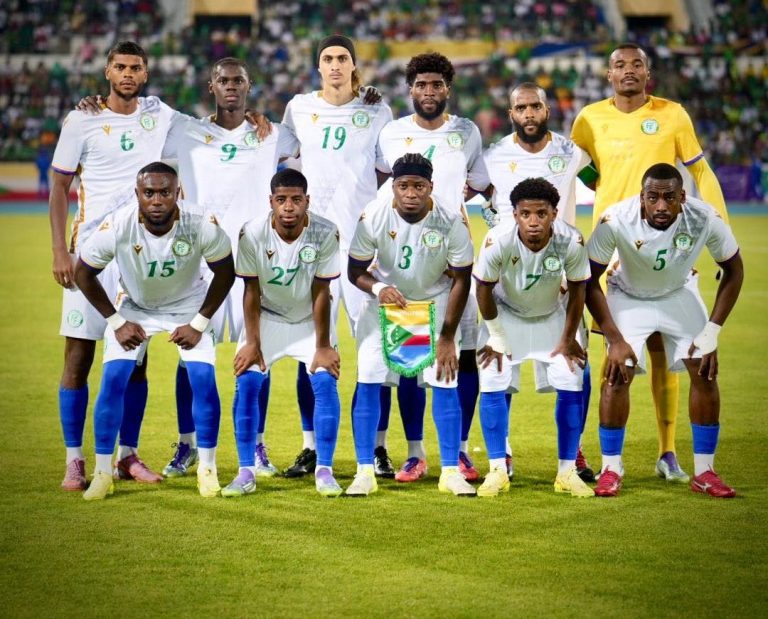
Comoros approach the continental tournament with a perfect blend of quiet self belief and enthusiasm. Their journey from footballing minnow to regular tournament competitor has been inspirational. Their talent pool might be modest, yet their fierce commitment explains why they keep turning heads across Africa.

Every time they take on one of Africa’s great teams, they do so with all the heart, energy and an important spark which becomes bigger and bigger each time they take on these behemoths in African football.

Their rapid rise is based on their tenacious spirit and on their intelligent tactics rather than mere good fortune or luck. The players work hard to get difficult wins and they are very defensive-minded as they put forth a group effort to protect their net.

Each time they can win the battle for the loose balls they fight for them tenaciously, and each time there is a scoring opportunity they will pursue it with a sense of purpose. This solid base gives the club the confidence to achieve its goals at this years tournament.

Recent Form & Results: Crucial AFCON Qualifiers Performance

Comoros arrive at AFCON 2025 with an excellent recent run of form. Consequently, this seriously boosts their collective confidence levels. Their entire journey through the AFCON qualifiers demonstrated remarkable, genuine progress and discipline on the field.

In short, that specific victory proved their earlier successes were absolutely no accident of chance. Thus, this helped coach Stefano Cusin refine their shape and improve timing during crucial transitions. Several individual players helped Comoros maintain that steady, positive rhythm throughout the qualification process.

Goalkeeper Salim Ben Boina kept the back line relaxed and organized during tense spells of pressure. M’changama played as a “midfield maestro”, providing controlled, intelligent passing options to his teammates. Ben Nabouhane, a veteran forward, provided an important attacking force, while also leading emotionally on the front line.

They also recorded valuable, strong draws that helped keep team spirits high. For instance, a resilient 1–1 result with Gambia showed the group’s true resilience during a match where possession was limited. That specific draw carried real tactical value.

Because of this, it forced the entire squad to defend with flawless shape for long periods. Comoros now enter the final AFCON tournament with a profound belief they can keep this crucial unbeaten momentum alive.

Prospects: Expert AFCON Predictions for Comoros

Comoros step into a difficult group stage widely viewed as the smallest and least-fancied side in their bracket. They face powerful footballing nations with deeper squads. Therefore, their primary tournament aim is both simple and highly realistic.

Most informed AFCON predictions lean heavily toward Morocco and Mali topping the group and advancing directly. Both of those countries possess impressive, world-class individual quality and significant recent success.

Yet, Comoros genuinely do not fear facing them in a head-to-head competition. They defend with outstanding collective discipline. They move as one single, cohesive unit designed to keep games tight and low-scoring.

Anything is realistically possible once matches get tight and tense. A perfect dead-ball set piece, a lightning-fast counter-attack or one individual brave moment can change it all. Hence, Comoros strategically rely on that exact possibility.  This perfectly matches their inherently competitive nature.

In contrast, they avoid entering wide-open, high-scoring affairs. If they can strategically secure early points against their stronger opponents, their path to the coveted round of sixteen becomes instantly more realistic. Their committed defending plays the major, most important role in that entire strategic plan.

The Coach: Stefano Cusin’s Tactics for AFCON Matches

Stefano Cusin manages and guides the Comoros team’s incredible growth. He brings a crucial calm decision-making process and a highly practical approach. Indeed, this perfectly suits the hardworking squad’s strengths and limitations.

His extensive years of coaching experience across Africa shaped his profound understanding of how competitive teams effectively punch above their weight. That diverse experience helped him build a distinctive style based fundamentally on defensive shape and absolute collective teamwork.

Cusin most frequently deploys a defensive back five formation to tightly close down space and effectively crowd the box area. That tactical setup successfully forces opponents to work harder and longer for any clear-cut shooting opportunities.

Also, this prevents Comoros from losing their protective structure. The midfield unit works extremely close together, holding the central lanes tight and slowing the opponents’ initial attacks through the middle.

Once a successful defensive turnover occurs, the team’s key attacking trigger is immediate. The wing backs instantly drive forward, and the midfield pushes quick, incisive passes into open channels of space.

Cusin firmly believes that their unwavering tactical discipline will keep them highly competitive in games where the opposition’s individual talent might not match his own squad’s level. That core belief strongly shapes the rhythm and the flow of their matches.

He strongly prefers caution because it keeps their successful, defensively solid identity clear. Above all, he deeply knows the team performs its absolute best when they defend superbly.

The Icon: Ben Nabouhane and Key AFCON Results

Ahmed El Fardou Ben Nabouhane remains the essential, powerful emotional leader of Comorian national football. Dedicated supporters know him simply and affectionately as ‘Ben’.  Many passionate fans still vividly remember his famous strike that effectively ruined Ghana’s hopeful path toward World Cup progress years ago.

His crucial, well-timed goals during AFCON 2021 only added another unforgettable layer to his growing legend and influence. Ultimately, supporters recall those moments with incredible national pride because they represented a massive breakthrough.

His long and distinguished club career across various leagues in Europe shaped him into an incredibly reliable goal finisher. Playing in high-pressure environments successfully taught him how to expertly manage tough, demanding matches.

Comoros will necessarily lean on him heavily for both goals and experience during this difficult tournament. Dedicated supporters will absolutely cherish each one of his appearances.

One to Watch: Saïd Bakari’s Attacking Front and AFCON Matches

SaĂŻd Bakari truly stands out as one of the most important and tactically versatile pieces in this rapidly improving squad. He intrinsically knows how to consistently turn the right flank into a highly busy and highly effective attacking channel.

His tireless work rate on the pitch rarely ever fades or drops. That steady, consistent energy actively helps Comoros maintain the strong defensive shape they consistently rely on for success.

Furthermore, when he pushes forward into the attack, he wisely times his steps and runs. This ensures he does not leave dangerous empty space behind him that opponents can exploit.

His tactical awareness consistently keeps opponents honest because they cannot afford to simply ignore his constant wide movement. Once he successfully gains space in the wide channels, he can deliver dangerous, accurate crosses into the box.

Alternatively, he cuts sharply inside to build fast combinations with his advancing midfielders. Comoros often successfully create their absolute best scoring chances through wide-channel play.

Fans should expect to see him rapidly glide forward during defensive transitions and actively help the team successfully stretch opposing defenders wide. He carries the ball confidently and with purpose.  If Comoros secure a shock, surprise result in the upcoming group stage, informed fans should strongly expect Bakari to significantly influence that huge, defining moment.

Current Squad & Tactics: A Detailed Comoros AFCON 2025 Breakdown

Comoros go into Comoros AFCON 2025 setting with an immensely polished tactics fully designed in victories. Their preferred defensive formation usually sees them shift from a strong 5-4-1 setup to the slightly more flexible 5-3-2.  Their rapid counter-attacks often begin with a fast, long diagonal ball. Alternatively, a quick, delicate one-touch pass into the wide channels starts the play.

Comoros squad for AFCON 2025

Goalkeepers: Yannick Pandor (Royal Francs Borains), Salim Ben Boina (Istres), Adel Anzimati (Ararat Yerevan).

Defenders: Kassim M’Dahoma (Aubagne Air Bel), Ahmed Soilihi (Sc Toulon), Idris Mohamed (Le Puy Foot 43), Kenan Toibibou (NK Bravo), Akim Abdallah (Guingamp), Ismael Boura (Troyes), Yannis Kari (Frejus Saint-Raphael), Said Bakary (Sparta Rotterdam).

Midfielders: Yacine Bourhane (Aris Limassol), Iyad Mohamed (Casa Pia), Raouf Mroivili (FC Villefranche), Youssouf M’Changama (Al-Batin), Rayan Lutin (Amiens), Benjaloud Youssouf (Sochaux), RĂ©my Vita (Tondela), Zaydou Youssouf (Al-Fateh).

Forwards: Rafiki Said (Standard Liege), Zaid Amir (Istres), Faiz Selemani (Qatar SC), El Fardou Ben Nabouhane (FK Zemun), Myziane Maolida (Al-Kholood), Ahmed Aymeric (Chateauroux), Aboubacar Ali (Royal Francs Borains).

AFCON Historical Performance: Looking at Past AFCON Results

Comoros truly stepped onto the continental relevance stage during their magical AFCON 2021 appearance. They successfully qualified for the final tournament for the very first time. Their sensational debut run felt exactly like one huge, national celebration.

Furthermore, their group stage delivered high drama and produced one of the biggest, most shocking AFCON results in recent tournament memory.

They successfully stunned the African giant Ghana with a famous 3–2 victory. That incredible win also crucially helped them advance to the round of sixteen. This remains their all-time best performance in the tournament so far. Their knockout match delivered even more intense national emotion and pride.

Comoros AFCON 2025 breakdown measured progress clearly shows steady, intelligent growth rather than unpredictable, sudden spikes in form.

Comoros Ready to Chase Another AFCON Miracle

Their steady progress over the last few years has been intelligent and consistent. Indeed, each successive milestone successfully added another important layer of confidence to the collective team spirit.

The challenging journey ahead will certainly test their collective resolve and physical limits. Their unbeaten qualifiers gave them a strong, solid base of results. Furthermore, their experienced leaders constantly help guide and mentor the younger players in the squad.

If everything strategically clicks together for them, Comoros could realistically deliver another memorable, giant-slaying tournament run and successfully surprise the entire African continent once more.

Categories
Africa Cup of Nations Football

Mali AFCON 2025: Shocking Squad & Tactics to Outrank Competitors

Mali AFCON 2025: Shocking Squad & Tactics to Outrank Competitors

Mali AFCON 2025 Analysis: Squad Quality and Tactical Edge

Mali AFCON 2025 analysis is generating real buzz, because this group of players feels better balanced than past tournament editions. They possess a stronger midfield core and athletes who log heavy club minutes in top European leagues.

The belief is rooted in controlled qualifiers, steady defensive phases, and growing confidence in transition moments.

Recent Form & Results

Mali enters the AFCON 2025 tournament fresh from a qualifying campaign that projected both defensive authority and considerable match-state maturity. They topped Group I without losing a single match throughout the entire phase. Mali is clearly showing they can expertly toggle between dominant high-score wins and stubborn, narrower victories, depending entirely on the game’s specific shape and tempo.

The sensational 6–0 routing of Eswatini was not only impressive to watch. It was highly instructive, highlighting Mali’s true offensive potential when opponents unwisely allow space behind the lines. Clinical finishing appeared once the lines separated. Fullbacks, like the experienced Hamari Traoré, were free to deliver dangerous cutbacks or sharp crosses from wide zones.

Crucially, their defensive pivots recycled passes quickly. They prioritized simple possession retention over high-risk vertical passes. They could cynically foul opponents when it was needed without significantly affecting their overall cohesiveness – controlling the rhythm of games and preventing opponents from establishing a flow whenever they lost the ball during transition.

Mali AFCON 2025 Analysis: Prospects

The Mali AFCON 2025 squad chances are on a far stronger footing than they have been in previous editions. Morocco, looking good for its part, will be the overwhelming favourite going into the group stage. Mali primarily begins the race targeting a secure second-place finish in Group A.

Zambia is clearly their likeliest competitor for that vital spot. Yves Bissouma’s impressive club pedigree quietly helps to reinforce the forecast narrative, too. His involvement in a Europa League winning run places him as a pivot arriving with genuine authority and confidence. Camara’s Liga 1 and Ligue 1 background powerfully reinforces the duel dominance story.

Mali needs controlled, disciplined wins against both Zambia and Comoros to make their positive projection truly real. This tactical challenge requires the Mali attack to be creative. The quarter-finals are a baseline expectation, rather than an old ceiling.

For Mali to achieve their baseline expectation, they must execute a series of critical actions: they need to beat Zambia. They must also beat Comoros. In the match against Morocco, they need to stay competitive. It is essential they protect the early phases of the game. Finally, they must keep central duels tight.

The Coach

Tom Saintfiet takes on the Mali job carrying a very clear reputation for defensive structure and tactical annoyance. He achieved these not through chaotic, high-variance pressing lines, but through disciplined, compact mid-block spells. This particular squad’s biggest leap forward has been in defensive maturity. Saintfiet will simply ask them to execute the trusted habits they already possess, but more often and with much sharper timing.

Saintfiet consistently prefers his defensive pivots to be aggressive in duels yet completely calm in distribution. This setup is perfect for Bissouma’s renowned press resistance. Camara’s impressive stamina and vertical-first thinking after successful ball wins match Saintfiet’s quick-forward-release preferences perfectly.

He tends to manage late-game states far better than he handles early-game chaos. His substitutions often reinforce existing defensive structure. This matters significantly, because Mali has historically panicked or lost crucial spacing while chasing equalisers late in matches.

His biggest pressure point in the entire tournament is undoubtedly time-the lack of it with the squad. His tactical clarity can confidently carry Mali into deeper rounds. The ability of Tom Saintfiet to simplify a high-stakes game plan is arguably their most critical hidden strength this year.

The Icon

When you think about the emotional level that Mali can reach, Moussa Marega is one of the few players that still come up in this regard. On the field he was truly electrifying – a combination of raw power and an unrelenting fight for every inch. The Malians need to emulate his fearless nature and responsibility taking attitude, as well as his relentless desire to make a difference from transition to transition. This is a pivotal trait that the new generation must internalize.

Both Bissouma and Camara are the most obvious candidates to genuinely inherit that emotional handover. Touré has the necessary physicality to directly reference Marega’s lane harassment. Vertical counters and physical dominance are ultimately mentality assignments.


One to Watch

The name to watch very closely for Mali AFCON 2025 is without a doubt Mohamed Camara. He already plays pressing triggers and position defence like a seasoned defensive anchor. His first option after a successful ball win is usually vertical, looking immediately to advance the play.

That specific duality-defensive dominance paired with vertical progression-fits Mali perfectly. Camara is known for covering large areas of the pitch with relentless stamina. He is a very useful player on a tactical level.

Camara will be able to surpass many of his opponents due to the high quality of where he places himself in the field (positioning), the accuracy with which he determines when to make each decision, and his ability to remain composed under pressure.

Current Squad & Tactics

Mali look at their most natural playing in a well-organised 4-2-3-1. This gives the team valuable tactical flexibility. Their goalkeeping situation is stable. Mali consciously avoids chasing long-ball randomness.

The Crucial Double Pivot: Bissouma & Camara

The defensive double pivot is the tactical heart of this Saintfiet team. Bissouma is the primary deep orchestrator. Camara is the destructive engine.

Attacking Threats & Progression

Their attacking midfielders-including Nene Dorgeles, and Sekou KoĂŻta-stretch the opponent’s shape differently. Dorgeles offers explosive pace and directness. KoĂŻta is often deployed as the most direct runner. El Bilal TourĂ© occupies centre-backs.

Set Pieces & Late-Game Management

Set pieces are another area where Mali must consistently deliver. Mali boasts several impressive aerial threats. In tight state games, a clean corner delivery or a rehearsed Saintfiet routine might be the only thing that decides a knockout match.

Midfield screening is demonstrably better. If they score first now, the smarter plan is for the pivots to recycle safe outlet angles or commit spacing fouls.

Mali squad for AFCON 2025

Goalkeepers: Djigui Diarra (Young Africans), Ismael Diawara (Sirius), Mamadou Samassa (Laval).

Defenders: Sikou Niakate (Braga), Abdoulaye Diaby (Grasshoppers), Woyo Coulibaly (Sassuolo), Fode Doucoure (Le Havre), Hamari Traore (Paris FC), Nathan Gassama (Baltika Kalinigrad), Mamadou Fofana (New England Revolution), Ousmane Camara (Angers), Amadou Dante (Arouca).

Midfielders: Amadou Haidara (RB Leipzig), Lassana Coulibaly (Lecce), Mohamed Camara (Al Sadd), Mamadou Sangare (Lens), Aliou Dieng (Al Ahly), Yves Bissouma (Tottenham), Mahamadou Doumbia (Al-Ittihad), Ibrahima Sissoko (Bochum).

Forwards: Nene Dorgeles (Fenerbahce), Gaoussou Diarra (Feyenoord), Mamadou Camara (Laval), Kamory Doumbia (Brest), El Bilal Toure (Besiktas), Mamadou Doumbia (Watford), Lassine Sinayoko (Auxerre), Gaoussou Diakite (Lausanne).

AFCON Historical Performance

Mali’s previous AFCON performances still weighs heavily on the 2025 talk. They made their debut very early, to the finish as impressive runners-up in 1972.

The latter exit in 2023 was the issue, particularly. This consistent barrier narrative is the main psychological hurdle for the current generation.

This current version of Mali carries significantly more club minutes logged in top European leagues. They possess far greater midfield clarity under the structured guidance of coach Saintfiet.

The historic performance milestones provide context:

  • 1972: Runners-up finish.
  • 1975, 1994, 2012, 2013: Bronze Medals
  • 2019, 2021, 2023: Three straight R16 losses.

The internal belief surrounding the squad genuinely feels different. They bring full, comprehensive match-state habits, confident duel personalities, and tactical clarity. Achieving the quarter-finals will successfully reconnect them with modern progress markers.

Categories
Africa Cup of Nations Football

Morocco AFCON 2025 Preview: The Atlas Lions Are Ready to Win

Morocco AFCON 2025 Preview: The Atlas Lions Are Ready to Win

Morocco AFCON 2025 Preview: The Atlas Lions Are Ready to Win

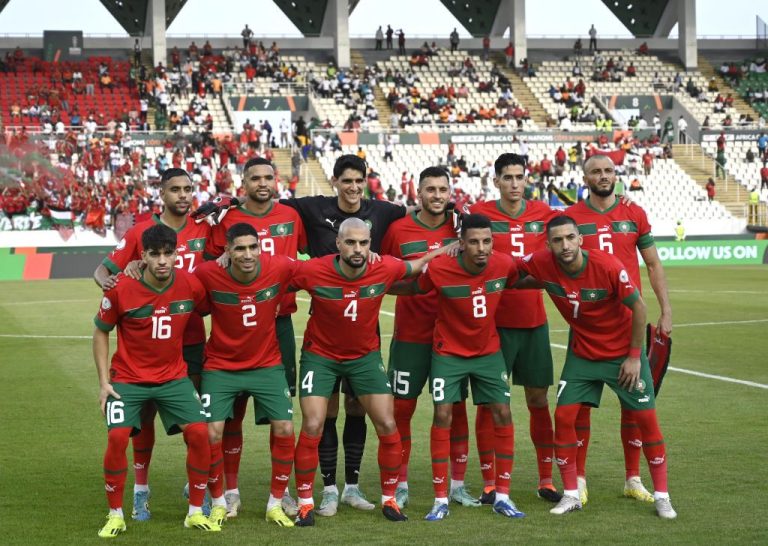
Morocco are walking into AFCON 2025 feeling like a team that finally knows what they’re capable of. They’ve been scoring freely and defending with tournament maturity. The main reason for excitement is simple: they now look balanced, confident, and ready for a long competition without melting down. Being hosts gives them both comfort and huge spotlight pressure to handle.

Morocco have been one of Africa’s hardest sides to beat in 2024. They have embarrassed opponents in qualifying, notched massive goals and constructed an unbeaten competitive streak. Because they earned hosting status early, they skipped AFCON qualification entirely. This valuable time allowed the coaching staff more flexibility for essential squad building through friendlies.

Regragui’s incredible World Cup 2022 semifinal run will be remembered for years but that won’t be all about nostalgia at the 2025 AFCON – this is also a critical opportunity to demonstrate consistency and desire.

Morocco are no longer a side built only on wide brilliance. Instead, they now carry midfield duelers, defensive leaders, and one of the continent’s most influential captains: Achraf Hakimi.

Morocco’s Recent Form Going Into AFCON 2025

Morocco have been getting results that truly turn heads, even in non-televised qualifying windows. For example, they hammered Congo 6–0 in June 2024 and then pushed Zambia aside 2–1 in the same international break. That counts as eight goals across just two competitive qualifiers. The scoring didn’t stop there, either.

In the Africa Cup of Nations Group C qualifying path, they previously blitzed Lesotho 7–0 and posted a stunning 5–1 away result at Gabon. Therefore, Morocco currently attack without mercy while meticulously protecting their shape. Their style is aggressive but controlled.

Their defensive numbers beautifully complement the strong attacking output. They conceded only a few goals across six recent competitive qualifiers, clearly showing mid-game control and spacing maturity. This level of discipline means they rarely stretch unless a deliberate press call is made. Nevertheless, this back four has shown it can survive tempo changes, recover positioning quickly, and look comfortable under pressure.

This 2024 streak includes some tricky micro lessons too, which is very helpful. Even when dominating Gabon away, they conceded an early transitional error goal. Yet, they closed the door quickly after halftime and adjusted their spacing to reduce central exposure. They also maintained chance creation from overlaps instead of forcing narrow entries, which shows tactical maturity.

The Coach Who Is Shaping Morocco: Walid Regragui

Walid Regragui has been the man in charge since 2022. He promised structure, identity, and tactical fairness across all player profiles when he walked in. His signature moment, of course, was the semifinal run at the World Cup 2022. He made a solid wall from his defence, favoured transitions and had one of the lowest concession records in the event.

Morocco conceded only twice in six games during that successful World Cup. Still, AFCON 2025 is a new test for tactical repetition on African soil. The margins here are always tighter, and the officiating is often softer than on the world stage. Consequently, Regragui must prove that his system works consistently against different styles of pressure.

His tactical DNA fits the demands of tournament football perfectly. Specifically, he builds a compact center-spine spacing and attacks once the opposition pass breaks their shape. He funnels initial buildup wide before reliably releasing overlaps instead of forcing central plays.

However, Regragui’s biggest win has been man management. He united big Europe-based profiles into a Moroccan tournament identity without any ego friction. This prevents individual breakdowns right when pressure spikes in a match.

Achraf Hakimi: Morocco’s Captain, Morocco’s Icon

Achraf Hakimi is the biggest football star in this generation of Morocco players. He acts as a key tournament leader who shapes Morocco’s psychological identity. Leadership credibility comes from being trusted in huge European competitions too, which he has done at top clubs across Spain, Germany, Italy, and France.

Crucially, this is the Moroccan armband, meaning extra emotional duty and vocal responsibility. His Morocco role acts like a bonus winger whenever transitions fire.

For instance, when Morocco recover the ball, Hakimi pushes high immediately to stretch the opponent’s shape. Midfielders then quickly hunt his release lane. Admittedly, this aggressive positioning adds creative risk, yet his elite recovery speed covers most mistakes quickly. His switches of play give Morocco a direct exit when high pressure smothers their buildup.

He opens play like a tempo valve, which gives Morocco positional freedom without forcing unnecessary central density. He also brings genuine fan closeness, with a personality that carries emotional relatability without forced theatrics.

Ayoub El Kaabi: One to Watch

The AFCON 2018 Golden Boot winner’s performances were spectacular in spite of the fact that El Kaabi’s career had declined until 2023 due to injuries.

When at Olympiakos FC, El Kaabi was the best player in the top division, and then also the top scorer of the 2023-24 UEFA Europa Conference League with eleven goals, and the top scorer of the 2024-25 UEFA Europa League, scoring 7 in eight games.

Thus far, he has used his ability to move between center backs wisely, which is a major advantage for him on progressive passes in windows. Morocco needs proven finishers they can trust, not surprise forwards who collapse under loud stadium energy.

His excellent instincts might give Morocco a goals insurance policy if transitional lane attacks deliver controlled entries. Morocco’s attacking width normally decides exactly how many chances the striker sees. Consequently, El Kaabi must stay sharp, not greedy, because sharper wins tighter finals than flashy. He already scored historic big tournament goals and looks entirely comfortable with noise.

  • Clinical finishing angles
  • Smart movement between defenders
  • Aggressive box hunger at ball recovery
  • Composure during physical duels
  • Rare tournament pedigree value

Morocco Squad Depth & Key Players for AFCON 2025

The Morocco AFCON 2025 group is more a structure that has some validity beyond its mere compilation of players. For example, in goal, Bono reliably provides secure distribution and leadership calm from deep areas. On the left of the back four, Noussair Mazraoui adds defensive flexibility and inverted buildup support. Furthermore, center-back leaders like Nayef Aguerd ensure that aerial coverage and defensive duels are consistently answered quickly.

Off the bench, Morocco can call on profiles used to creating different tactical phases. Sofiane Boufal gives narrow attacking lane creation when wingers need rotation or a tempo change. Meanwhile, Ismael Saibari brings fresh legs and direct ball progression from midfield to wide areas late in matches. Abde Ezzalzouli is an explosive wide duel and dribble profile used to carrying progressive entries on tight ground.

This balance gives Walid Regragui’s Morocco rare, reliable gear-switching control. This team blends youth promise with senior stability, which gives the coach advantage to adjust his shape and rotation depending on opponent tempo, crowd noise, stage stakes, and heat.

Morocco Tactics, Formation & Identity at AFCON 2025

Morocco typically lines up in a flexible 4-3-3 or occasionally a 4-2-3-1. The true secret is Morocco’s remarkable ability to press without compromising its vital defense spacing.

If the midfield misses pressing triggers, the pivot collapses back instantly to close the central lanes. This discipline is what defines their high-level identity. Therefore, here is the tactical identity Morocco are carrying into the tournament:

  • In possession: Circulate, and then hunt the vertical switch. Pin fullbacks high with wingers. Invert a fullback to support buildup if needed. Wait for the funnel, then push box entries fast.
  • Out of possession: Sit compact, then fire on a trigger. Press aggressively only if rest defense is safe. Force opponents wide into slower lanes. Win the second ball early to slow shape escapes.
  • Transition identity: Recover, connect, overlap, release, score. Keep spacing between fullback and pivot. Avoid early forcing, attack late release spaces.

Morocco squad for AFCON 2025

Goalkeepers: Yassine Bounou (Al Hilal), Munir El Kajoui (RS Berkane), El Mehdi Al Harrar (Raja Casablanca).

Defenders: Achraf Hakimi (Paris St-Germain), Mohamed Chibi (Pyramids), Jawad El Yamiq (Al-Najma), Romain Saiss (Al Sadd), Abdelhamid Ait Boudlal (Rennes), Nayef Aguerd (Marseille), Adam Masina (Torino), Noussair Mazraoui (Manchester Utd), Anass Salah-Eddine (PSV Eindhoven).

Midfielders: Oussama Targhalline (Feyenoord), Sofyan Amrabat (Real Betis), Ismael Saibari (PSV Eindhoven), Neil El Aynaoui (AS Roma), Bilal El Khannouss (Stuttgart), Azzedine Ounahi (Girona).

Forwards: Brahim Diaz (Real Madrid), Ilias Akhomach (Villarreal), Chemsdine Talbi (Sunderland), Youssef En-Nesyri (Fenerbahce), Ayoub El Kaabi (Olympiakos), Soufiane Rahimi (Al Ain), Abdessamad Ezzalzouli (Real Betis), Eliesse Ben Seghir (Bayer Leverkusen).

Morocco Group A Outlook & Tournament Hopes

Morocco is the team to beat in Group A at AFCON 2025. They occupy space like a team that wants to strike early and kill rhythm for opponents using width. Yet, Group A opponents will likely try to clog central lanes and force severe patience tests on the hosts. Because of that, midfield calm must arrive fast.

This Moroccan generation feels significantly calmer than past cycles. They consistently push a compact center setup, and then punish space late in the game. Being hosts also gives Morocco fewer travel legs early, which helps squad rotation without draining vital stamina. The bracket path grows clearer if Morocco top their group, as this helps avoid heavyweight matchups too early.

AFCON Historical Performance: Morocco AFCON Legacy

Morocco did enjoy some good results but also setbacks throughout its past at AFCON. In 2004, the team also came within a second title but eventually lost to Tunisia. Before that, the team finished third twice more (in 1980 & 1988).

Throughout history, Moroccan teams used tremendous wing play combined with a group of very solid defenders to be able to perform well in the tournament. However, they often suffered from inconsistent midfield coverage and a tendency for too much forcing early in the tournament chain.

In contrast, 2022 drastically changed the global respect narrative for Moroccan football. It made Morocco believe they can play giants and win structure battles effectively. AFCON trophies, however, require more than World Cup arcs; they need game-to-game spacing control. Ultimately, this cycle feels stronger because they have better pivots underneath fullback height.

Moroccan Supporters & Stadium Factor

Moroccan supporters are famously relentless inside the stadium; they genuinely don’t stop making noise. Still, emotional pressure travels too if early goals do not land quickly. Morocco look mentally built to carry that kind of pressure this time, though. The home crowd stays engaged even in tactical stalemates, pushing tempo shifts with vocal energy instead of negativity.

Fixtures at home help Morocco schedule recoveries, rotations, rest, and training without debilitating travel fatigue. Nevertheless, tactical tempers can break quickly when stadium noise rises to a fever pitch. Morocco have the tools to turn that into a strong advantage.

If Morocco use the noise as a tempo weapon, and not a panic trigger, their Group A dominance can easily travel into the knockout nights too. Morocco are also comfortable killing opposition rhythm by circulating play wide when possession grows flat. Stadium energy pushes both overlaps and passing bravery in key moments.

Form Doesn’t Guarantee Trophies, But Morocco Look Built for One

Morocco’s 2024 form strongly suggests dominance is possible. Tournament football always tests center calm more than wide brilliance alone, however. Morocco’s main challenge might be the patience needed to unlock opponents when low blocks clog wide funnels. Midfield rest defense matters more than fans often appreciate.

Penalty night composure consistently travels with Achraf Hakimi’s quiet leadership. Furthermore, Ayoub El Kaabi gives them proven box hunger finishing when chances are rare. Nothing is ever automatic in AFCON knockout nights. Yet, if Morocco’s scoring comfort and center spacing calm travel reliably into the elimination games, they have a genuine case for the trophy.

Final Prediction

Morocco will confidently top Group A and reach the semifinals. They have a real chance to go all the way if they can successfully unlock low blocks without losing spacing during phase switches.

The penalty shoot-out format favors the team that does not break down under pressure, and Morocco appear to be mentally prepared to sustain their high level of energy as they have produced a quality finisher in the form of Ayoub El Kaabi who has an impressive track record of finding the back of the net in tight spaces.

Categories
Football

Uganda Cubs Qualify for 2025 AFCON | Historic Achievement

Uganda Cubs Qualify for 2025 AFCON | Historic Achievement

Winning the TotalEnergies CAF U-17 Africa Cup of Nations (AFCON)—CECAFA qualifications is a historic achievement for the Uganda U17 national football team, also known as the Uganda Cubs.

Coach Brian Ssenyondo led the team to demonstrate tenacity and will, overcoming a 1-0 deficit to guarantee an exciting 2-1 triumph against Tanzania in the final match staged at Nakivubo Hamz Stadium in Kampala.

A Historic Double for Uganda in Morocco

With the Uganda Cubs joining the Uganda Cranes in Morocco next year, the country is set to shine brilliantly on the largest stage of African football. Coach Paul Put’s Uganda Cranes had already guaranteed their senior AFCON qualifying earlier in November 2024.

These dual qualifications mark one moment in Ugandan football history, reflecting the fact that several years have been invested in grassroots development coupled with national training programs.

  • U17 Tournament Dates: 30th March – 19th April 2025
  • Senior AFCON Dates: December 21, 2025 – January 18, 2026

With all these tournaments converging in Morocco, Uganda will have a great avenue to show its prowess in football at different levels.

The Journey to AFCON: Dominance in CECAFA Zonal Qualifiers

The trip to the 2025 AFCON was not an easy way out for the Uganda Cubs. Pitted against a highly competitive CECAFA Zonal Qualifier, the other teams were ready for themselves to make a case in their quest for representation.

The Cubs showed why they are considered one of the top teams in the region in the final clash against Tanzania. The match at Nakivubo’s iconic Hamz Stadium was a masterclass in both offensive and defensive play as swift ball movement, strategic positioning, and clinical finishing overwhelmed their opponents for a 2-1 decisive victory.

Key highlights from the match:

  • Early Goals: The Cubs struck early, putting Somalia on the back foot and setting the tone for the match.
  • Standout Performances: Several players rose to the occasion, with the forward line delivering precision strikes and the defense maintaining composure under pressure.
  • Tactical Mastery: Coach Brian Ssenyondo’s strategies proved instrumental, enabling the Cubs to dominate every aspect of the game.

Uganda’s Rising Football Legacy

Basically, the successes of Uganda Cubs show testimony of existing growth and development in Ugandan football, which in the last ten years, in terms of growth and development of the future talents through the:

  1. Grassroots Development Programs: There are initiatives that focus on the identification and training of young players from an early age.
  2. Investment in Coaching: There are initiatives that focus on the identification and training of young players from an early age.
  3. Infrastructure Improvements: Development in training centers and stadiums gave players a much-needed boost for training and preparation.

These efforts have culminated in dual qualifications for the 2025 U17 AFCON and senior AFCON, signaling a bright future for Ugandan football.

Key Players to Watch

The Uganda Cubs’ journey to AFCON has been fueled by the remarkable performances of several players who have emerged as stars during the qualifiers.

  1. The Playmaker

It is creative midfielders, able to sniff out goals, who have dictated the pace of the game while creating goalscoring opportunities.

  1. The Defensive Wall

Anchoring the backline, the defense has been a standout performer, ensuring the Cubs remain resolute against opposition attacks.

  1. The Clinical Attack

The attack has been the Cubs’ top goal-scorer, converting opportunities with ease and precision.

Building Momentum for Morocco

Preparations for the 2025 AFCON would already be underway for the Cubs, so attention would fall to strategizing and working on their shortfalls. Competition against some of the best U17 teams in Africa requires:

  1. Enhanced Fitness Levels: Ensuring players can maintain peak performance throughout the tournament.
  2. Tactical Adaptability: Preparing for a variety of playing styles that the Cubs will encounter in Morocco.
  3. Mental Toughness: Building the confidence and composure needed to succeed on the continental stage.

Why Uganda’s Success Matters

Qualifying for the 2025 AFCON is not just about football; it’s an inspiration to young athletes across Uganda. This has been a testament to what hard work, teamwork, and strategic planning can achieve.

This is a moment of pride and excitement among the fans. The Ugandan football is indeed on the rise, and the Cubs’ success is testifying to this nation’s impressive, individually growing influence in African sports.

Stay Updated

For fans eager to follow the Cubs’ journey, regular updates will be provided on:

  • Upcoming Matches: Fixtures and results from the CECAFA U17 final and the 2025 AFCON.
  • Player Profiles: In-depth features on the Cubs’ standout performers.
  • Training Updates: Insights into the team’s preparation for Morocco.

A Bright Future for Ugandan Football

The fact that the Uganda Cubs qualified for the 2025 AFCON makes the country proud since it highlights the outstanding potential and will of its young football players. The Cubs reflect the ambitions and dreams of millions of Ugandans, as they get ready to compete on the continental level.

As the Uganda teams seek victory in the CECAFA U17 final and the 2025 AFCON, let us unite behind them. Their path is still long ahead, and Ugandan football seems to be in more promising form than ever.