
Categories
Football

FIFA Forward Programme: How $1B+ Is Shaping African Football

FIFA Forward Programme: How $1B+ Is Shaping African Football

FIFA Forward Programme Invests $1B in African Football

Since 2016, FIFA Forward Programme has invested more than a billion dollars into African football. The money has gone to pitches, academies, competitions, and day-to-day assistance for the 54 member associations of Africa. The programme, however, is much greater than the sums it will finance: it is in fact a wide-ranging programme for creating avenues for players, coaches, and communities, which can be neglected.

What is the FIFA Forward Programme?

FIFA launched the FIFA Forward Programme in 2016, it’s biggest-ever development plan. The idea is simple: to make funding easier to follow, better understood, more predictable, and lead to more accountability for its 211 member associations (MAs) and the six confederations. Instead of small, one-off donations, each MA would receive assured help for a four-year season.

It spreads over three main heads:

  • Infrastructural projects, such as training pitches and headquarters.
  • Competitions and youth development which give players more chances to play.
  • Operational costs which will enable associations to get more running in the course of the year.

In giving all MAs equal access to this money, FIFA are seeking to reduce the gap in this respect between the traditional strongholds of football and the smaller countries.

How FIFA Forward Funding Works

In the case of this programme every member association is provided with a fixed annual allocation of funds which can be increased if it complies with certain standards of accountability and acceptable conduct expectations. The Confederation of African Football (CAF) and its zonal unions also have set portions of land given them.

The money allotted can be used for:

  • Building building or completing stadiums or training grounds.
  • Forming youth competitions and those for women.
  • Running grass roots initiatives such as Football for Schools.
  • Paying the people in various spheres of activity such as staff, referees, and administrative officers.

Associations must provide extensive project plans with regular audits. FIFA also tracks the results to make sure the funding produces visible results rather than simply announcing them.

FIFA Forward Programme in Africa: The Numbers

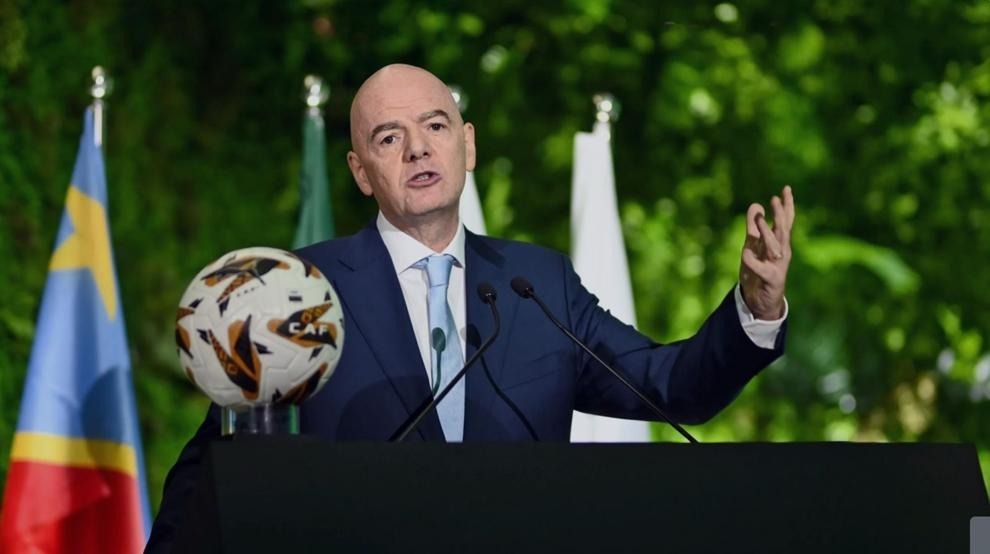
FIFA President Gianni Infantino, at the 47th CAF Ordinary General Assembly in Kinshasa, stated that unprecedented levels of investment had been made in Africa.

  • USD 1.06 billion has been invested between 2016 and September 2025.
  • By the end of this cycle in 2026, it is estimated that the total will be USD 1.28 billion.
  • Of that, USD 1.08 billion will go directly to Africa’s 54 MAs.

CAF President Patrice Motsepe called it a turning point for African football. The funds have already resulted in hundreds of new opportunities for players and coaches, while at the same time stabilizing the member associations from a financial point of view.

On-Pitch Impact

Infrastructure underpins everything, but it is from what is done on the pitch that the real progress is measured. Infantino explained how African clubs are now gaining greater exposure for their teams due to the extension of tournaments.

  • Four African clubs – Al Ahly, Espérance de Tunis, Mamelodi Sundowns and Wydad AC – participated in the FIFA Club World Cup 2025™.
  • Players from 19 countries of Africa participated, including 9 countries who never played in the senior FIFA World Cup: Burkina Faso, Congo, Gabon, Guinea, Mali, Mozambique, Namibia, Tanzania and Uganda.
  • There will be up to 10 African teams playing in the FIFA World Cup 2026™, whereas previously only 5 played.
  • Youth football is also increasing its participation, with 10 African teams having qualified for the FIFA U-17 World Cup 2025™ to be held in Qatar and 5 places won in the U-17 Women’s World Cup 2025™ to be held in Morocco.

This increased exposure means that players are being tried as elite players and standards in African countries are being raised. “The recent Club World Cup gave African clubs the chance to prove themselves and their talent at global level,” said Patrice Motsepe.

Football for Schools in Africa

The Football for Schools programme is another arm of FIFA’s development thrust and Africa has been one of the prime beneficiaries.

  • More than 40 countries in Africa are already engaged in this programme.
  • Schools are supplied with footballs, training apparatus and teachers’ seminars.
  • It is to emphasis football with education, so that young children are taught life skills associated with the game.

The scale is as extensive as the talent. Millions of youngsters are able to play in a safe, organised environment. Some will perhaps move on to the academies, while others will find a love for the game that will last a lifetime. Any way it is viewed, the benefits will accrue far beyond the pitch.

Governance and Accountability

One of the criticisms aimed at FIFA in the past is how development money is accounted for. The FIFA Forward Programme aimed to eradicate this by setting more stringent guidelines.

  • Each member association will present a detailed four-year plan about how to spend the money.
  • Audits will be fully independent and checks will be made on the ground.
  • If the standards of reporting are not met, then the funding can be reduced or held up.

It means that the money will not simply go into filing cabinets. It has meant better transparency and improved structures of governance in Africa. Many associations have insisted on having compliance officers for the first time, something that was rare just a decade ago.

What’s Next Through 2026

Looking ahead, this cycle in 2023 to 2026 is going to be the biggest yet for Africa. By the end of this phase:

  • Total funding is going to exceed USD 1.28 billion.
  • At least 20 FIFA Academies will be operational across the continent.
  • More schools will be included in the Football for Schools programme with a desire to make it cover all 54 MAs.
  • The increase in the number of World Cup slots will allow more nations the chance to shine at the highest level.

Infantino has insisted: it is not just about participating but rather these nations are to be successful. With improved facilities, coaching and opportunities the nature of African football will be to compete very much more evenly with others at the very highest level.

Categories
Football

Fahad Aziz Bayo Compensation: FIFA Awards $55,000 to Ugandan Star

Fahad Aziz Bayo Compensation: FIFA Awards $55,000 to Ugandan Star

Fahad Aziz Bayo Compensation: FIFA Awards $55K to Ugandan Star

Fahad Aziz Bayo Compensation. In a landmark decision echoing throughout all areas of world sport, FIFA ordered Czech club MFK Vyškov to compensate Ugandan attacker Fahad Aziz Bayo $55,000. Especially for players from underprivileged communities, the ruling underlines FIFA’s growing emphasis on player rights.

Why FIFA Ruled in Favor of Fahad Bayo

The issue originates from MFK Vyškov’s sudden and unwarranted cancellation of Bayo’s contract. FIFA’s Dispute Resolution Chamber found on February 26, 2025, that the club violated international labor regulations as well as football governance criteria by breaching the agreement without reasonable cause.

📄 According to the ruling:

  • There was no performance clause breach.
  • No disciplinary issue was cited.
  • No mutual agreement for termination was reached.

Considering these elements, FIFA gave MFK Vyškov 45 days to either pay the player or face a transfer restriction for as much as three windows.

The Significance of the $55,000 Compensation

$55,000 may seem like nothing in a society where elite transfers include millions of dollars. For Bayo and many other players like him, though, this payment signifies justice, acknowledgment, and dignity.

💰 The amount equals approximately UGX 209 million, a life-changing sum that:

  • Validates Bayo’s rights as a professional.
  • Supports his recovery and next career step.
  • Shows smaller clubs that contractual obligations matter, regardless of geography.

For young African players dreaming of success abroad, this sends a powerful message: your rights are protected.

Who Is Fahad Aziz Bayo?

Originally from Uganda, Fahad Aziz Bayo has built a respectable career all around the world. A well-known forward for the national team, the Uganda Cranes, he has competed in leagues all throughout Uganda, Israel, and the Czech Republic.

⚽ His key career highlights:

  • Formerly played for Vipers SC in Uganda.
  • Had a stint in Israel with Ashdod FC.
  • Signed with MFK Vyškov had high hopes before the contract dispute derailed his momentum.

The unjust contract termination not only threatened his income but also his professional reputation and future contracts. FIFA’s ruling goes a long way in restoring his career trajectory.

A Closer Look at FIFA’s Dispute Resolution Process

So how did FIFA reach its decision? The Dispute Resolution Chamber (DRC) is a body that handles conflicts involving

  • Transfer disputes
  • Contractual disagreements
  • Breach of player or club obligations

Here’s how the process typically works:

  1. Submission of documentation by both parties.
  2. Review of contracts and communication history.
  3. Assessment of the breach and if “just cause” exists.
  4. Issuance of a ruling, which may include:
    • Financial penalties
    • Transfer bans
    • Suspension of player registration

In Bayo’s case, the club failed to justify the contract termination with any valid reason. The result? A swift and clear decision from FIFA in favor of the player.

🧑‍⚖️ “This ruling is important because it upholds the integrity of the sport. Contracts are not suggestions—they are binding agreements,” said a sports lawyer familiar with the case.

Implications for MFK Vyškov

The decision doesn’t just hurt MFK Vyškov’s wallet. The reputational damage may linger even longer.

If the club fails to pay:

  • A transfer ban will kick in.
  • They’ll be unable to register new players for three windows.
  • This could damage relationships with future talent, agents, and partner clubs.

🚫 For a smaller European club, the loss of access to the transfer market could be crippling. It also pressures them to reassess how they handle international signings, particularly from Africa and other emerging football regions.

Legal Precedent & Global Implications

This isn’t the first time FIFA has intervened in favor of a player from the Global South—but it’s one of the more publicized rulings involving Uganda.

Other cases where FIFA enforced similar judgments include:

  • A Senegalese player was wrongly dismissed by a Turkish second-tier team in 2021.
  • A Ghanaian midfielder whose contract was abruptly ended by a Cypriot club in 2023.

What makes Bayo’s case unique is how clearly it showcases FIFA’s evolving stance toward protecting players from regions often overlooked or undervalued.

How This Impacts Ugandan Football

This ruling is more than just a personal win for Bayo—it’s a symbolic victory for Ugandan football.

🇺🇬 Here’s how it benefits the local football scene:

  • Boosts the credibility of Ugandan players internationally.
  • Encourages more young players to pursue professional careers abroad.
  • Sends a message to foreign clubs that Ugandan athletes have institutional protection.
  • Increases confidence among agents and academies in Uganda to facilitate international moves.

Additionally, the Uganda FA can use this case to educate local players about their rights, legal options, and the importance of written contracts.

Reaction from the Football Community

While this case may not grab headlines in Europe, it’s a big talking point across Africa. Agents, fans, and even local sports authorities perceive this case as a significant turning point.

🗣️ “It shows the system works if you trust the process,” said a Kampala-based football agent. “More players now feel empowered to fight for what’s rightfully theirs.”

Social media channels in East Africa have also lit up with support, praising Bayo for standing up for himself and calling FIFA’s actions fair and necessary.

What This Means for Football Agents

For agents representing African players, the ruling offers a new layer of protection. It proves that FIFA’s regulatory system is accessible and effective, even when dealing with relatively small contracts or lesser-known clubs.

🔍 Takeaways for agents:

  • Insist on clear, enforceable contracts with overseas clubs.
  • Maintain thorough communication records.
  • Understand FIFA’s DRC procedures and prepare clients for them.
  • Encourage players to report contract issues early.

This decision could empower a new generation of African agents to negotiate better deals, demand accountability, and pursue justice confidently.

What’s Next for Bayo?

With the ruling in hand, Fahad Aziz Bayo can now focus on rebuilding his career. Reports suggest that interest from clubs in North Africa and the Middle East has surged following the news.

✅ Possible outcomes:

  • He receives the $55,000 within the 45-day window.
  • His career resumes with a stronger negotiating position.
  • He becomes a symbol of player rights advocacy in Uganda.

If MFK Vyškov defaults on payment, Bayo can request further sanctions, including interest penalties or wage protection measures through national associations.

Final Thoughts: A Milestone in Football Governance

The Fahad Aziz Bayo compensation ruling isn’t just about the money. It’s about respect, legal accountability, and shifting power dynamics in global football.

⚖️ For Bayo, this is a personal win and professional reset.
🏛️ For FIFA, it’s a reaffirmation of their role in ensuring fairness.
🌍 For underrepresented players everywhere, it’s a hopeful sign that the system can work in their favor.

This moment will likely be remembered in Uganda and beyond as a milestone for player protection and perhaps even a turning point in how emerging-market talent is treated by global clubs.

Categories
Football

FIFA Uganda Football Funding: $250M Solidarity Payments

FIFA Uganda Football Funding: $250M Solidarity Payments

FIFA Uganda Football Funding: $250M Boost to Local Football

FIFA Uganda Football Funding. A $250 million solidarity fund is expected to greatly help Ugandan football teams.  This project is a component of a bigger $1 billion prize fund meant to assist teams not directly participating in big events.

The money will provide clubs missing direct tournament income much-needed financial relief.  It will also assist in enhancing programs for young development all throughout the nation and infrastructure.

The emphasis this year is on making sure the advantages find their way down to local levels.  The project intends to provide a sustainable future for the sport in Uganda by means of investments in these spheres.

Overview of the 2025 FIFA Club World Cup Expansion

The 2025 Club World Cup represents a historic shift in world football dynamics.  Taking place in the United States from June 14 to July 13, 2025, the competition will grow to a 32-team configuration this year.  This shift marks a major shift in the competitiveness since it gives more teams the opportunity to take part in international events.

The enlarged organization seeks to foster some more open and competitive surroundings.  Every continent’s clubs will have the chance to highlight their skills, thereby promoting international sportsmen’s solidarity and development.  This action is supposed to improve play quality and boost fan involvement all around.

Strategically, the growth is quite important for the financial structure related to football evolution.  More income sources resulting from higher involvement allow grassroots projects and infrastructure to be reinvested.  Clubs in areas like Africa, where resources are sometimes few, especially depend on this financial increase.

For African teams—including those from Uganda—the growth creates fresh opportunities.  It raises their competitiveness and offers a stage for international exposure.  Long-term advantages, including better training facilities and more robust youth programs, could follow from this knock-on effect.

FIFA Uganda Football Funding: What You Need to Know

A $250 million project is meant to change the scene of sports growth in the area.  This funding seeks to support events and clubs sometimes disregarded in big competitions financially.  The range of the project is meant to guarantee long-term advantages for nearby populations.

Key Financial Figures

The $250 million fund is part of a larger $1 billion initiative. Infrastructure and young development initiatives are projected to be greatly impacted by this budgetary increase.  The important financial numbers are broken out below:

Category

Amount

Infrastructure Development

$100 million

Youth Programs

$80 million

Club Support

$50 million

Administrative Costs

$20 million

Allocation of Solidarity Payments

The procedure of allocation guarantees equitable and efficient distribution of the money.  The foundation of this project is openness and responsibility.  Funds are separated into particular groups to best effect:

  • Development of Infrastructure: Improving facilities to satisfy international norms
  • Young Programs: Funding young athletes’ training and growth.
  • Club Support: Giving nearby groups operating expenses financial help.

The project structure guarantees effective utilization of the available resources.  Mechanisms for reporting and frequent audits help to keep responsibility.  This strategy ensures that the funds’ intended recipients get their advantages and produces a long-lasting effect.

Economic Benefits to Ugandan Football Clubs

Sports infrastructure investments are changing the direction local teams will travel.  Improved facilities go beyond mere better playing conditions.  They also lay a basis for sustainability and long-term expansion.

Infrastructure and Youth Program Funding

Modernized infrastructure immediately helps programs aimed at young development.  Improved training facilities and tools help young athletes to properly develop their talents.  This investment guarantees a consistent flow of talent for the next generations.

Additionally, getting a big boost are young programs.  Money is going toward mentoring, education, and coaching.  These initiatives seek to produce well-rounded athletes ready for higher level competition

Club-Level Economic Growth

At the club level, the financial infusion is promoting local economic development.  Teams can now afford improved operational tools, personnel, and facilities.  This starts a domino effect that helps the whole neighborhood.

Improved facilities attract more fans and sponsors. This then creates other income sources.  By reinvesting this money into more development, clubs help to create a growth cycle.

These advances transcend the present as well.  They create the foundation for a more robust, fiercely competitive sport ecology.  The long-term advantages will show themselves for the next generations.

Tournament Structure and Schedule: 32 Teams in the U.S.

Hosted in the United States, the 2025 tournament brings a new 32-team structure.  This growth represents a major change in the global sports scene since it gives more teams the opportunity to play internationally.

Key Dates and Locations

Running from June 14 to July 13, 2025, the event will generate a month of fierce competition.  The games will be hosted by major American cities, including Miami, Los Angeles, and New York, as well.   This deliberate decision guarantees greater fan involvement and worldwide awareness.

The 32-team structure is meant to give clubs all over more chances.  Including additional teams helps the event to promote diversity and improve the level of performance.  Through more income sources, this structure also generates a ripple effect that helps both involved and non-involved clubs.

Logistically, the U.S.’s hosting offers a focal point for foreign travel.  This guarantees easy participation for teams from every continent as well as for supporters.  The year-long getting ready also emphasizes the dedication to provide an event of world quality.

This tournament system directly relates to more general funding programs.  Higher involvement allows more resources to be spent into infrastructure and grassroots initiatives.  These kinds of expenditures guarantee sustainability and long-term expansion for the sport globally.

CAF’s Role and Negotiations for African Football

The direction of the game in Africa is much shaped by the Confederation of African Football (CAF).  By means of calculated talks, CAF seeks to provide African teams and clubs more chances in international events.  Encouragement of development and competitiveness in the area depends on these initiatives.


Negotiating More African Slots

Increasing the number of spots given to African teams in international events is one of CAF’s main objectives.  This action guarantees more representation and gives teams a stage on which to highlight their skills on the scene.  More slots mean more exposure, which can draw investments and sponsorships.

It is imperative to match national team interests with those of CAF.  Working together, they may develop a cohesive plan that advances the nation as well as club.  This cooperation improves the general sport ecology in Africa.

Long-Term Effects on Football Development in Uganda

The core of our project is young empowerment and community-uplifting action.  The project intends to have a long-lasting effect on sports development by concentrating on sustainable routes.  This strategy guarantees long-term development by making sure advantages go beyond only quick profits.

Community and Youth Empowerment

One of the main results of this project is the change of nearby areas.  Improved infrastructure offers more suitable training and competition venues.  This raises the caliber of play as well as gives young sportsmen chances to flourish.

A pillar of this endeavor is young initiatives.  Through mentoring, education, and coaching investments, the project produces well-rounded athletes.  These initiatives provide young people with abilities both on and off the field, therefore empowering them.

The table below highlights the key areas of investment and their long-term benefits:

Area of Investment

Long-Term Benefits

Infrastructure Development

Improved facilities for training and competition

Youth Programs

Skilled athletes and community leaders

Community Initiatives

Stronger social bonds and local pride

These initiatives go beyond the here-present.  They set the foundation for a more robust, fiercely competitive football scene.  The long-term advantages will be experienced by the next generations, therefore guaranteeing a better future for the sport and its associated communities.

Wrapping Up Financial Prospects for Uganda’s Football Future

The financial scene for sports in the area is looking to be transforming.  Driving development mostly are the $250 million project and the expansion of the 2025 tournament.  These initiatives seek to build infrastructure, young programs, and club performance, establishing a sustainable ecosystem.

Strategic discussions by CAF have been quite helpful in guaranteeing additional chances for African participation.  This guarantees that advantages go beyond quick profits and promotes long-term competitiveness.  Better facilities and young development initiatives will equip the following generation of sportsmen.

These projects will greatly affect the national team and the larger sports scene going forward.  Investing in infrastructure and talent will help the area to have a better future in world sports.