
Home » African Football
African Football and Culture: The Game That Shapes a Continent
African Football and Culture Go Hand in Hand
African football and culture are one. All over Africa, the game is more than just ninety minutes of play. It is a sign of pride, of who you are, of joy, and even of hard times. From small dry fields to the big games of the Africa Cup of Nations (AFCON) and the FIFA World Cup, football shows the heart of Africa.
Everyday Football, Everyday Life
In Africa, football is not just for big fields. People play it on the sand, in small streets, and in open land. Kids in Mozambique kick balls made of old cloth. In Burkina Faso and Somalia, street games start up each day. Football is all over because you need so little. You just need a ball, some room, and the want to play.
Day to day football in Africa is fun, a test of who is best, and a show of being strong. For many people, a short game is a time to get together, laugh, and show who they are.
From Villages to Nations: Football as a Cultural Force
Football is more than just a fun thing to do. It brings people together. Africa has hundreds of languages, many tribes, and many traditions. However, when a national team, the game is a sign of pride.
- Cameroon’s Indomitable Lions have long been celebrated as cultural icons.
- Nigeria’s Super Eagles spark songs, styles, and even political slogans.
- South Africa’s 2010 World Cup, loud with vuvuzelas, showed the beat and joy of Africa to all over the world.
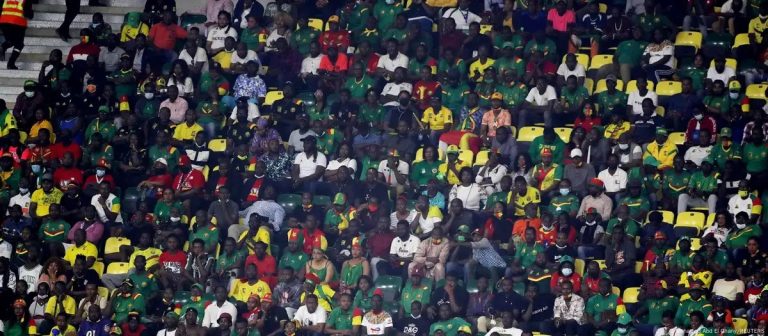
Football makes all feel like part of a large group. For many in Africa, when they cheer for their team, it is a time when all tribes and all groups come together with one flag.
Passion Versus Business
The love for football in Africa is strong. But it can be at odds with the big money side of the sport. The leaders of Rwanda and DR Congo have spent a lot of money on teams in Europe. The words “Visit Rwanda” were on the shirts of Arsenal, PSG, and Bayern Munich. DR Congo signed big money deal with Barcelona.
Nevertheless, these deals make people ask difficult questions. How can a poor land spend so much money on ads for football? Some people say these ads make others visit and explore the country. Other people think the money should go to schools, health improvement, and jobs.
This dilemma shows the big story of football in Africa. A real love for the game from the people is up against the big money part of the world game.
Africa as a Talent Mine
Scouts from Europe have long looked in Africa for the next big world star. Academies in Senegal, Ghana, Nigeria, and the Ivory Coast produce new stars all the time, pursuing the Euro dream. Some of the top names in the game now got their start here:
- Didier Drogba (Ivory Coast)
- Samuel Eto’o (Cameroon)
- Sadio Mané (Senegal)
- Mohamed Salah (Egypt)
Their success inspires millions of young players across the continent. Yet for every star, countless others struggle in underfunded leagues.
African domestic competitions lack infrastructure, investment, and global exposure. Stadiums are worn out, pay is small, and leaders change too much. Yet, the big chance is there. The 2022 World Cup showed this when Morocco got to the semifinals-a big win that showed Africa can play with the top.
Women’s Football: A Rising Power
African women’s football has grown rapidly. Teams like Nigeria’s Super Falcons and South Africa’s Banyana Banyana are the top in Africa. They have done well in World Cups.
However, women still face hard things. They do not get the same pay. There is not much financing for them. Their success stories mirror wider cultural battles for gender equality. Football is making it easier for women to ask for the same notice not just in this sport.
Football and Politics: More Than Just a Game
In Africa, football often flows into politics. Leaders have made use of national teams to draw people together, take minds off hard times, or show power on the world stage.
- Ghana’s first leader, Kwame Nkrumah, used football to unite the country.
- Liberia chose George Weah, a past FIFA World Player of the Year, as their president.
- In spots with fights, football games turn into rare times of calm.
The game is big because it shows a shared feeling. A win can lift up a country feeling sad. A loss can stir up talk against those in power. Football is more than just a game in Africa-it shows what the place is all about.
Football, Music, and Fashion
African football life does not end at the game’s edge. It lives in songs, dance, and fashion.
- Singers like Fally Ipupa and Burna Boy talk about football in their songs.
- Game cheers mix old drum beats with new Afrobeats rhythms.
- Game jerseys and fan items mix big world style with home pride.
When Morocco climbed up in the 2022 World Cup, cities all over Africa lit up with music, dance, and street parties.. The joy of football turned into a show of culture.
Grassroots Football: The Beating Heart
Behind every star, there’s a story from the roots. In small places, local clubs teach kids on simple fields with worn-out boots. Coaches often work for free. Parents help pay for suits.
These small places are the heart of African football. They grow not just skill but also the way to work together, see big, and reach for goals. The hope to be the next Salah or Drogba drives the young ones, but all grow from it. Even those who don’t reach the top get values and friends that stay with them for life.
The Role of AFCON
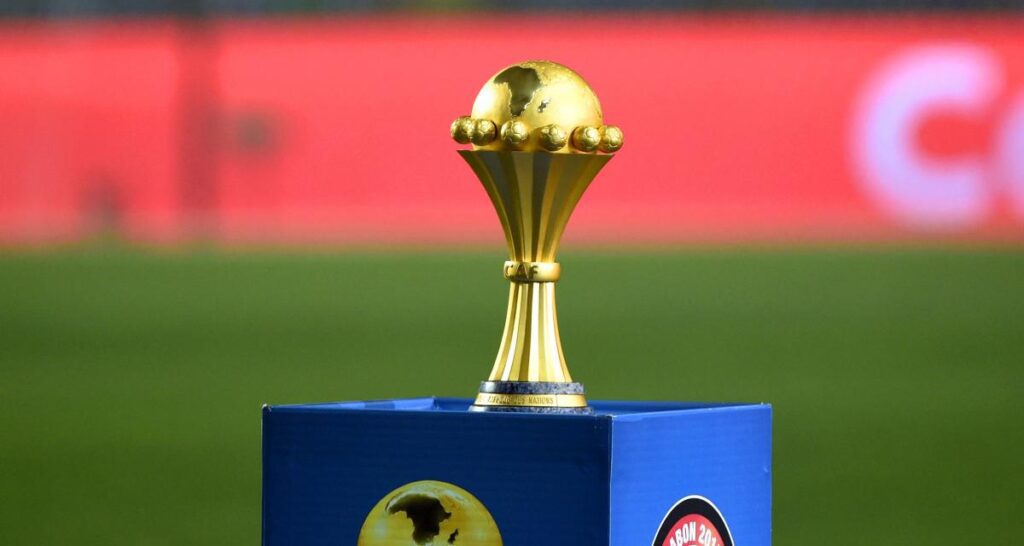
The Africa Cup of Nations is more than a tournament. It’s a show of who we are. Every two years, it puts a spotlight on how we are different and how we clash.
AFCON shows the soul of African football-full of surprise, heart, and color. For those who participate, winning AFCON can be as big as winning the Champions League. For the fans, it’s a sign that African football and culture mix as one.
Challenges Holding African Football Back
Still, there are tough spots:
- Infrastructure: Many fields need better setups.
- Corruption: Bad management hurts trust.
- Funding: Local games often need sponsorship.
- Player Exodus: Good young players keep leaving for Europe, making home games weak.
Fixing these points is key for African football to reach its high points.
Conclusion
African football and culture sit side by side. The game brings nations together, lights up dreams, and shapes identity across the continent. From small fields to the World Cup big stage, football shares Africa’s tale-of fun, hard times, and endless chances.
The next part of the story is underway. Many kids are chasing balls on beaches and dusty paths. One might be the world’s next big name.