Categories
Africa Cup of Nations Football

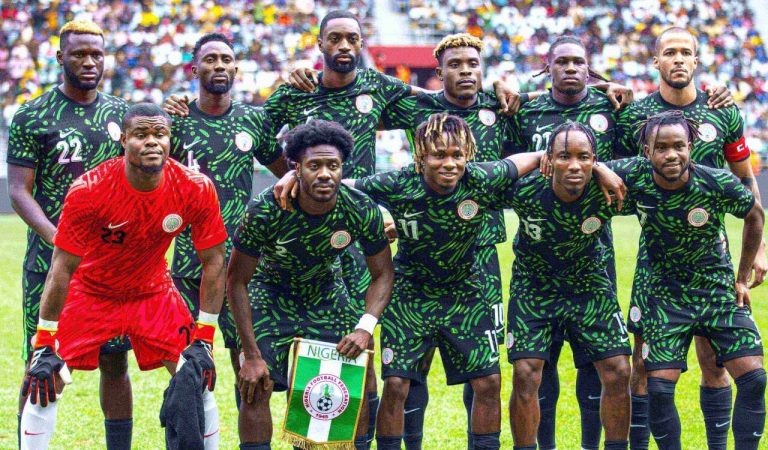
Nigeria AFCON 2025 Preview: Super Eagles Path to Glory
Nigeria AFCON 2025 Preview: Super Eagles Path to Glory

Nigeria AFCON 2025 Evaluation: Title Ambition Explained

Nigeria is finally here, stepping into this tournament with a determination that fits the sheer energy of a proper Nigeria AFCON 2025 Preview. They return with confidence, yes, but also a massive amount of pressure. They have a profound, national need to show the world they can still rise to the occasion when it truly matters.

This qualifying run definitely gave us plenty to talk about. The immediacy of it, following so closely behind the World Cup Qualifying disappointment really made this campaign stand out. Yet, it also fueled a much sharper, more focused mentality heading into this new competitive cycle.

Recent Form & Results: Breaking Down the AFCON Qualifiers

They scored 11 points, tying for first. Not only were they undefeated, but won all three of the decisive games and drew two others, losing just one game in total during the tournament.

This solid points tally was so vital. It clearly demonstrated consistency and a proper ability to convert chances when they were needed. Now, for one strange statistic: because of a travel dispute, they did gain an awarded 3–0 victory over Libya.

The final goal difference for the AFCON qualifiers was impressive, managing to score 12 goals while only conceding 4 across their six games. This absolutely showed a solid balance. It is a balance that coach Éric Chelle is obviously keen to utilize in the main tournament. The key qualifying results included:

Earlier friendlies did show clear flashes of the intended identity under the new coach, which is encouraging. Victor Osimhen looked devastatingly sharp when fully fit. Ademola Lookman arrived with fresh, undeniable confidence after his standout European club season.

Therefore, because these two elite players set that aggressive and clinical tone in attack, the team’s rhythm settles quickly and decisively whenever both are available on the pitch.

Prospects: Nigeria AFCON 2025 Preview & AFCON Predictions

Nigeria opens their challenging Group C journey as one of the tournament’s undeniable favorites. That status always sparks both intense excitement and critical debate! This is mainly because they carry one of the deepest and most talented squads in the entire competition. That sheer depth shapes nearly every early AFCON prediction model you’ll see.

The Super Eagles Group C Path includes three games (Tanzania, Tunisia and regional rival Uganda). The Super Eagles first game is versus Tanzania’s Taifa Stars; It is an essential, must win game. The Super Eagles must immediately provide the right, unbreakable tone of the tournament.

Looking at the broader picture, Nigeria’s AFCON predictions remain incredibly bright. This is strongly supported by the wealth of available match-winners in every major department. Their depth also helps immeasurably during the tight, punishing schedules of a tournament.

In conclusion, if they successfully manage their internal emotions, maintain a flawless defensive shape, and completely trust the tactical structure laid out by the coaching staff, this squad has every realistic chance to push deep into the tournament.

The Coach: Chelle’s System for Key AFCON Matches

Éric Sékou Chelle steps into this AFCON with a rapidly growing reputation. He has a coaching style developed from his experiences as a solid defender and also from successfully leading Mali to the 2023 AFCON quarter finals. As a result of his practical background, his Nigeria squads will be very organized and will have a great emphasis on controlling the transition from defense to offense.

Chelle’s communication style works exceptionally well with players, which is a huge asset. He focuses on respect, clear roles, and cohesion. He keeps instructions simple but incredibly meaningful. He repeats core principles often enough that the squad understands them deeply and clearly.

He likes saying that nothing is impossible for Nigeria. Therefore, when players believe fully in a system, tactical adjustments become far easier and quicker to execute during the pressure of AFCON matches.

The Icon: Jay-Jay Okocha’s Enduring Influence

A mainstay of Nigeria’s national team for many years, he is one of the most talented players ever to play the game and continues to be a powerful presence within it. He defined the way fans perceive and think about playmakers’ movement and expression on the pitch.

Okocha brought joy, effortless ease, and creativity at a level few others could ever match. Because heroes float well beyond numbers, his life remains embedded in cultural memory and thrilling viral highlight reels.

Younger playmakers look up to him as the ultimate creative standard. This is true even if their own styles differ based on modern tactics. Indeed, when Nigeria attacks with confidence and a sense of aggressive freedom, fans often mention his lasting, inspirational influence.

Okocha’s presence is still profoundly felt during every AFCON season. He frequently appears at public events, speaks with warmth about the team, and consistently works to energize supporters before every single big match. That emotional and historical link matters immensely! This is especially true in high-pressure tournaments where belief and national spirit can provide the necessary lift to performance.

Current Squad & Tactics: Analyzing the 4-3-3 Setup

Nigeria’s squad for AFCON brings a highly valuable blend of proven international names and exciting rising talent. This gives coach Chelle both tactical variety and necessary depth. Of the more strategic shapes, the 4-3-3 is still in there – and along with it the 4-2-3-1.

The midfield unit brings the necessary structure and connection to the entire team setup. Nigeria love attacking wide because it stretches the defensive block very well and creates those crossing opportunities that suit their strikers’ strengths.

Nigeria squad for AFCON 2025

Goalkeepers: Stanley Nwabali (Chippa United), Amas Obasogie (Singida Black Stars), Francis Uzoho (Omonia Nicosia).

Defenders: Ryan Alebiosu (Blackburn Rovers), Chidozie Awaziem (Nantes), Semi Ajayi (Hull City), Calvin Bassey (Fulham), Igoh Ogbu (Slavia Prague), Bruno Onyemaechi (Olympiakos), Bright Osayi-Samuel (Birmingham City), Zaidu Sanusi (Porto).

Midfielders: Ebenezer Akinsanmiro (Pisa), Fisayo Dele-Bashiru (Lazio), Alex Iwobi (Fulham), Usman Muhammed (Ironi Tiberias), Wilfred Ndidi (Besiktas), Tochukwu Nnadi (Zulte Waregem), Raphael Onyedika (Club Brugge), Frank Onyeka (Brentford).

Forwards: Akor Adams (Sevilla), Samuel Chukwueze (Fulham), Cyriel Dessers (Panathinaikos), Chidera Ejuke (Sevilla), Salim Fago Lawal (Istra 1961), Ademola Lookman (Atalanta), Paul Onuachu (Trabzonspor), Victor Osimhen (Galatasaray), Moses Simon (Paris FC).

AFCON Historical Performance: A History of AFCON Results

Nigeria’s history in this flagship continental tournament is deep, storied, and highly decorated. They’ve successfully won AFCON three times. For 40 years from the 70s, Nigerian teams have featured at almost every tournament held across the expansiveness of the world.

This is because Nigeria has bred multiple generations of talented African players, and they have left behind a rich heritage that will continue to live on beyond them; as such, the option for them to be one of the best teams competing in order to win a World Cup is fairly strong in nearly every World Cup.

The 1994 team are held in regard by many who continue to watch Nigerian football and are described as the “Golden Generation” of Nigeria’s soccer history. Their title triumph made sure Nigeria remained among the continent’s elite of the elite.

Their blend of resilient spirit, technical quality, and star talent usually surfaces at the most crucial moment. This is when AFCON results matter most. Supporters rely heavily on that deep-seated Nigerian resilience when imagining a deep, successful run to the final.

Ultimately, if their current discipline, Chelle’s structure, and their attacking creativity align perfectly at the right moments, this current squad has every realistic chance to push far and achieve their goal.

Categories
Africa Cup of Nations Football

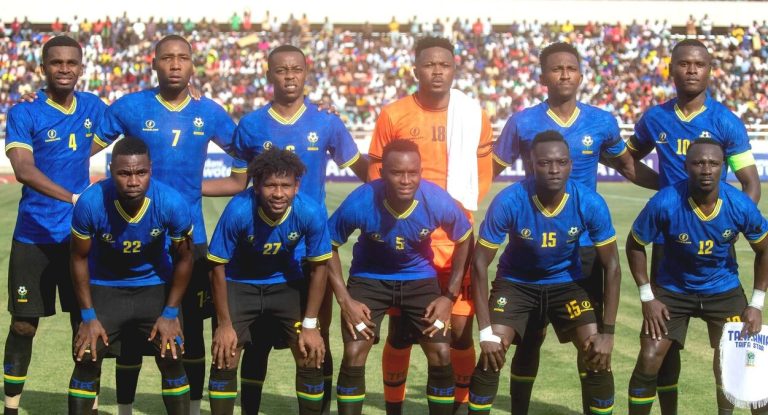
Tanzania AFCON 2025 Preview: Why the Taifa Stars are Ready to Roar

Tanzania AFCON 2025 Preview: Why the Taifa Stars are Ready to Roar

Tanzania AFCON 2025 Review: Squad Shape and Group Task

Tanzania’s football fans can hardly contain their excitement as the African Cup of Nations draws near and will be appearing in another major international tournament. With that comes an air of hope, anxiety and some degree of confidence by the Taifa Stars that something may just happen on the biggest stage of all.

The fact that the Taifa Stars have qualified for back-to-back participations in the continent’s most prestigious event, is an achievement in itself for the national team program. This demonstrates the team has demonstrated its ability to perform under extreme pressure and to do well in situations where it counts the most.

Recent Form & AFCON Qualifiers Results

They suffered lengthy spells of not scoring enough to keep their matches from feeling heavier for the fans and the players than they actually were. The fans experienced some very close games, and even some frustrating ties as supporters’ moods were tempered after a morale boosting friendly victory against Sudan in December.  

Therefore, this late spark fed the idea that this group might genuinely surprise people even if their historic AFCON results have been inconsistent.

Tanzania AFCON 2025 Review: Navigating the Pressure and Qualification Success

The group’s midfield continued to grow stronger as they were able to draw with regional rival Uganda and then later draw with regional rival Kenya, and as a result the entire group was able to create a very clear plan going forward to build upon what they were doing.

It is without question when the most important AFCON qualifier campaign (for the 2025 tournament) took place that the entire dynamics of the team and country began to drastically change. Most importantly, Tanzania remained calm through a very difficult qualifying group and ultimately secured 2nd place in the group with an extremely difficult away game to close out the campaign.

One very difficult point secured by Tanzania at the end of the campaign completely changed the morale of the team and the outlook for the country. The single point secured for Tanzania also ensured they would be making back to back appearances in the tournament for the first time in their recent history. Moreover, it visibly signaled that the increasing quality of the Tanzanian domestic league was now translating into large international competitions.

The Impact of the Coaching Change

The coaching change occurred at the time that the team was in need of a clear direction and an alternative voice. In particular, the Tanzania Football Federation (TFF) chose to move away from Hemed Suleiman as a result of his inconsistent results during World Cup qualification.

Miguel Gamondi came in with very little time to settle or implement complex changes, yet he talked confidently and openly about simply helping the players enjoy their football again. That simple, reassuring idea immediately made the environment lighter and noticeably less anxious.

This crucial psychological shift helped the team feel focused and proactive instead of anxious or reactive. Since beating Sudan in that morale-boosting friendly, the energy around the squad has demonstrably changed for the better.

The supporters sense a deep-rooted belief, although Tanzania firmly enters the African Cup of Nations as the underdog for Group C. The group looks sturdier, the atmosphere is more calm, and the players are confident to take each tough game to a tight competitive battle.

Prospects, AFCON Predictions, and the Tanzania AFCON 2025 Review

There is certainly much reason to believe many external analysts have put Tanzania as an outsider in a very tough Group C with Nigeria, Tunisia, and their neighbors Uganda. That ‘underdog’ label feels extremely familiar because the Taifa Stars rarely enter a major tournament as outright favorites.

Still, this group has already shown that the outside pressure will not always knock them down, particularly after their strong qualifying campaign. They have yet to win a tournament in their history and the players speak openly and passionately about achieving that historic milestone.

The Derby is viewed by the Tanzanians as the best possibility to earn much needed three points. It could also be the game that makes all of the difference in this campaign for the Tanzanian team. It may even put Tanzania in a good enough position to have a real chance of advancing as one of the better placed third-place teams going into the last round of matches.

If Tanzania loses in the regional derby against Uganda, then the Taifa Stars will immediately go into a survival/ damage limitation mode for the rest of the tournament. And should Tanzania fall to the regional derby against Uganda, then Taifa Stars will only be looking at survival or limit of damage in the tournament.

A credible outcome for Tanzania in this tough group is third place, which would keep the door open a fraction. If the defensive shape holds firm and the midfield stays organized and disciplined, Tanzania could turn this tight group into something far more interesting than critics currently predict.

The Coach and His Tactical Vision

Miguel Gamondi stepped into the national team job at a truly delicate moment. Gamondi approached his very first sessions with simple, reassuring messages.  His deep comfort and familiarity with Tanzanian football culture made the transition smoother and swifter.

Gamondi already had previous, successful experience at Young Africans SC, which allowed him to intrinsically understand how domestic players respond best to structure and instruction.

Tanzania AFCON 2025 Review: Deploying the Flexible 4-3-3 Formation

The flexible 4-3-3 system allows Gamondi the balance and control of the central midfield that he likes but also provides the ability to switch to the more compact 4-5-1 defensive formation for those tougher games against teams that like to defend.

Additionally, Tanzania has a tendency to sit back deep and play with their defensive line tight and close together. They are only going to break quickly when they feel the time is right. This cautious method works well for the shorter tournaments such as the World Cup qualifiers where matches can go either way based upon just one misstep by either side.

However, Tanzania had some difficulties at times in the previous World Cup qualifying rounds particularly when there were significant spaces left between the center backs and the deeper midfielder. To immediately fix this ongoing issue, Gamondi focused intensely on repetitive positional drills and comprehensive set-piece organization.

The Icon: Mbwana Samatta’s Influence

Samatta is the heart and soul of the team, and the inspiration to many of its fans. For many of these fans, the current tournament represents possibly one of Mbwana’s final large-scale continental competitions; therefore, he has an added emotional burden and sense of urgency for his presence at this time.

Fans feel the same about Samatta as they would with a veteran player that mentors their young players through pressure situations that are both physically stressful (on the field) and emotionally stressful (off the field).

Samatta also continues to move very effectively and efficiently in tight, congested areas on the field. His expert timing inside the penalty box remains razor-sharp, and he stays incredibly composed when goalscoring chances suddenly arrive. Since Tanzania is renowned for not creating many clear-cut openings, his clinical efficiency is absolutely vital to their success.

Moreover, he tirelessly helps the entire attack by cleverly drawing central defenders into wide areas, which effectively frees crucial space for pacey teammates like Simon Msuva or the promising Kelvin John.

Tanzania AFCON 2025 Review: Novatus Dismas’s Rise

Novatus Dismas steps into this huge tournament with rapidly rising confidence and a growing reputation across the continent. His ability to be calm as is natural on the field allows him to keep the team of Tanzania composed and focused under pressure during even the most difficult defensive situations.

He does this by generally taking his time with each pass so that the opposing team cannot take advantage of an opportunity. He also can read danger earlier than the opposition and thus cuts off the threat before it is able to develop into something dangerous.

Dismas brings excellent strength in tackles along with the tactical awareness needed to instantly close passing lanes before creative opponents can strike. His versatility is arguably another key asset that Gamondi values highly. Dismas can smoothly slide into central defense when needed, and that reliable flexibility gives the coach many more tactical options to choose from.

Current Squad, Tactics, and AFCON Match Strategy

Tanzania’s squad for AFCON expertly blends the crucial domestic chemistry with selected, proven talent from professional leagues abroad. This invaluable familiarity massively reduces the learning curve when they gather.

The Defensive Core

In goal, the reliable Aishi Manula brings steady hands, excellent composure, and a confident presence. Ahead of him, Bakari Mwamnyeto and Nickson Kibabage make for a solid and balanced central defensive partnership. Fullbacks Mohammed Hussein and Shomari Kapombe offer crucial balance.

The Midfield Engine Room

The central midfield usually operates with a solid double pivot of two holding players. Feisal Salum settles down the temperature of his team with a few sharp, short passes. Dismas adds much needed both physical strength and defensive stability next to him in the engine room. Consequently, this double pivot effectively protects the defense and prepares quick counters when an attacking chance appears.

Attacking Threats

Ahead of the pivot, the wide attacking areas carry plenty of goal-scoring responsibility. Simon Msuva still expertly reads second balls and loose clearances well. On the opposite attacking side, Kelvin John or Farid Mussa bring direct, threatening running. Samatta leads the line up front. The overarching tactical plan stays simple: Tanzania will sit compact, frustrate opponents with discipline, and strike quickly during transitions. Ultimately, set pieces will play a major, critical role.

Tanzania squad for AFCON 2025

Goalkeepers: Yakoub Suleiman (Simba), Hussein Masalanga (Singida Black Stars), Zuberi Foba (Azam).

Defenders: Bakari Mwamnyeto (Young Africans), Shomari Kapombe (Simba), Lusajo Mwaikenda (Azam), Mohamed Hussein (Young Africans), Nickson Kibabage (Simba), Alphonse Mabula (Shamakhi), Wilson Nangu (Simba), Pascal Msindo (Azam), Ibrahim Abdulla (Young Africans), Haji Mnoga (Salford City), Dickson Job (Young Africans).

Midfielders: Habibu Idd (Singida Black Stars), Tarryn Allarakhia (Rochdale), Charles M’Mombwa (Floriana), Yusuph Kagoma (Simba), Morice Abraham (Simba), Feisal Salum (Azam), Kelvin Nashon (Pamba Jiji), Novatus Dismas Miroshi (Goztepe).

Forwards: Abdul Suleiman (Azam), Iddy Suleiman Nado (Azam), Kibu Denis (Simba), Mbwana Samatta (Le Havre), Kelvin John (Aalborg), Simon Msuva (Al-Talaba).

AFCON Historical Performance and Results

Tanzania’s full AFCON history tells a story of genuinely slow but steady national progress. They appeared on the African continent for the first time as long ago as 1980, however, it would take almost 40 years before they became active forces in international football tournaments. They returned to the global tournament scene in 2019 with a lot of emotion and a lot of national pride, although they were unable to move beyond the group stages of the tournament.

On their latest visit to the African continent in early 2024, there is no question that they have developed significantly. For the second straight year, they earned a pair of hard fought draws, and almost qualified to the knockout round for the first time in its history.

There can be no question now that this era has been proven a true era of success, and not just a lucky cycle, which will end soon. The Taifa Stars may genuinely enter the tournament as underdogs, but they clearly bring a much stronger, more resilient foundation than in previous editions. Tanzania arrives in Morocco fully ready for that massive challenge.

Categories
Africa Cup of Nations Football

Tunisia AFCON 2025 Guide: Dark Horse or Top Contender?

Tunisia AFCON 2025 Guide: Dark Horse or Top Contender?

Whenever Tunisia rolls up to the AFCON, they bring a fascinating mix of quiet belief and some seriously heavy national expectation. For a great number of fans, there are vivid memories of the disappointment of the previous AFCON campaign; therefore, they want to see some real evidence that the team has really “learned” from the experience of the last group this time.

While the Carthage Eagles do not usually display the most flashy player, they are nonetheless, a true danger to any opponent who would try to push an open, unstructured style of play in an effort to create chaos.

Recent Form & Results: AFCON Qualifiers and Momentum

Their recent games don’t lie and it is without a doubt they’ve had a really nice run here. They have not just won hard-fought matches as well, they have also restricted opposition teams while picked up victories too against the opponents much higher up in the table.  

These performances aren’t just good-they are the entire foundation for our deep dive into Tunisia’s AFCON 2025 chances.

The Backbone of Qualification: Clean Sheets and Control

The AFCON results from their qualifying run were perfect evidence of a team that knows exactly how to handle pressure. Tight wins against Gambia (2-1) and Madagascar (3-2), for example, kept them on track despite a shock 1-0 defeat to Comoros last year.

There were those brilliant defensive displays in their World Cup qualifiers. Crucially, their mental fortitude has been top-notch. When matches tightened up, they simply did not flinch, maintaining their tactical discipline flawlessly, even when traveling.

Their possession metrics have been outstanding, allowing them to dictate play and keep rivals exhausted from constantly chasing the ball.  This means Tunisia arrives at AFCON with a steady platform of predictable quality, a massive upgrade from relying on erratic, up-and-down performances. We have to give credit to the coach’s dedication to discipline here.

The Defining Friendly: A Tense Draw with Brazil

The game-changer? That unbelievable 1–1 friendly draw they secured against Brazil in November 2025. That single result lit an absolute fire under everyone! The Carthage Eagles brilliantly scored first and then absolutely refused to fold under pressure on the global stage, showing fantastic mental toughness.

Moreover, other non-competitive matches were important for testing out their bench strength and resilience. Think about the November friendlies: a 3–2 victory over Jordan and a 1–1 draw with Mauritania offered valuable playing time to fringe players. Conversely, the 2–0 loss to Morocco in June clearly highlighted areas that still need work, especially when facing another top North African giant that has serious momentum.

Match Opponent

Competition

Result

Brazil

Friendly

1-1 Draw

Comoros

AFCON Qualifiers

0-1 Loss

Sao Tome & Principe

World Cup Qualifiers

6-0 Win

Morocco

Friendly

0-2 Loss

Prospects: AFCON Predictions and the Group Stage Challenge

Group C looks challenging, but it definitely offers Tunisia a clear, achievable path to the knockout rounds, although there are dangerous traps lurking everywhere. This is where our Tunisia AFCON 2025 preview becomes tactical.

They are undeniably the biggest name here. The reason is simple: they have star power in attack that’s almost unfair, and the weight of their successful AFCON history is always a massive psychological advantage.

Tunisia knows that grabbing a good result against Nigeria could completely overturn every early AFCON prediction out there. That specific match will likely determine who finishes first in the group and who ends up on a much tougher knockout route.

Navigating the Group C Minefield

Uganda and Tanzania cannot be viewed as easy points for both teams have an exceptionally high level of coaching, particularly when they play against the larger African teams. Additionally, these opponents utilize very high levels of energy combined with a very dense tactical format to stop their opponents.

Tunisia is expected to dominate possession in these games, yet possession alone will not guarantee a win. They desperately need early goals to take the pressure off. Long periods without scoring can easily lead to nervous finishes where just one mistake can change everything.

  • Nigeria: The key rival and the one game that will decide the group title. Nigeria’s speed on the wings is going to severely test Tunisia’s more veteran full-backs.
  • Uganda: A notoriously tough, defensive side that excels at frustrating better teams. Scoring early will be essential against them.
  • Tanzania: They represent a bit of an unknown quantity, but their strong commitment and physicality mean they cannot be ignored.

The Coach: Sami Trabelsi, the AFCON Tactician

Sami Trabelsi walks into the AFCON 2025 tournament as a very familiar figure who has some critical unfinished business to attend to. He knows the national team intimately from his previous time in charge.

He also has the clearest notion of how exactly he wants this Tunisia team to play. His ‘system’ suits a side that needs things organised, rather than chaos.

Success in the AFCON Qualifiers Platform

During the recent AFCON qualifiers, this detailed plan really started to pay off nicely. Tunisia consistently controlled the central midfield area in almost every match they played

The coach also seems to have successfully fostered a very positive atmosphere around the camp. Players frequently refer to feeling confident about how they fit in and feeling a level of trust in them from the coaches. Sure, this collective strength is most important when a big tournament throws its curveballs, such as catching up from an early goal conceded or a major player going down hurt.  

If Trabelsi can continue this excellent mix of tactical clarity and calm message distribution, Tunisia will feel well armed for all the pressure they are likely to meet in Morocco. Therefore, his measured leadership will be a non-negotiable factor in achieving any deep run in the tournament.

The Icon: Tarak Dhiab and Classic AFCON Matches

Most likely any die hard Tunisian football fan can tell you what their favorite all time players have been, and if they mention the top five players from their country, Tarak Dhiab is probably one of them. Dhiab is the ultimate example of a player who embodies, excellence, creativity and leadership in the history of Tunisian football.

The African Footballer of the Year

Dhiab is the only Tunisian to have won the African Footballer of the year award and it clearly speaks volumes for his talent. In all the classic AFCON games that Dhiab participated in he connected the midfield with the attack with precision and beauty. He always picked out the right pass and controlled the tempo of the game with the whole team.

His impact did not just stop at the numbers such as goals scored and assists made, but also influenced how Tunisia would set up tactically against big opponents. This style of play showed that African footballers can show technical brilliance and physical power.

Even to this day, videos of Dhiab’s close control and his vision continue to be circulated among fans that appreciate that type of play.

One to Watch: Hannibal Mejbri for Tunisia AFCON 2025

In every major tournament, there is one player capable of a random act to alter the flow of any game. It appears that for Tunisia, that potential key game changer may be in Hannibal Mejbri.

His unique style gives Tunisia a vital advantage in those matches where the midfield battle decides everything.

He is trying to get fouled in dangerous areas around the box. That relentless energy can totally ignite the entire team, especially during periods where they might otherwise drop too deep.

Current Squad & Tactics for the Tunisia AFCON 2025 Preview

Tunisia’s team appears to have been intentionally constructed with the mindset of playing knockout football; discipline and controlled movement is usually preferable to uncontrolled chaos. Trabelsi mainly employs a 4-3-3 formation which can be quickly converted to a defensive 4-5-1, by creating a tight unit of four defenders, and using an extremely limited amount of space between each player.

Therefore, the critical balance is successfully maintained. The midfield is still the critical engine, however.

Tunisia squad for AFCON 2025

Goalkeepers: Aymen Dahmen (CS Sfaxien), Bechir Ben Said (Esperance), Noureddine Farhati (Stade Tunisien), Sabri Ben Hassen (ES Sahel).

Defenders: Yassine Meriah (Esperance), Montassar Talbi (Lorient), Dylan Bronn (Servette), Adem Arous (Kasimpasa), Nader Ghandri (Akhmat Grozny), Mohamed Ben Ali (Esperance), Yan Valery (Sheffield Wednesday), Ali Abdi (Nice), Mortadha Ben Ouanes (Kasimpasa), Ali Maaloul (CS Sfaxien).

Midfielders: Ellyes Skhiri (Eintracht Frankfurt), Houssem Tka (Esperance), Ferjani Sassi (Al-Gharafa), Ismael Gharbi (FC Augsburg), Mohamed Belhadj Mahmoud (Lugano), Hannibal Mejbri (Burnley), Naim Sliti (Al-Shamal), Mohamed Ali Ben Romdhane (Al Ahly).

Forwards: Elias Saad (Augsburg), Elias Achouri (FC Copenhagen), Sebastian Tounekti (Celtic), Firas Chaouat (Club Africain), Hazem Mastouri (Dynamo Makhachkala), Seifeddine Jaziri (Zamalek).

AFCON Historical Performance and Tunisia’s Long-Term Identity

Tunisia has more than a 60-year history in the AFCON. This long history heavily influences every new campaign. They have a rich history of appearances, some tragically close misses and one glorious home-side victory in 2004. That famous title run is still the central memory of Tunisian football.  

Before and after 2004, Tunisia developed a habit of reliably reaching the knockout stages. Quarter-final exits were common, and they achieved a few deeper runs that showed the best of what this football culture can produce. For example, the iconic 1978 team gave impressive AFCON performances together with their famous World Cup win against Mexico.

All of that history is now part of the atmosphere ahead of AFCON 2025. Tunisia don’t believe they’ll lose, for all that they wouldn’t see themselves as favourites, and not many sides through history have cherished a game against them with this much at stake. They have a very high chance of making it quite far this year with the historicity, recovery and exclusive style.

Categories
Africa Cup of Nations Football

Uganda AFCON 2025 Preview: Cranes’ Test

Uganda AFCON 2025 Preview: The Cranes Are Ready For Morocco

Uganda AFCON 2025 Preview: Cranes’ Test

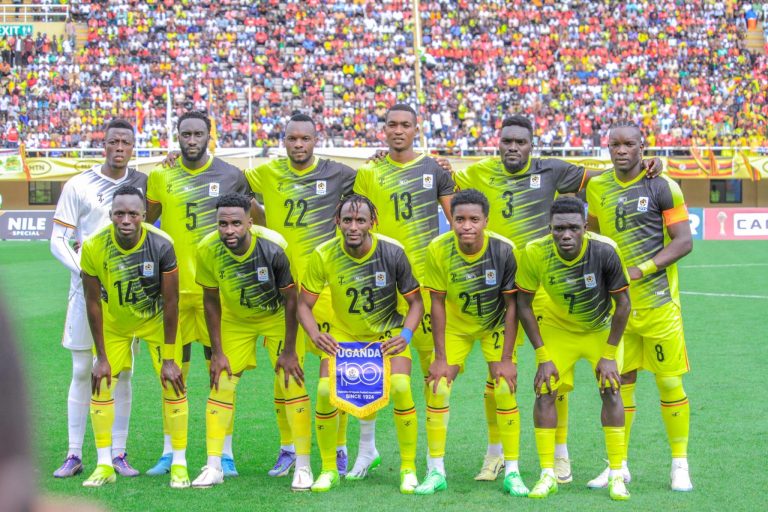
Uganda AFCON 2025 Preview. The Cranes’ flight to Morocco feels different this time. There’s a rock-solid confidence fueling the squad, built on their recent success in qualifying. They are absolutely ready to fight for a knockout spot again.

Uganda has faith in coach Paul Put’s tactical approach involving discipline, withstanding pressure and fast counter-attacks. Uganda’s veterans are back, even as young and talented players have emerged to give it a more balanced, connected locker room.

If Uganda can implement their very aggressive, very possession-light tactics effectively, then this version of the Africa Cup of Nations may be one that surprises many viewers.

Recent Form & Results | AFCON Qualifiers

Uganda arrive at AFCON 2025 feeling steadier than they have in years. The squad fought for every single point with sharp focus and discipline. Each positive result strengthened their belief that a better chapter was coming for the national team. Crucially, they climbed through their group with impressive consistency.

The Spark: Kenya Victory and Changing Confidence

The huge victory over Kenya undeniably sparked this shift and fully shaped the qualifiers. Uganda scored a decisive, late goal in the heated derby. The players instantly felt that same profound shift inside the dressing room.

Consequently, since that night, the group started carrying themselves with significantly more certainty. The squad now walks into each crucial match expecting to compete fiercely.

Defensive Strength and Clean Sheets

Friendly matches helped to fine-tune the team’s structure and added valuable belief. The defensive block held firm even during extended phases of pressure. Things dramatically changed once young striker Mato Rogers found his devastating form and timing.

He scored in warm-up games. His reliable timing inside the penalty box lifted the entire frontline’s performance.

Onyango’s Return and Leadership

Veteran goalkeeper Denis Onyango’s return also added another crucial layer of calm and authority. His undeniable presence lifted the defenders. Every strong run in a tournament starts with a steady, reliable base, and Onyango gave the team exactly that security. The younger players enthusiastically responded to that important leadership.

Uganda now heads to Morocco knowing exactly what their identity is: they grind, they commit, and they stay fiercely competitive from start to finish. Fans deeply admire that focused approach because it ensures Uganda is never out of any contest they play.

Prospects | AFCON Predictions

Uganda walks into AFCON 2025 with measured optimism. They recognize Group C brings a brutally tough challenge alongside powerhouses Nigeria and Tunisia, plus familiar rivals Tanzania.

The Tanzania Derby: A Crucial Gateway

The emotional derby against Tanzania could easily set the definitive tone for the entire group stage run. Memories from their previous 2019 tournament run still actively motivate this generation of the group. Uganda successfully reached the Round of 16 that year by staying incredibly compact.

They consistently punished mistakes made by stronger, more favored opponents. This current squad absolutely respects that successful blueprint. The similarity in tactical approach gives them immense confidence heading into Morocco.

The Coach | AFCON Results Influence

Paul Put officially took charge of Uganda with the clearest possible intentions, and his straightforward message immediately resonated across the entire squad. He asked the players to work with incredible intensity.

Players fully respected his clarity. Since joining the team in 2023, Put successfully made Uganda much harder to break down. This visible progress shone brightly in every AFCON qualifier they played.

Put’s Experience and Authority

Put’s experience managing national teams across the African continent greatly shapes his authority. In 2013, he took a Burkina Faso team, for whom nobody gave hope of anything, to an AFCON final.  Put is adaptable in terms of tactics. He switches between a 4-4-2 and a more explosive, attacking 4-2-3-1.

Both foundational systems aim directly to protect the vulnerable central spaces. Uganda consistently stays tight, actively forces turnovers using high pressure, and sprints forward with clear purpose. Uganda, therefore, strategically targets that exposed space with rapid, direct counter-attacks.

Put also meticulously manages the necessary mix of youth and veteran experience. Bringing the legendary Denis Onyango back into the fold added huge presence, voice, and leadership.

Should Uganda exceed the low expectations for them in Morocco and move forward, Put will rightfully have all the acclaim he deserves.

The Icon | AFCON Matches Remembered

That transcendent figure is the pride of Ugandan football: Phillip Omondi. That incredible journey carried Uganda all the way to the final match. He finished that high-stakes tournament as the deserving top scorer.

Omondi’s Lasting National Legacy

His lasting influence grew far beyond simple highlight reels and goals. The largest national stadium in Kampala proudly bears his name. Today’s crop of current players know these foundational stories exceptionally well.

Critically, his legacy does not weigh them down with expectation. Rather, it fuels their deep sense of responsibility and individual ambition. They hope to powerfully add their own pages to that enduring, inspiring history book.

One to Watch | AFCON Predictions Shaping Hype

Mato Rogers enters AFCON 2025 as Uganda’s clear standout attacking attraction. His impressive club numbers have already turned heads. Fifteen goals in seventeen games clearly deserved a national selection. His ice-cold calm finishing ability is often the topic of discussion among teammates.

Uganda AFCON 2025 Preview: Rogers’ Ruthless Finishing Ability

He positions himself smartly in the box. Uganda often creates only limited scoring chances in their low block system. So they desperately need a striker to be absolutely brutal with even the smallest of half-chances. Rogers seems to live in those moments; they put less pressure on him, and he is able to come up.

He also offers incredible defensive value through his high-intensity, structured pressing. Uganda’s highly effective defensive shape depends entirely on unified, coordinated pressure applied from the front all the way to the back.

When Rogers energetically leads that crucial first press, the rest of the team aggressively steps in behind him to support the effort. Crucially, many opponents lack extensive recent footage. If he manages to score an important goal early, his individual momentum could rise quickly.

Current Squad & Tactics | AFCON Qualifiers Influence

This Uganda squad has a smart mix of experience, strength, and tactical intelligence. The organized, rock-solid backline is the non-negotiable heart of their entire tactical identity. Bevis Mugabi anchors the entire defensive group with consistent leadership. He most often plays strategically beside either the reliable Timothy Awany or the experienced Elio Capradossi, forming a solid central partnership.

Defensive Backline and Midfield Anchor

The two fullbacks inject much-needed mobility. Aziz Kayondo covers the entire left flank with tireless energy. On the right side, either Issa Kagimu or Jordan Obita adds crucial defensive awareness. Full-backs are extremely cautious in selecting their attacking runs. The central midfielder is an anchor for both the overall defense and transition of the team.

Khalid Aucho has a lot of space that he is able to cover at high speed with aggressive intensity. Bobosi Byaruhanga and Taddeo Lwanga effectively support Aucho in his work on the ball, using intelligent possession management.

Uganda AFCON 2025 Preview: Attacking Flair and Set Piece Threat

Farouk Miya is the key creative player. He has the technical ability to pose a dangerous shooting threat from distance. Uganda also benefits greatly from the pace and threat of Allan Okello and Emmanuel Okwi on the wings. Okello often prefers drifting inside.

Meanwhile, Okwi stretches opponents vertically. Set pieces matter immensely for this specific squad. With several tall, imposing players like Mugabi and Rogers, Uganda poses a genuine, physical threat. In tight, evenly matched contests, these dead ball moments can single-handedly decide results.

Uganda primarily defends in a disciplined, medium defensive block. They fiercely win second balls in midfield, and then instantly attack the open space. Teams who undervalue this very practical, linear approach frequently find themselves in trouble.

Uganda AFCON 2025 Preview: AFCON Squad

Goalkeepers: Salim Omar Magoola (Richards Bay), Denis Onyango (Mamelodi Sundowns), Nafian Alionzi (Defense Forces), Charles Lukwago (KCCA FC).

Defenders: Toby Sibbick (Burton Albion), Elio Capradossi (Universitatea Cluj), Jordan Obita (Hibernian), Rogers Torach (Vipers SC), Aziz Kayondo (Slovan Liberec), Isaac Muleme (Viktoria Zizkov), Timothy Awany (FC Ashdod), David Owori (SC Villa), Hilary Mukundane (Vipers SC).

Midfielders: Kenneth Semakula (Al Adalah), Khalid Aucho (Singida Black Stars), Ronald Ssekiganda (APR FC), Bobosi Byaruhanga (Oakland Roots), Baba Alhassan (FCSB).

Forwards: Allan Okello (Vipers SC), Melvyn Lorenzen (Muangthong United), Travis Mutyaba (CS Sfaxien), Denis Omedi (APR FC), Rogers Mato (FK Vardar), Reagan Mpande (SC Villa), Jude Ssemugabi (Jamus FC), Uche Ikpeazu (St Johnstone), Steven Mukwala (Simba), James Bogere (Masaka Sunshine), Ivan Ahimbisibwe (KCCA FC), Shafik Nana Kwikiriza (KCCA).

AFCON Historical Performance | AFCON Results Context

Uganda’s long history at AFCON brings a powerful blend of national pride. Their first truly special era was the 1970s, hitting four straight qualifications. The best part? That incredible 1978 run that saw the Cranes fight their way right to the championship final against Ghana.

From 1978 Glory to Modern Return

The remarkable individual performances of Phillip Omondi profoundly shaped the identity of that iconic era. Yet, immediately following this incredibly successful gold medal campaign, the country was then forced into an extended period of prolonged waiting for a chance at returning to the championship stage.

This qualified in 2017 caused another great surge of enthusiasm. Only two years after qualifying, the Round of 16 finish in the 2019 tournament provided further national confidence. The faithful fan base endured the missing of the next two tournaments.

Nevertheless, the return in 2025 now feels distinctly like another firm, positive step. A remarkable 1978 achievement still glows as bright as ever. Yet, this current squad is openly determined to create a brand new, powerful story.

AFCON Predictions: Why Uganda Will Compete

AFCON 2025 officially begins for Uganda with intense self-belief, a decided tactical identity and well-bonded set of players. Their clear tactical identity built on discipline gives them a real chance. They know fully well that they will not dominate possession.

Critically, they also know they compete exceptionally well in tough matches. This prestigious tournament gives Uganda an excellent opportunity to show the entire continent exactly how far they have come.

If they defend with unwavering discipline, ruthlessly take the limited scoring chances, and follow the competitive rhythm set by key players like Mato Rogers, Uganda could very well deliver a genuinely memorable, giant-killing run. Uganda relishes this dangerous, low-pressure underdog position and as pragmatic fighters, it suits them perfectly.

Categories
Africa Cup of Nations Football

Zimbabwe AFCON 2025 Team Preview: Why the Warriors Can Shock Group B

Zimbabwe AFCON 2025 Team Preview: Why the Warriors Can Shock Group B

Zimbabwe AFCON 2025 Insight: Squad Changes and Fixtures

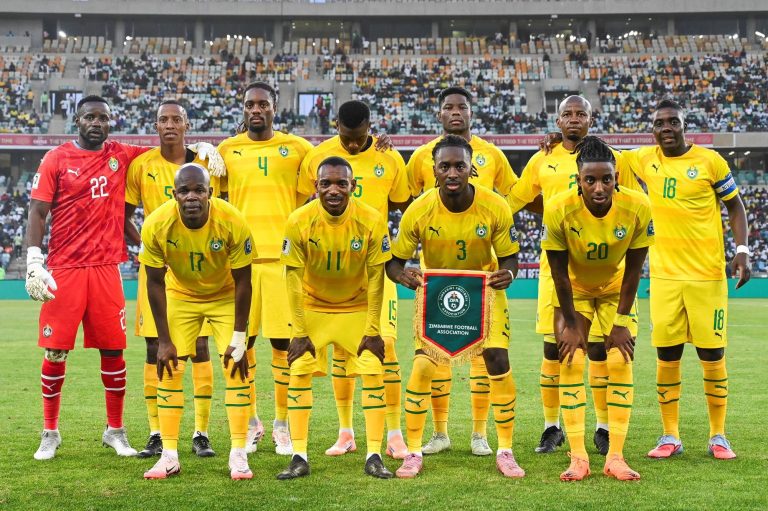
Zimbabwe comes into the 2025 African Cup of Nations with a story line that is unique from all other teams competing. The chaos of being banned from FIFA, and an almost complete rebuilding of the entire program, to now trying to get back into competitive football, still has a heavy impact on how fans view every match, however this will give them some much-needed stability going into this tournament.

Zimbabwe’s fortunes improved after two well-earned wins over Namibia. And so these were matches that reflected a side not about over, willing to fight when the stakes are high.

Zimbabwe AFCON 2025 Insight – AFCON Results Analysis

Zimbabwe enters the 2025 Africa Cup of Nations with an unbalanced and yet some-what interesting history in the past few years. The qualifying results provided the first genuine sign of progress. The Warriors displayed crucial fighting spirit, managing key draws and securing the vital wins against Namibia that propelled them into the finals.

Specifically, those fixtures against their regional rivals were defining moments. They proved the team could deliver under immense pressure.

World Cup Qualifying: The Necessary Wake-Up Call

World Cup qualifying painted a much rougher picture. Zimbabwe experienced a very tough run and went ten consecutive games without a win. This ultimately damaged their confidence, but also exposed major flaws in both defense and offense, also costing the coach the job.

Prospects – AFCON Predictions for Group B

Zimbabwe walks into a group that many genuinely consider brutal. Egypt, South Africa, and Angola all offer vastly different threats, which leaves the Warriors labelled as the clear underdogs by most neutrals and pundits. Inside the camp, however, the message stays bold and determined. The primary aim is to reach the knockout rounds for the very first time in the country’s AFCON history, an ambition that burns fiercely within the veteran core of the squad.

The opening game sets the immediate tone, and it just happens to be against Egypt, the record champions. Most teams naturally dread starting a major tournament against a heavyweight like the Pharaohs.

However, sometimes the favorite starts slowly, playing tentatively, and that always creates an unexpected opening. A disciplined, defensive draw here would flip the outside narrative in a heartbeat. Consequently, it would also instantly add a layer of crucial belief that Zimbabwe has chased for decades.

The Coach – AFCON Qualifiers & Leadership Shift

The Zimbabwean coaching situation was a bit of a mess, in that it contained many unexpected developments, was loud and tense, as Zimbabwe selected their final 2024 squad. Michael Nees from Germany was at the helm for the first part of the 2024 qualifying year and he had led Zimbabwe into the AFCON qualifiers without issue.

However, early optimism surrounding the team disappeared quickly after the team’s poor performances did not yield any better results during the World Cup qualifying process. Ten games without a victory eventually forced the federation to make a difficult change.

Although this decision arrived only months before Zimbabwe AFCON 2025, the need for a shake-up was paramount. The Federation confirmed the appointment of Romanian coach Marian Marinica as head coach of the Warriors for a 12-month contract with expectations that he would lead the team to the 2025 TotalEnergies CAF Africa Cup of Nations.

The Icon: Knowledge Musona’s Last Dance

He is loved by the fans not simply for his goal-scoring exploits; rather it’s his ability to maintain a very calm demeanor under intense pressure in major tournaments. This “calm” aspect of his style of play combined with a deadly precision in front of the net (as reflected in his nickname “The Smiling Assassin”) defines who he is as a player. The immediate and infectious impact of Musona returning from international retirement is still being felt within the team.

In addition to creating chances for teammates through open play, he is a danger man at any time during a match via free kicks and penalty kicks. The Warriors have looked to Musona for his set piece expertise for some years now primarily because – whenever he is under pressure, he delivers.

One to Watch – AFCON Matches Breakout Star

Tawanda Chirewa is the type of fresh young blood that Zimbabwe will desperately need long after the 2025 tournament has wrapped. At just 21 he has an extraordinary player, natural self-belief and the sort of raw, quick-thinking imagination that can completely alter a tight match.

He loves to glide effortlessly past defenders and powerfully drive into crowded central areas. The supporters truly adore that fearlessness, because it immediately gives the team a needed dimension they distinctly lacked in earlier tournaments.

Chirewa’s unique ability to successfully break lines with his quick, sharp dribbles makes him an ideal option for tight, congested AFCON matches. Most group games quickly become battles of frustrating patience where neither side truly wants to overcommit.

In those slow, tense moments, a single burst of energy from a creative player can tilt everything in an instant. Chirewa thrives specifically in those pockets of defensive hesitation. When he enters the match, tired defenders suddenly must deal with someone who plays at a completely different, faster tempo.

The Impact Sub Role

His critical role might well begin as an impact substitute for the veteran team. Coaches often wisely lean on experienced attackers in the high-stakes opening match, especially when facing absolute giants like Egypt or South Africa. Yet, this approach creates the perfect window for him to join the match after an hour has passed.

Zimbabwe’s diaspora influence continues to quietly reshape the squad, and Chirewa strongly reflects that massive shift. Players raised abroad bring different training habits and a higher level of tactical awareness. When they mix with local stars, the blend instantly raises the ceiling of the entire team.

Chirewa stands out because he plays with an enviable mix of bravery and craft that supporters instantly connect with. One clever assist, a stunning strike, or a decisive, mazy run could easily make him a breakout star of the entire tournament.

Current Squad & Tactics: The Midfield Engine

Zimbabwe should take a balanced squad to Morocco, with veterans complimented by a group of exciting young talent from the diaspora. The two goalkeepers are going to be part of an intense selection battle. However, each has something different that will give the coach a choice for how he wants to start his first eleven.

This will likely determine early how the team will create possession out of their back four, and thus what kind of defender they will want to play behind them. Both fullbacks are attackers that enjoy moving up the sideline with the ball and creating opportunities by attacking.

Jordan Zemura provides additional speed and energy with his ability to move quickly, providing the team with the opportunity to counter attack with a great deal of width and speed. On the right side, Divine Lunga is solid in one-on-ones and is a consistent player that always looks to support the attack through the overlap of a midfielder.

Their presence allows Zimbabwe to shift quickly from a compact defensive mid-block into fast, dangerous transitions.

Zimbabwe squad for AFCON 2025

Goalkeepers: Washington Arubi (Marumo Gallants), Elvis Chipezeze (Magesi), Martin Mapisa (MWOS FC).

Defenders: Godknows Murwira (Scottland), Emmanuel Jalai (Dynamos FC), Sean Fusire (Sheffield Wednesday), Munashe Garananga (FC Copenhagen), Gerald Takwara (Al Ittihad Misurata), Isheanesu Mauchi (Simba Bhora), Brendon Galloway (Plymouth Argyle), Teenage Hadebe (FC Cincinnati), Alec Mudimu (Flint Town United), Divine Lunga (Mamelodi Sundowns).

Midfielders: Marvelous Nakamba (Luton Town), Jonah Fabisch (Erzgebirg Aue), Andy Rinomhota (Reading), Prosper Padera (SJK Seinajoki), Tawanda Chirewa (Wolverhampton Wanderers), Knowledge Musona (Scottland)

Forwards: Bill Antonio (KV Mechelen), Ishmael Wadi (CAPS United), Tawanda Maswanhise (Motherwell), Daniel Msendami (Marumo Gallants), Prince Dube (Young Africans), Washington Navaya (TelOne FC), Macauley Bonne (Maldon & Tiptree), Junior Zindoga (TS Galaxy), Tadiwanashe Chakuchichi (Scottland).

AFCON Historical Performance: Breaking the Barrier

The country’s past performances as an AFCON finalist have been five; but each time, the journey was stopped during the group stages.

After what took years to be realised, Zimbabwe ended up qualifying for the African Nations Cup (AFCON) finals in 2004; an achievement that is widely regarded as the single-most important success story ever written in Zimbabwe’s football history books.

That same year Zimbabwe also secured one of their greatest victories in football history when they defeated Algeria in an AFCON tournament opening round match. And this big win was an exciting one for the team and for the entire country.

Unfortunately, Zimbabwe did not earn another important point in their next couple of games and were thus unable to progress beyond the group stage.

A long absence followed

Zimbabwe did better in 2019 than they had done in previous years but failed to get through the tournament having lost to DR Congo. Zimbabwe v Guinea – 1–0 (2021): Zimbabwe made a good fight of this tournament in Cameroon, capped by a one-goal win away to Guinea, but it was not enough to see them progress.

The fierce desire to finally rewrite that familiar story powerfully fuels the current squad. For many players, this truly feels like the final, last chance to break that frustrating group-stage barrier. Realistically, fans can believe the current team is good enough to truly shock if and only if they stay absolutely organized and tactically disciplined.

A solo goal, another clean sheet or a stroke of luck could give Zimbabwe a unique chance to change the course of its history over the past 40 years. The full complement of the Zimbabwe team is ready to seize this once in a lifetime opportunity for change heading into AFCON 2025.

Categories
Africa Cup of Nations Football

South Africa AFCON 2025 Preview: Can Bafana Bafana Shine?

South Africa AFCON 2025 Preview: Can Bafana Bafana Shine?

South Africa AFCON 2025 Preview: Group Test Ahead

For this group of players years of uncertainty have come to an end, allowing them to enter the 2025 AFCON with momentum, confidence and a clear direction, all elements that have been missing from South Africa’s national team for as long as South African soccer fans can remember.

The World Cup of 2026 is already committed to South Africa, so the national side now has a solid foundation to build upon and also a sense of unity that had been missing in previous incarnations of the national team. South Africa’s last AFCON was 1996, just under 30 years ago.

Generations of later players were to feel cursed for never having a yardstick against which to measure themselves other than the “Golden Team”. As such, there is far greater expectation than just being able to put up a good fight through the quarter finals.

Fans expect a serious run at the title from this group, and therefore the ultimate question becomes quite basic: will this team be able to turn what appears to be potential into a legitimate breakthrough and make a serious statement?

Recent Form & Results: South Africa AFCON Results & Momentum

Recent form is probably why many fans are so interested in this the South Africa AFCON 2025 preview. South Africa not only made it to the World Cup, but also won its qualifying group, completing with a feeling of conviction.

The one thing to take from recent AFCON matches is that they’re not a pretty defensive team. The fact that many times when they face high-powered attacking teams with the ability to score goals, they will maintain a clean sheet or concede only one goal and put themselves in good shape to be victorious.

This change in style is also a marked difference from previous versions of the national team that were more open and vulnerable on defense.

Prospects: South Africa AFCON Predictions for Group B

Group B puts South Africa in an intriguing position. Many AFCON predictions start with Egypt as the favorite, given their pedigree and squad depth. Even so, South Africa are well placed to challenge for at least second. They have a clear structure, a more defined style than Angola, and more recent tournament success than Zimbabwe. Both opponents can cause issues, though, so nothing will come easy.

Angola have reached the knockouts before and know how to manage tight games. Zimbabwe will return with hunger after previous setbacks and will treat every AFCON match as an opportunity to reset expectations. Because of that, South Africa’s opening clash against Egypt feels huge. A win or even a draw shifts the tone of the entire group.

The key to navigating Group B lies in efficient scoring opportunities. The Egyptians will be as solid as they can be in defense but as we have seen before, they are vulnerable to a swift counter-attack that is going to fit perfectly into Hugo Broos’s tactics.

Additionally, obtaining points from both Angola and Zimbabwe although difficult, it is key to advancing in this tournament. The performance against Egypt will likely set the confidence level for the remaining group matches.

The Coach: Hugo Broos and the AFCON Qualifiers Reboot

Hugo Broos arrived and immediately pushed the national team into a new direction. He challenged standards, trusted younger players, and refused to select based on reputation alone. They have grown to become a competitive side for years, as evident in the AFCON qualifiers’ run of results and a commendable 2023 AFCON outing and World Cup qualification. He brings a determination to win that was sorely missing before his arrival.

He is a fan of the more traditional 4-4-2 or 4-2-3-1 that lays out clear responsibilities for all players. Instead of desperate pressing Bafana keep a good shape and wait for games opening to appear. Quick transitions, disciplined defending, and sharp wing play make up the core of his approach. Because players understand the plan, they stay calmer when pressure rises.

That experience also demonstrated that Broos has a good understanding of what it takes to manage tournament football, dealing with long camps, media pressure, and the need to rotate players.

Therefore, his measured approach to selection and preparation should be a massive advantage for Bafana Bafana this year. His proven ability to secure an unlikely title should fill the squad with optimism.

One to Watch: Lyle Foster’s Rise in the South Africa AFCON 2025 Squad

If Tau is the established star, Lyle Foster is the breakout candidate. His profile fits modern football perfectly. He’s tall, mobile, energetic, and clever with his movement. He can run channels, challenge defenders in the air, and link play in tight spaces. Those qualities give South Africa flexibility they often lacked in previous tournaments.

His partnership with Percy Tau could define their ceiling. Tau drops into deeper zones, while Foster stretches defenses. When their timing matches up, opponents get pulled apart. If Foster finishes well and stays composed under tournament pressure, he could become one of AFCON’s breakthrough names. He truly represents the future of the national team.

Current Squad & Tactics: How Bafana Bafana Approach AFCON Matches

This South Africa AFCON 2025 preview highlights a team that is stable in its overall defense. With South Africa’s goalie Ronwen Williams being the anchor at the back for his team, he provides both a calm and experienced presence.

The center backs in front of him are an athletic group with experience, while the fullbacks run forward judiciously due to their support from the center back pair. Therefore, this structure has allowed South Africa to maintain a consistent defensive performance throughout their recent competitions.

A double pivot offers energy and smart passing.  In attack, combinations matter more than individual heroics. South Africa don’t need to dominate possession to be dangerous. They keep their shape, win the ball, and break with intent.

South Africa squad for AFCON 2025

Goalkeepers: Sipho Chaine (Orlando Pirates), Ricardo Goss (Siwelele), Ronwen Williams (Mamelodi Sundowns).

Defenders: Samukele Kabini (Molde), Thabang Matuludi (Polokwane City), Mbekezeli Mbokazi (Orlando Pirates), Aubrey Modiba (Mamelodi Sundowns), Khuliso Mudau (Mamelodi Sundowns), Khulumani Ndamane (TS Galaxy), Siyabonga Ngezana (Steaua Bucharest), Nkosinathi Sibisi (Orlando Pirates), Tylon Smith (Queens Park Rangers).

Midfielders: Bathusi Aubaas (Mamelodi Sundowns), Thalenthe Mbatha (Orlando Pirates), Teboho Mokoena (Mamelodi Sundowns), Sphephelo Sithole (Tondela), Sipho Mbule (Orlando Pirates).

Forwards: Oswin Appollis (Orlando Pirates), Shandre Campbell (Club Brugge), Lyle Foster (Burnley), Evidence Makgopa (Orlando Pirates), Relebohile Mofokeng (Orlando Pirates), Elias Mokwana (Al Hazem), Tshepang Moremi (Orlando Pirates), Mohau Nkota (Al Ettifaq).

AFCON Historical Performance: South Africa’s AFCON Story So Far

The South Africans quickly became an influence in African football when they took the championship at the 1996 championships on home soil after finishing runner-up at the 1998 championships and finishing third at the 2000 championships. This run helped to establish them as among the first and major powers of the continental football world for many years. They had a truly Golden Generation of players.

The years that followed proved tougher. Inconsistent performances at the AFCON for South Africa continued from the peak years. With a number of tournament group stage exits and a few tournaments missed entirely. Frequent changes in squads and frequent changes in coaches also contributed to loss of identity for the team. A sense of identity had been lost among supporters due to the stark contrast between the successful years and less successful periods.

One‍‌‍‍‌‍‌‍‍‌ of the major issues for the program has been the lack of consistent AFCON games deep into the tournament. The fact that they were not involved in many tournaments, which resulted in an entire group of players, without the needed tournament experience, to compete at the top tier.

Plus, their consistent involvement and advancement over the past few tournaments proves to us that this cycle of inconsistency has been broken. The single biggest reason for optimism for the 2025 AFCON is quite clearly the return of consistency.

South Africa AFCON 2025 Preview: Defining Moments and Final Expectations

Their great recent form shows that they are in a good moment right now, playing from a clear system under an over-achieving coach to get the best of his team.

There will be times when they fail to put away chances and will fall asleep on occasion as there always is for every team. The foundation of the team looks much stronger now than it has been for many years. The combination of discipline and talent make this team truly exciting. If Bafana Bafana do progress past the quarter finals, then it will validate their revival.

Percy Tau has been wielding incredible influence, and Lyle Foster is rising to his promise. Under Hugo Broos the current Bafana Bafana team stand a chance of being one of the best ever.

How competitive will Bafana Bafana be? For these players, the AFCON 2025 will be a measure for their talent.

Categories
Africa Cup of Nations Football

Egypt AFCON 2025 Team Guide: Pharaohs’ Path, Squad, and Trophy Predictions

Egypt AFCON 2025 Team Guide: Pharaohs’ Path, Squad, and Trophy Predictions

Egypt AFCON 2025 Examination: Key Players and Setup

A sense of unease was felt by fans as the national team failed to make it past the previous continental competition after an early departure from what was expected to be a higher stage of the tournament.

The team arrived at that previous event with a few key injuries that truly didn’t help their cause. As the knockout stage approached, those absences became even more noticeable when the group couldn’t convert control into a winning moment.  

The World Cup qualifying run brought something the supporters had desperately missed for a while: clarity and consistency. Seven clean sheets stood out as a clear statement of intent from the new system. The defensive line kept its shape impeccably, and the midfield protected them with far better organization and intensity.

Because the team stayed compact in the middle, the forwards didn’t need to chase every lost defensive cause. They focused instead on converting the increased number of chances created by the improved tempo.

This team also arranged a tough friendly against a top regional opponent right before this year’s tournament. That decision suggested a group ready to test itself under real, high-pressure situations, not just cruise through easy training sessions.

Momentum matters immensely in football, and this group has regained plenty of it through consistent performances. They earned positive results in different ways, which is often the surest sign of real progress. Sometimes the attack carried the night with crucial early goals from set pieces and quick transitions.

Prospects | Expert AFCON Predictions for Egypt in Group B

The side enters AFCON 2025 with the weight of historical success and enormous national expectation behind it. No matter the specific group draw, expectations never sit quietly in the Egyptian press or among the millions of supporters. Group B gives them a realistic path to the knockouts, but it also presents definite challenges that demand the players’ full focus and commitment. Every opponent in the group brings its own unique threat, and none of them arrives simply as passengers waiting to be dismissed.

One key rival comes into the tournament with a surge of momentum after an unexpectedly strong showing in the qualification phase. Another opponent depends heavily on a young core that plays with tireless energy and very little hesitation on the ball. The final team in the group tends to counter quickly and defends with real physical aggression, making them frustrating to break down.

Even so, plenty of experienced analysts and pundits still view them as the clear favorites to top the group with nine points. Part of that optimism comes from the national team’s incredible tradition, but much of it comes from their current, high-performing balance.

Egypt AFCON 2025 Examination

The squad pairs invaluable tournament experience with fresh legs from younger players, which usually pays dividends in lengthy continental competitions. Several players sharpened their form in recent qualifiers, and many carry the mental steel needed to survive long, tense continental campaigns. This blend of youth and experience offers the perfect balance.

The biggest remaining variable is consistency and rhythm in front of goal. When the attack hits its stride, combining quickly and precisely, they look unstoppable against any defense. Quick combinations down the wings and a powerful presence through the middle allow the team to control both tempo and territory.

If the final pass and shooting accuracy arrives with more consistency, this team could potentially rewrite the story after last year’s disappointment. A deep run is the internal, non-negotiable goal.

The Coach | Hossam Hassan’s Direction After AFCON Qualifiers

Certainly, the new coaching model has played a huge part in the recent resurgence of the team and renewed self-belief from the players. His basic tactics work well enough at this level. He craves defensive shape without stripping the life out of the attacking creativity of key players.

It’s the classic 4-3-3 formation most of the time, though he will immediately revert to a more deep line at least 4-2-3-1 when his rivals sit back in their half. Experience in playing Tournaments is invaluable for International coaches and this staffs is not short of that.

Experience in tournaments is vital for international coaches and this staff is not lacking in that area. The head coach previously managed several high-profile clubs around the region and took charge of another respected national side.  

That vast background taught him exactly what international tournament football requires defensive clarity, perfect organization, and disciplined emotional control under pressure. Furthermore, his twin, who serves on the coaching staff, offers an extra, trusted perspective because he’s successfully navigated the same difficult football environments for decades.

The Icon | Mohamed Salah’s Leadership and Influence

Every truly successful national team needs a key player who carries more than just technical ability on the field. This squad’s undisputed icon brings irreplaceable leadership, calm influence, and a deep-seated belief into every single training camp.

His reputation as an elite player alone influences how other opposing defenders play against him; how his teammates play with him; and the number of fans that have dreams of ultimate success and can’t help but believe it will happen for him.

Even though he is currently in his early thirties, he has not lost that “spark” or explosive speed that was the reason for all of his success as a young player. He continues to sprint to the inside on the right side of the field to get himself into a good spot, and then find the best locations between the defensive line and the rest of the backline to provide his teammates with opportunities to create danger.

Over the past qualifying year, his crucial international scoring numbers climbed again, and several important goals arrived in truly decisive moments during the World Cup qualifying campaign.

What truly sets him apart from most attackers isn’t just his impressive end product. It is his singular, focused mindset and burning desire for the trophy he hasn’t yet lifted. He has personally reached two AFCON finals but frustratingly left both without the champion’s medal he has intensely chased for years.

One to Watch | Omar Marmoush’s Rise Ahead of AFCON Qualifiers

Every successful tournament introduces the world to a breakout, previously less-known name. For this specific squad, the spotlight justly tilts toward the dynamic young forward who has grown rapidly in European football over the last two years.

His valuable club experience abroad truly shaped his rapid evolution into a top-level international player. He learned exactly when to release the ball early to a runner and when to confidently take defenders on one-on-one. That crucial judgment didn’t always come naturally to him, but regular top-flight minutes quickly toughened him mentally and physically.

He now moves with powerful authority during offensive transitions, which perfectly suits the national team’s quick-break approach under the new coaching staff. Furthermore, he presses defenders from the front with tireless energy, something the highly demanding coaching staff absolutely values.

Supporters fondly remember one particular spectacular late goal from a previous campaign that showed his brilliant knack for perfect timing and execution. Moments like that rapidly build deep trust and confidence between a player and a whole nation of demanding fans.

This specific tournament could truly elevate his international status and reputation dramatically. If he manages to score early goals in the challenging group stage, his personal confidence will immediately surge to a new level. Once he feels comfortable and in rhythm, he tends to affect matches in significantly more ways than just scoring.

He stretches tiring defenses with his pace, presses vigorously from the front, and forces critical mistakes from weary opponents. With his excellent versatility across the entire front line, he becomes a constant, complex headache for every opposition coach to plan for. Many local fans and analysts believe he may suddenly emerge as the team’s secret, decisive weapon in tight knockout matches this January.

Current Squad & Tactics | The Complete Egypt AFCON 2025 Examination

This particular squad represents a calculated blend of invaluable, great tournament experience and truly explosive, fresh young talent. The entire team looks more confident and ready for high pressure defensive battles than we have seen before and this is a direct reflection of the coach’s emphasis on tactics.

Domination of play in the midfield will be crucial if there is to be any success for the Egypt AFCON 2025 team. It’s a tactical decision that fits just how the team likes to play, with quick transitions from defense to offense playing into perfectly weighted long passes.

Egypt squad for AFCON 2025

Goalkeepers: Mohamed El Shenawy (Al Ahly), Ahmed El Shenawy (Pyramids), Mostafa Shobeir (Al Ahly), Mohamed Sobhy (Zamalek).

Defenders: Mohamed Hany (Al Ahly), Ahmed Eid (Al Masry), Ramy Rabia (Al Ain), Khaled Sobhi (Al Masry), Yasser Ibrahim (Al Ahly), Mohamed Ismail (Zamalek), Hossam Abdelmaguid (Zamalek), Mohamed Hamdy (Pyramids), Ahmed Fatouh (Zamalek).

Midfielders: Marwan Attia (Al Ahly), Hamdi Fathy (Al Wakrah), Mohanad Lasheen (Pyramids), Mahmoud Saber (Zed), Mohamed Shehata (Zamalek), Emam Ashour (Al Ahly), Zizo (Al Ahly), Trezeguet (Al Ahly), Ibrahim Adel (Al Jazira), Mostafa Fathi (Pyramids).

Forwards: Omar Marmoush (Manchester City), Mohamed Salah (Liverpool), Mostafa Mohamed (Nantes), Salah Mohsen (Al Masry), Osama Faisal (Al Ahly Bank).

AFCON Historical Performance | Egypt’s Legacy in AFCON Results

The Pharaoh’s historic ties to the Africa Cup of Nations are truly a legend on the African continent. No nation has lifted the Africa Cup of Nations trophy as many times as Egypt, with 7 titles to their name and in fact hold the record for most trophies lifted by a nation.

Egypt’s golden run at the end of the 2000’s was a standard to be met for all subsequent generations of players; winning three consecutive championships in (2006, 2008, 2010). Fans of Egyptian football have cherished this period of time because the team were extremely dominant and disciplined, they had an unwavering faith in one another as teammates during the tenure of coach Hassan Shehata.

Although that was an extraordinary period of time for Egyptian football the team continued to compete for major final spots. One heartbreaking final ended in sheer agony during the final dramatic minutes of regular time. Another painful final slipped away during a dramatic, decisive penalty shootout against a strong opponent.

Those painful losses stayed deeply with the squad, but they also consistently reminded loyal fans that the team remains easily capable of grinding successfully through difficult, challenging tournaments. Their sheer consistency over many decades stands out proudly.

Key Historical AFCON Facts:

  • Most Titles: 7 (A Continental Record)
  • Most Appearances: 27 (A Continental Record)
  • Most Finals Reached: 10
  • Longest Unbeaten Streak: 24 matches (2004–2017)
  • Last Title: 2010

They easily qualify for nearly every edition of the tournament and rarely bow out early in the group or first knockout stages. A generation of young players is now fully aware of the huge national expectation that comes as standard with the wearing of the famous shirt.

But for AFCON 2025, which fast approaches, the team have targets, as they know that knockout football is predicated on many things, such as good defensive concentration, efficient set pieces and mental strategy.

Categories
Africa Cup of Nations Football

Angola AFCON 2025 Overview: Squad, Predictions, and Group B Breakdown

Angola AFCON 2025 Overview: Squad, Predictions, and Group B Breakdown

Angola AFCON 2025 Overview: Squad, Fixtures, Expectations

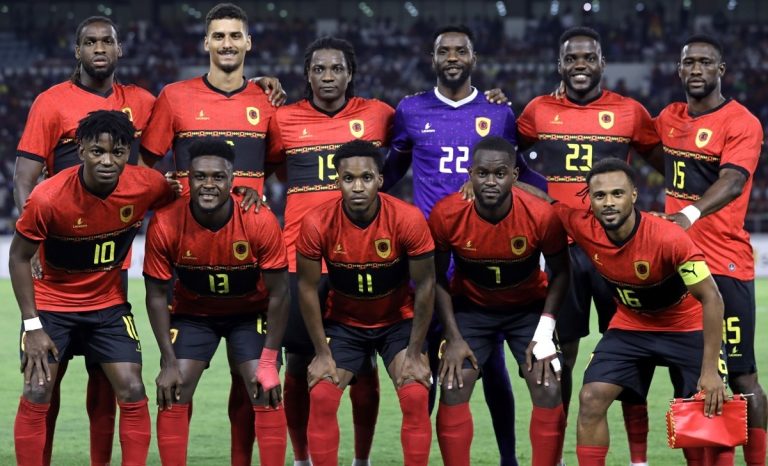
Angola are heading into AFCON 2025 full of belief and confidence. The group definitely believes it is prepared for another title run. Their fans now feel like something is actually happening with the team that really is focused.

The squad is a young, vibrant one, and does have some sort of similarity amongst themselves as they develop – also because recently, they have reached the quarterfinals of their continental competition.

Recent Form & Results | AFCON Results Breakdown

Angola’s recent form paints a picture of steady, impressive rise. The group came out of the last AFCON with new confidence after reaching the quarter-finals. Consequently, that crucial result shifted the entire way supporters talked about the team. Moreover, their performance convinced the players themselves that they could challenge the continent’s best teams consistently.

This powerful momentum has proven absolutely crucial for their entire preparation leading directly into the current finals tournament. Following that success, they completed an unbeaten AFCON qualifiers campaign.

This campaign helped shape the firm belief that this squad can now aim even higher than before. It powerfully showed their ability to manage tight, difficult matches and intense, high-pressure moments expertly.

Unbeaten Qualifiers and World Cup Lessons

They successfully navigated challenging away fixtures against established regional rivals. Therefore, they clearly demonstrated tactical maturity and a serious, unwavering mental toughness required at this level. The team truly proved they could win when it mattered most. They solidified their standing as a potential dark horse contender.

Even with this growing optimism, their recent World Cup qualifying push didn’t go exactly as flawlessly planned. They suffered a string of disappointing draws that slowed crucial progress. Ultimately, a few narrow defeats left them short of a deserved spot at the global football event.

Prospects | AFCON Predictions for Group B

Group B brings a tricky, tough mix of styles that Angola must expertly overcome to advance. They share the main competitive stage with football powerhouses Egypt and South Africa. This absolutely means every single AFCON match carries incredible weight.

Egypt arrives with the formidable track record everyone knows. They boast continental experience that few can match in this entire tournament. Moreover, South Africa comes with a very organized and disciplined team in terms of tactics, which excels at playing a structured and very slow tempo game of football, that will be able to get under the skin of their opponent. On the other hand, Zimbabwe are hungry and have shown themselves to be extremely dangerous, as they had a great qualifying campaign.

Group B Strategy and Conversion

They upset several bigger nations and proved their capability. Since the whole group genuinely feels open and unpredictable, a fast start could completely change the picture and the trajectory for Angola.

A single early victory could provide the crucial psychological advantage needed to expertly navigate the tight schedule. The Angolan squad understands that maximum focus and clinical finishing are needed from the very first whistle.

The opener against South Africa might be the one match that truly sets the immediate tone for everything that follows. If Angola can start with a strong, resilient defensive display, they will walk into their second game with powerful extra momentum. Their defense has been much better in recent years.  

Moreover, the whole group has shown the necessary patience in games where the opposition tries to dictate the tempo. This specific patience can help immensely to calm nerves in early, unpredictable fixtures.

The biggest hurdle for this entire team remains their conversion rate and overall finishing of clear-cut chances. Angola move the ball nicely and transition exceptionally well from defense to attack. Yet, they don’t always manage to turn that good build-up play into actual, tournament-deciding goals. They sometimes hesitate slightly in the final third. Unfortunately, a split-second delay can cost them dearly.

The Coach | Leadership for the AFCON Matches

Angola’s coaching situation brought an unexpected twist right before the tournament officially began. Their long-time, influential coach suddenly stepped aside. Of course, this also led to a lot of questions, and at least for a time, caused a short term disruption to an already critical development stage.

He was one of the key figures that helped to define what it meant to be part of the modern version of the team. In addition, he had built a level of faith with both the young, up-and-coming players, and the large and very enthusiastic fan base.

As a result, many of the young developing players had grown and developed their careers directly under his leadership. Therefore, his exit, in turn, understandably generated some uncertainty, and immediate speculation regarding the teams’ future. However, the abrupt leadership change fortunately did not negatively impact the existing structure as much as many outside observers predicted. The national association wisely decided to keep most of the core technical staff intact.

Tactical Stability and Player Morale

This immediately brought a strong sense of stability and crucial continuity to the training ground. With familiar faces and voices still heavily involved, the new incoming coach was able to walk straight into a group that already deeply understood the tactical system. This existing structure helped significantly to calm any immediate nerves. Thus, it made the leadership transition far smoother and quicker than anticipated.

The newly appointed coach, Patrice Beaumelle has wisely focused on practical, specific adjustments. He is not attempting any sweeping, drastic strategic changes to the overall game plan. His primary aims are to tighten the defensive lines further and significantly improve the speed of all transitions.

Furthermore, he implicitly trusts the senior, experienced players to successfully guide the younger ones through the tournament’s immense pressure. Since the team simply doesn’t have much time to learn an entirely fresh tactical approach before their first key match, this simple strategy makes perfect sense for everyone involved.

The Icon | Gelson Dala and His Influence

Every successful team needs one special leader. He remains their single most dependable and clinical attacking force in the entire squad. The whole group instinctively looks directly to him when the match naturally opens up.

Dala’s Tactical Flexibility

Dala’s incredible tactical flexibility adds enormously to his strategic importance for the coach. He is equally capable of dropping deep off the main line to operate as a classic second striker. Alternatively, he can push highest up the field as the main forward anchor. He also subtly drifts into dangerous pockets of space that deeply unsettle aggressive defenders.

Because of this versatile skill set, the coaching staff is able to effortlessly switch tactical shapes mid-game. This happens without ever sacrificing their core attacking purpose or threat. His deep understanding of space and timing helps Angola consistently create cleaner, higher-quality chances. This is especially true in those tight, complex matches where rhythm and flow come slowly.

All the younger, emerging players follow his dedicated example closely during high-intensity training sessions. Therefore, the success of Angola’s AFCON 2025 campaign rests heavily on his talented and experienced shoulders.

One to Watch | Zito Luvumbo Ready for AFCON Breakout

Gelson Dala will be providing the essential stability and experience for the team; meanwhile, young and extremely explosive winger Zito Luvumbo will bring a much needed, raw speed, and an unpredictable element that no one can fully anticipate.

Despite being just 21 years old, Luvumbo has already earned himself a developing and sizeable reputation in all of Europe for his unbelievable speed, extreme bravery on the ball, and unadulterated flare for the dramatic with the ball at the end of each sequence.

Fans across the entire continent follow his rapid progress keenly. Many pundits fully expect him to sensationally shine at this major tournament. His time spent playing club football in high-pressure European leagues has specifically sharpened his timing. Consequently, it expertly taught him exactly when to pick the right, optimal moments to launch an aggressive attack.

Luvumbo is masterful at forcing opposing defenders into making critical mistakes. This is because they must decide extremely quickly how tight or how distant to stay from him. Once he decisively accelerates past them with the ball, he instantly creates valuable space for his teammates. Specifically, he successfully drags opposing markers completely out of their defensive positions and shape.

Current Squad & Tactics | Angola AFCON 2025 Qualifiers Blueprint

Angola’s current squad successfully blends essential, seasoned veterans with an exciting core of emerging, young talent. The entire group has developed a clear, actionable identity built foundationally on structure and tireless teamwork. They focus on executing sharp, devastating counter-attacks.

This precise tactical approach worked perfectly during their unbeaten AFCON qualifiers campaign. It continues to guide the team’s preparations heading into the finals in Morocco. Therefore, the tactical blueprint is well understood by every player in the squad, guaranteeing cohesive performance on the pitch.

Angola squad for AFCON 2025

Goalkeepers: Neblu (Primero Agosto), Hugo Marques (Petro de Luanda), Dominique (Etoile Carouge).

Defenders: Rui Modesto (Udinese), Eddie Afonso (Petro de Luanda), To Carneiro (AS FAR), Nurio Fortuna (Volos FC), Pedro Bondo (Famalicao), David Carmo (Real Oviedo), Buatu (Gil Vicente), Gaspar (Lecce), Clinton Mata (Lyon).

Midfielders: Beni Mukendi (Victoria SC), Show (Kocaelispor), Fredy (Bodrumspor), Maestro (Alanyaspor), Manuel Keliano (Akhmat Grozny), Mario Balburdia (Boluspor).

Forwards: Zito Luvumbo (Cagliari), Manuel Benson (Swansea City), Milson (Crvena Zvezda), Chico Banza (Zamalek), Gelson Dala (Al Wakrah), Randy Nteka (Rayo Vallecano), Ary Papel (Al Akhdar), Mabululu (Al Ahli Tripoli), Mbala Nzola (Pisa), Zine (AEK Athens).

AFCON Historical Performance | Angola’s Journey

Angola’s history at the prestigious AFCON tournament has been steadily filled with significant progress. It includes indelible moments of national pride and a few tough setbacks. These competitions greatly assisted in the growth of the team and their ability to respond to adversity.

The early competitive days certainly did the team good (it gave them competition experience against some of the finest players in Africa), the team weren’t able to progress deep into any of these tournaments but, showed limited persistence and earned respect from some incredibly talented opponents.

This is how they established themselves as an ascendant team. Their true continental breakthrough sensationally arrived in the late 2000s. They reached the highly coveted quarter-finals in two straight, consecutive tournaments.

Ambition for the Future

The team knows deep down that they have exactly the right tools and the tactical discipline. They have the sheer talent to challenge seriously for it.

Therefore, they enter the tournament with a perfect blend of high ambition and acquired maturity. They respect their opponents but fear absolutely none of them. The compelling story of Angola at AFCON is actively still being written. This current chapter promises to be one of their most exciting and memorable yet. The entire country will be watching, ready to cheer them on to potential glory in the AFCON results.

Categories
Africa Cup of Nations Football

Comoros AFCON 2025 Breakdown: Underdogs Ready to Shock the Continent

Comoros AFCON 2025 Breakdown: Upset Potential Assessed

Comoros AFCON 2025 Breakdown: Upset Potential Assessed

Comoros approach the continental tournament with a perfect blend of quiet self belief and enthusiasm. Their journey from footballing minnow to regular tournament competitor has been inspirational. Their talent pool might be modest, yet their fierce commitment explains why they keep turning heads across Africa.

Every time they take on one of Africa’s great teams, they do so with all the heart, energy and an important spark which becomes bigger and bigger each time they take on these behemoths in African football.

Their rapid rise is based on their tenacious spirit and on their intelligent tactics rather than mere good fortune or luck. The players work hard to get difficult wins and they are very defensive-minded as they put forth a group effort to protect their net.

Each time they can win the battle for the loose balls they fight for them tenaciously, and each time there is a scoring opportunity they will pursue it with a sense of purpose. This solid base gives the club the confidence to achieve its goals at this years tournament.

Recent Form & Results: Crucial AFCON Qualifiers Performance

Comoros arrive at AFCON 2025 with an excellent recent run of form. Consequently, this seriously boosts their collective confidence levels. Their entire journey through the AFCON qualifiers demonstrated remarkable, genuine progress and discipline on the field.

In short, that specific victory proved their earlier successes were absolutely no accident of chance. Thus, this helped coach Stefano Cusin refine their shape and improve timing during crucial transitions. Several individual players helped Comoros maintain that steady, positive rhythm throughout the qualification process.

Goalkeeper Salim Ben Boina kept the back line relaxed and organized during tense spells of pressure. M’changama played as a “midfield maestro”, providing controlled, intelligent passing options to his teammates. Ben Nabouhane, a veteran forward, provided an important attacking force, while also leading emotionally on the front line.

They also recorded valuable, strong draws that helped keep team spirits high. For instance, a resilient 1–1 result with Gambia showed the group’s true resilience during a match where possession was limited. That specific draw carried real tactical value.

Because of this, it forced the entire squad to defend with flawless shape for long periods. Comoros now enter the final AFCON tournament with a profound belief they can keep this crucial unbeaten momentum alive.

Prospects: Expert AFCON Predictions for Comoros

Comoros step into a difficult group stage widely viewed as the smallest and least-fancied side in their bracket. They face powerful footballing nations with deeper squads. Therefore, their primary tournament aim is both simple and highly realistic.

Most informed AFCON predictions lean heavily toward Morocco and Mali topping the group and advancing directly. Both of those countries possess impressive, world-class individual quality and significant recent success.

Yet, Comoros genuinely do not fear facing them in a head-to-head competition. They defend with outstanding collective discipline. They move as one single, cohesive unit designed to keep games tight and low-scoring.

Anything is realistically possible once matches get tight and tense. A perfect dead-ball set piece, a lightning-fast counter-attack or one individual brave moment can change it all. Hence, Comoros strategically rely on that exact possibility.  This perfectly matches their inherently competitive nature.

In contrast, they avoid entering wide-open, high-scoring affairs. If they can strategically secure early points against their stronger opponents, their path to the coveted round of sixteen becomes instantly more realistic. Their committed defending plays the major, most important role in that entire strategic plan.

The Coach: Stefano Cusin’s Tactics for AFCON Matches

Stefano Cusin manages and guides the Comoros team’s incredible growth. He brings a crucial calm decision-making process and a highly practical approach. Indeed, this perfectly suits the hardworking squad’s strengths and limitations.

His extensive years of coaching experience across Africa shaped his profound understanding of how competitive teams effectively punch above their weight. That diverse experience helped him build a distinctive style based fundamentally on defensive shape and absolute collective teamwork.

Cusin most frequently deploys a defensive back five formation to tightly close down space and effectively crowd the box area. That tactical setup successfully forces opponents to work harder and longer for any clear-cut shooting opportunities.

Also, this prevents Comoros from losing their protective structure. The midfield unit works extremely close together, holding the central lanes tight and slowing the opponents’ initial attacks through the middle.

Once a successful defensive turnover occurs, the team’s key attacking trigger is immediate. The wing backs instantly drive forward, and the midfield pushes quick, incisive passes into open channels of space.

Cusin firmly believes that their unwavering tactical discipline will keep them highly competitive in games where the opposition’s individual talent might not match his own squad’s level. That core belief strongly shapes the rhythm and the flow of their matches.

He strongly prefers caution because it keeps their successful, defensively solid identity clear. Above all, he deeply knows the team performs its absolute best when they defend superbly.

The Icon: Ben Nabouhane and Key AFCON Results

Ahmed El Fardou Ben Nabouhane remains the essential, powerful emotional leader of Comorian national football. Dedicated supporters know him simply and affectionately as ‘Ben’.  Many passionate fans still vividly remember his famous strike that effectively ruined Ghana’s hopeful path toward World Cup progress years ago.

His crucial, well-timed goals during AFCON 2021 only added another unforgettable layer to his growing legend and influence. Ultimately, supporters recall those moments with incredible national pride because they represented a massive breakthrough.

His long and distinguished club career across various leagues in Europe shaped him into an incredibly reliable goal finisher. Playing in high-pressure environments successfully taught him how to expertly manage tough, demanding matches.

Comoros will necessarily lean on him heavily for both goals and experience during this difficult tournament. Dedicated supporters will absolutely cherish each one of his appearances.

One to Watch: Saïd Bakari’s Attacking Front and AFCON Matches

Saïd Bakari truly stands out as one of the most important and tactically versatile pieces in this rapidly improving squad. He intrinsically knows how to consistently turn the right flank into a highly busy and highly effective attacking channel.

His tireless work rate on the pitch rarely ever fades or drops. That steady, consistent energy actively helps Comoros maintain the strong defensive shape they consistently rely on for success.

Furthermore, when he pushes forward into the attack, he wisely times his steps and runs. This ensures he does not leave dangerous empty space behind him that opponents can exploit.

His tactical awareness consistently keeps opponents honest because they cannot afford to simply ignore his constant wide movement. Once he successfully gains space in the wide channels, he can deliver dangerous, accurate crosses into the box.

Alternatively, he cuts sharply inside to build fast combinations with his advancing midfielders. Comoros often successfully create their absolute best scoring chances through wide-channel play.

Fans should expect to see him rapidly glide forward during defensive transitions and actively help the team successfully stretch opposing defenders wide. He carries the ball confidently and with purpose.  If Comoros secure a shock, surprise result in the upcoming group stage, informed fans should strongly expect Bakari to significantly influence that huge, defining moment.

Current Squad & Tactics: A Detailed Comoros AFCON 2025 Breakdown

Comoros go into Comoros AFCON 2025 setting with an immensely polished tactics fully designed in victories. Their preferred defensive formation usually sees them shift from a strong 5-4-1 setup to the slightly more flexible 5-3-2.  Their rapid counter-attacks often begin with a fast, long diagonal ball. Alternatively, a quick, delicate one-touch pass into the wide channels starts the play.

Comoros squad for AFCON 2025

Goalkeepers: Yannick Pandor (Royal Francs Borains), Salim Ben Boina (Istres), Adel Anzimati (Ararat Yerevan).

Defenders: Kassim M’Dahoma (Aubagne Air Bel), Ahmed Soilihi (Sc Toulon), Idris Mohamed (Le Puy Foot 43), Kenan Toibibou (NK Bravo), Akim Abdallah (Guingamp), Ismael Boura (Troyes), Yannis Kari (Frejus Saint-Raphael), Said Bakary (Sparta Rotterdam).

Midfielders: Yacine Bourhane (Aris Limassol), Iyad Mohamed (Casa Pia), Raouf Mroivili (FC Villefranche), Youssouf M’Changama (Al-Batin), Rayan Lutin (Amiens), Benjaloud Youssouf (Sochaux), Rémy Vita (Tondela), Zaydou Youssouf (Al-Fateh).

Forwards: Rafiki Said (Standard Liege), Zaid Amir (Istres), Faiz Selemani (Qatar SC), El Fardou Ben Nabouhane (FK Zemun), Myziane Maolida (Al-Kholood), Ahmed Aymeric (Chateauroux), Aboubacar Ali (Royal Francs Borains).

AFCON Historical Performance: Looking at Past AFCON Results

Comoros truly stepped onto the continental relevance stage during their magical AFCON 2021 appearance. They successfully qualified for the final tournament for the very first time. Their sensational debut run felt exactly like one huge, national celebration.

Furthermore, their group stage delivered high drama and produced one of the biggest, most shocking AFCON results in recent tournament memory.

They successfully stunned the African giant Ghana with a famous 3–2 victory. That incredible win also crucially helped them advance to the round of sixteen. This remains their all-time best performance in the tournament so far. Their knockout match delivered even more intense national emotion and pride.

Comoros AFCON 2025 breakdown measured progress clearly shows steady, intelligent growth rather than unpredictable, sudden spikes in form.

Comoros Ready to Chase Another AFCON Miracle

Their steady progress over the last few years has been intelligent and consistent. Indeed, each successive milestone successfully added another important layer of confidence to the collective team spirit.

The challenging journey ahead will certainly test their collective resolve and physical limits. Their unbeaten qualifiers gave them a strong, solid base of results. Furthermore, their experienced leaders constantly help guide and mentor the younger players in the squad.

If everything strategically clicks together for them, Comoros could realistically deliver another memorable, giant-slaying tournament run and successfully surprise the entire African continent once more.

Categories
Africa Cup of Nations Football

Mali AFCON 2025: Shocking Squad & Tactics to Outrank Competitors

Mali AFCON 2025: Shocking Squad & Tactics to Outrank Competitors

Mali AFCON 2025 Analysis: Squad Quality and Tactical Edge

Mali AFCON 2025 analysis is generating real buzz, because this group of players feels better balanced than past tournament editions. They possess a stronger midfield core and athletes who log heavy club minutes in top European leagues.

The belief is rooted in controlled qualifiers, steady defensive phases, and growing confidence in transition moments.

Recent Form & Results

Mali enters the AFCON 2025 tournament fresh from a qualifying campaign that projected both defensive authority and considerable match-state maturity. They topped Group I without losing a single match throughout the entire phase. Mali is clearly showing they can expertly toggle between dominant high-score wins and stubborn, narrower victories, depending entirely on the game’s specific shape and tempo.

The sensational 6–0 routing of Eswatini was not only impressive to watch. It was highly instructive, highlighting Mali’s true offensive potential when opponents unwisely allow space behind the lines. Clinical finishing appeared once the lines separated. Fullbacks, like the experienced Hamari Traoré, were free to deliver dangerous cutbacks or sharp crosses from wide zones.

Crucially, their defensive pivots recycled passes quickly. They prioritized simple possession retention over high-risk vertical passes. They could cynically foul opponents when it was needed without significantly affecting their overall cohesiveness – controlling the rhythm of games and preventing opponents from establishing a flow whenever they lost the ball during transition.

Mali AFCON 2025 Analysis: Prospects

The Mali AFCON 2025 squad chances are on a far stronger footing than they have been in previous editions. Morocco, looking good for its part, will be the overwhelming favourite going into the group stage. Mali primarily begins the race targeting a secure second-place finish in Group A.

Zambia is clearly their likeliest competitor for that vital spot. Yves Bissouma’s impressive club pedigree quietly helps to reinforce the forecast narrative, too. His involvement in a Europa League winning run places him as a pivot arriving with genuine authority and confidence. Camara’s Liga 1 and Ligue 1 background powerfully reinforces the duel dominance story.

Mali needs controlled, disciplined wins against both Zambia and Comoros to make their positive projection truly real. This tactical challenge requires the Mali attack to be creative. The quarter-finals are a baseline expectation, rather than an old ceiling.

For Mali to achieve their baseline expectation, they must execute a series of critical actions: they need to beat Zambia. They must also beat Comoros. In the match against Morocco, they need to stay competitive. It is essential they protect the early phases of the game. Finally, they must keep central duels tight.

The Coach

Tom Saintfiet takes on the Mali job carrying a very clear reputation for defensive structure and tactical annoyance. He achieved these not through chaotic, high-variance pressing lines, but through disciplined, compact mid-block spells. This particular squad’s biggest leap forward has been in defensive maturity. Saintfiet will simply ask them to execute the trusted habits they already possess, but more often and with much sharper timing.

Saintfiet consistently prefers his defensive pivots to be aggressive in duels yet completely calm in distribution. This setup is perfect for Bissouma’s renowned press resistance. Camara’s impressive stamina and vertical-first thinking after successful ball wins match Saintfiet’s quick-forward-release preferences perfectly.

He tends to manage late-game states far better than he handles early-game chaos. His substitutions often reinforce existing defensive structure. This matters significantly, because Mali has historically panicked or lost crucial spacing while chasing equalisers late in matches.

His biggest pressure point in the entire tournament is undoubtedly time-the lack of it with the squad. His tactical clarity can confidently carry Mali into deeper rounds. The ability of Tom Saintfiet to simplify a high-stakes game plan is arguably their most critical hidden strength this year.

The Icon

When you think about the emotional level that Mali can reach, Moussa Marega is one of the few players that still come up in this regard. On the field he was truly electrifying – a combination of raw power and an unrelenting fight for every inch. The Malians need to emulate his fearless nature and responsibility taking attitude, as well as his relentless desire to make a difference from transition to transition. This is a pivotal trait that the new generation must internalize.

Both Bissouma and Camara are the most obvious candidates to genuinely inherit that emotional handover. Touré has the necessary physicality to directly reference Marega’s lane harassment. Vertical counters and physical dominance are ultimately mentality assignments.


One to Watch

The name to watch very closely for Mali AFCON 2025 is without a doubt Mohamed Camara. He already plays pressing triggers and position defence like a seasoned defensive anchor. His first option after a successful ball win is usually vertical, looking immediately to advance the play.

That specific duality-defensive dominance paired with vertical progression-fits Mali perfectly. Camara is known for covering large areas of the pitch with relentless stamina. He is a very useful player on a tactical level.

Camara will be able to surpass many of his opponents due to the high quality of where he places himself in the field (positioning), the accuracy with which he determines when to make each decision, and his ability to remain composed under pressure.

Current Squad & Tactics

Mali look at their most natural playing in a well-organised 4-2-3-1. This gives the team valuable tactical flexibility. Their goalkeeping situation is stable. Mali consciously avoids chasing long-ball randomness.

The Crucial Double Pivot: Bissouma & Camara

The defensive double pivot is the tactical heart of this Saintfiet team. Bissouma is the primary deep orchestrator. Camara is the destructive engine.

Attacking Threats & Progression

Their attacking midfielders-including Nene Dorgeles, and Sekou Koïta-stretch the opponent’s shape differently. Dorgeles offers explosive pace and directness. Koïta is often deployed as the most direct runner. El Bilal Touré occupies centre-backs.

Set Pieces & Late-Game Management

Set pieces are another area where Mali must consistently deliver. Mali boasts several impressive aerial threats. In tight state games, a clean corner delivery or a rehearsed Saintfiet routine might be the only thing that decides a knockout match.

Midfield screening is demonstrably better. If they score first now, the smarter plan is for the pivots to recycle safe outlet angles or commit spacing fouls.

Mali squad for AFCON 2025

Goalkeepers: Djigui Diarra (Young Africans), Ismael Diawara (Sirius), Mamadou Samassa (Laval).

Defenders: Sikou Niakate (Braga), Abdoulaye Diaby (Grasshoppers), Woyo Coulibaly (Sassuolo), Fode Doucoure (Le Havre), Hamari Traore (Paris FC), Nathan Gassama (Baltika Kalinigrad), Mamadou Fofana (New England Revolution), Ousmane Camara (Angers), Amadou Dante (Arouca).

Midfielders: Amadou Haidara (RB Leipzig), Lassana Coulibaly (Lecce), Mohamed Camara (Al Sadd), Mamadou Sangare (Lens), Aliou Dieng (Al Ahly), Yves Bissouma (Tottenham), Mahamadou Doumbia (Al-Ittihad), Ibrahima Sissoko (Bochum).

Forwards: Nene Dorgeles (Fenerbahce), Gaoussou Diarra (Feyenoord), Mamadou Camara (Laval), Kamory Doumbia (Brest), El Bilal Toure (Besiktas), Mamadou Doumbia (Watford), Lassine Sinayoko (Auxerre), Gaoussou Diakite (Lausanne).

AFCON Historical Performance

Mali’s previous AFCON performances still weighs heavily on the 2025 talk. They made their debut very early, to the finish as impressive runners-up in 1972.

The latter exit in 2023 was the issue, particularly. This consistent barrier narrative is the main psychological hurdle for the current generation.

This current version of Mali carries significantly more club minutes logged in top European leagues. They possess far greater midfield clarity under the structured guidance of coach Saintfiet.

The historic performance milestones provide context:

  • 1972: Runners-up finish.
  • 1975, 1994, 2012, 2013: Bronze Medals
  • 2019, 2021, 2023: Three straight R16 losses.

The internal belief surrounding the squad genuinely feels different. They bring full, comprehensive match-state habits, confident duel personalities, and tactical clarity. Achieving the quarter-finals will successfully reconnect them with modern progress markers.