Categories
Africa Cup of Nations Football

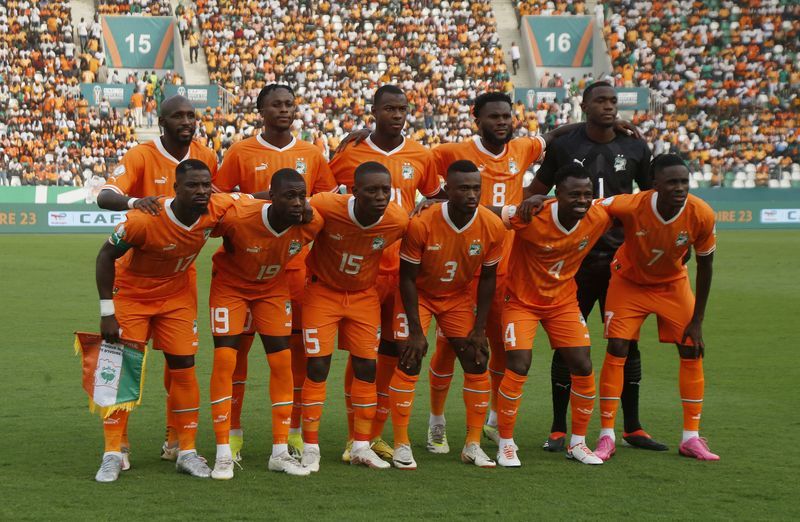
Ivory Coast AFCON 2025 Guide: Defending Champions Look to Shock the Continent Again
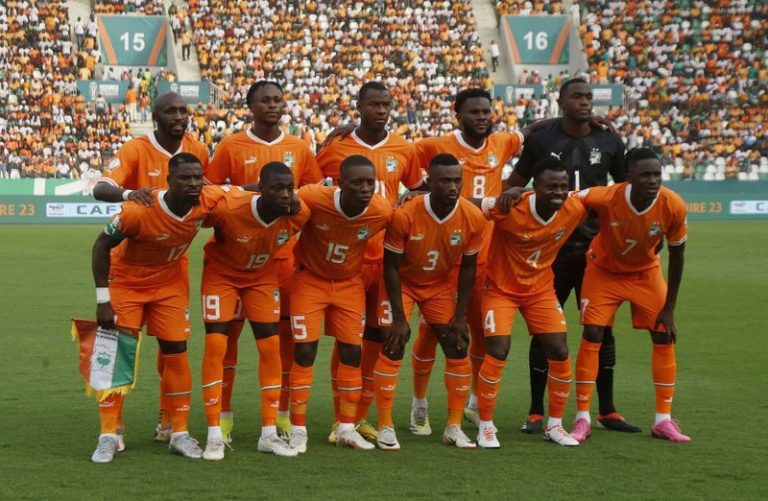
Ivory Coast AFCON 2025 Guide: Defending Champions Look to Shock the Continent Again

Ivory Coast AFCON 2025 Focus: Fixtures and Hopes Guide

The excitement is real, and the question is simple: Can Ivory Coast AFCON 2025 replicate? They come into the tournament as its defending champion, and that hard-earned mantle casts everything around it in a certain light.

Their unbelievable 2023 triumph on home soil transformed belief across the entire squad and restored national confidence in the Elephants. Consequently, the team knows exactly how to survive and thrive under immense pressure. They understand how to get the results needed when it truly matters.

Ivory Coast AFCON 2025: Qualifiers

The Ivory Coast were definitely pushed harder than anyone thought they might have been on the road to this AFCON. Pooled in a tough Group G, they ended up second behind Zambia on 12 points after six competitive matches.  

Even though qualification never genuinely felt in danger, the campaign importantly exposed specific areas that still require immediate attention and refinement. This necessary exposure is a gift for a champion side.

At home, the Elephants were practically unstoppable, barely losing points or exposing any vulnerability. For example, a crucial 2–0 win over Zambia in Bouaké sent out a clear early signal of intent and demonstrated their counter attacking mentality.

Jean-Philippe Krasso’s clinical goals perfectly reflected a side fully capable of punishing defensive mistakes quickly and decisively. Furthermore, the overall team unity seemed to strengthen with every victory earned on Ivorian soil.

Away matches, however, proved consistently more challenging for the squad. Crucially, surprising losses in Zambia and Monrovia showed clear defensive lapses and worrying moments of lost concentration from key personnel.

Still, those specific defeats were not failures; they provided valuable, irreplaceable lessons ahead of a significantly tougher AFCON tournament environment. Indeed, the coaching staff utilized every match as a learning opportunity.

Since officially qualifying for the main event, Ivory Coast have intelligently leaned on international friendlies to test team balance and necessary rotation options. Specifically, challenging matches against strong continental rivals like Morocco and Algeria offered evidence of deep resilience, even without consistently perfect results.

Importantly, influential leaders such as Franck Kessié and Sébastien Haller returned to excellent physical condition during this period. Although their form has naturally fluctuated over the last year, tournament mentality undeniably remains their single biggest strength. Truly, when the stakes rise, Ivory Coast usually responds with championship-winning performances.

They have negotiated these tough away days and this will stand them in good stead when they travel internationally to Morocco. They know there is no escaping the need for 90-minute performances against the best teams in Africa.

Prospects: AFCON Predictions

The Ivorians will come to Morocco as one of the clear, deserving favourites and despite fairy tale-inspired dreams from fans; expectation is absolutely the reflection of such high favourites status. There is enormous pressure on them as the current holders of the trophy, but there is also a sense of self-belief that it is very difficult to replicate in any other team thanks to recent history.

Many respected AFCON predictions consequently place them firmly among the top three contenders for the entire trophy. The initial group draw offers absolutely no easy path to the knockouts; every match will be a fierce battle. Firstly, perennial heavyweights Cameroon bring proven pedigree and tactical discipline.

Secondly, Gabon offer raw physical strength and counter-attacking danger. Finally, Mozambique add frustrating unpredictability that can disrupt any established rhythm.

Momentum will matter much more than past reputation during the initial group stage. Consequently, a strong, convincing opening match performance could instantly settle any lingering nerves and quickly silence early doubts from the media or fans. By contrast, an unconvincing beginning instantly would heap all the unwelcome disruptive pressure on to the entire squad

Ivory Coast AFCON 2025: The Coach

Emerse Faé stands proudly at the center of Ivory Coast’s modern success story, embodying the nation’s new ambition. His rapid ascent from assistant to title-winning head coach is easily one of AFCON’s most truly remarkable stories. What is striking, however, is that at only 41, there’s the emergence of a new dynamism, for African coaches have shown they too can compete on the global stage.

It was in the 2023 that Faé took control amid scenes of incredible chaos. Having lost twice in the groups, Ivory Coast looked as though their tournament was over once and for all. Instead, he miraculously rebuilt team belief and simplified complex player roles almost instantly, providing essential clarity under pressure.

This immediate impact showcased his natural leadership ability. He expertly adjusted formations to suit different opponents and strengthened the necessary defensive structure while trusting players who readily embraced higher responsibility.

Furthermore, he proved that trust and clarity can overcome complexity. Since officially becoming the permanent head coach, Faé has firmly doubled down on making tough but necessary decisions regarding personnel.

High-profile omissions from the squad have naturally caused public debate, but maintaining overall squad harmony remains his absolute number one priority.  Players consistently and publicly praise his open, transparent communication style.

That deep connection has proven absolutely vital when the team must perform under maximum pressure. Defending an AFCON title instantly raises external expectations, yet Faé has already convincingly shown that he thrives when public scrutiny increases.

The Icon

It has been that way since the emotional twilight of Didier Drogba’s Ivory Coast career. His vast impact keeps molding mentality, ambition and deep-seated belief across multiple generations of players. To countless of players in the current squad, he is still the ultimate reference point for professionalism and success. His legacy is permanent.

Drogba scored 65 goals for his country in a fantastic career that saw the Ivory Coast’s ‘golden generation’ secure three World Cup participations. Under his excellent leadership, Ivory Coast played in two AFCON finals in the mid-2000s. While both those frenetic finals understandably resulted in agonizing defeat, his influence as a beacon of hope.

And he represented much more than just goals – at times of civil strife in Ivory Coast, Drogba was a force for national unity. As a result, this deep emotional connection remains deeply felt among the Ivorian population to this day.

In the elite club game, his iconic Champions League heroics with Chelsea immediately sanctified him on the global stage. Perhaps even more importantly for Ivory Coast, he left no doubt — none whatsoever — that Ivorian players should be playing at the very highest level of world football. He was a door-opener for so many others.

He didn’t win the coveted AFCON trophy himself, but the subsequent successes of 2015 and 2023 are somehow linked to his work and indomitable spirit. Some of the best players now in the league were children who looked up to him for dedication and effort. Certainly, whenever Ivory Coast hunt for glory in these AFCON games, Drogba’s stunning legacy is silently – but massively – pushing them on.

One to Watch

Oumar Diakité always remains a young player that is able to instantly change the momentum of any tournament on his own. He’s only 21, but his speed is blistering, his confidence is superlative and his finishing, intuitive and surgical. And the speed of his having developed should ensure an easy and thrilling attacking transition for the national team over the coming couple of years.

At club level, Diakité has caught a lot of eyes with his explosive displays for RB Salzburg and Cercle Brugge. His sheer rapidity in tight spaces never fails to rattle oppositions, including some of the most seasoned defenders, and open up space for others. His signature late-game energy and pressing ability remain one of his biggest and most valued assets for the national coach.

He has scored a wealth of important goals in the closely-contested AFCON qualifiers, mostly coming off the bench as an impact substitute. That specific, demonstrated efficiency makes him an absolutely ideal impact substitute for high-stakes matches. Crucially, in the unique environment of tournament football, dynamic profiles such as his often decide close matches in the final moments.

Current Squad & Tactics: AFCON Matches

Ivory Coast boast one of the most balanced and full-squad teams in Africa with confidence. From top to bottom there is the depth to do anything and everything tactically without having any drop off, loss of quality or a lack of high performance players.  The head coach, Faé, prefers to shift comfortably between a balanced 4-3-3 and an occasional narrower 4-2-3-1 according to the opponent. It is on that flexibility they rely.

Tactically, Ivory Coast look to control midfield battles before breaking quickly into deadly attacking plays. Against elite-level sides, Faé has also shown immense comfort in sitting deeper and utilizing rapid countering attacks.

Ivory Coast squad for AFCON 2025

Goalkeepers: Yahia Fofana (Caykur Rizespor), Mohamed Kone (Charleroi), Alban Lafont (Panathinaikos).

Defenders: Emmanuel Agbadou (Wolverhampton Wanderers), Willy Boly (Nottingham Forest), Ousmane Diomande (Sporting CP), Guela Doue (RC Strasbourg), Ghislain Konan (Gil Vicente), Odilon Kossounou (Atalanta), Evan Ndicka (AS Roma), Christopher Operi (Istanbul Basaksehir), Armel Zohouri (FC Iberia 1999).

Midfielders: Seko Fofana (Rennes), Jean-Philippe Gbamin (Metz), Christ Inao Oulai (Trabzonspor), Franck Kessie (Al Ahli), Ibrahim Sangare (Nottingham Forest), Jean-Michael Seri (NK Maribor).

Forwards: Vakoun Bayo (Udinese), Oumar Diakite (Cercle Brugge), Amad Diallo (Manchester United), Yan Diomande (RB Leipzig), Sebastien Haller (Utrecht), Jean-Philippe Krasso (Paris FC), Bazoumana Toure (Hoffenheim), Wilfried Zaha (Charlotte FC).

AFCON Historical Performance: AFCON Results

This AFCON trip of Ivory Coast is made up with despair, resilience and success! Those 1992, 2015 and most recently, 2023 prestigious titles make them definitely one of Africa’s football elite nations. Every triumph has clearly stamped a big upside-down exclamation mark on the country’s sporting storyline. In particular,  these victories secure their long-range legacy.

The iconic 1992 title came after an epic, nail-biting penalty shoot-out victory over archrivals Ghana. That particular, heartfelt moment heralded Ivory Coast as a real continental power in a manner that was impossible to ignore. However, as it unfortunately turned out it was a long and frustrating years of near misses and underwhelming performances which tested the loyalty of the whole country.

The team’s credibility was repeatedly tested by heartbreaking final losses in 2006 and 2012. Twice they had teams packed with superstar quality, and twice fate – in the form of penalty shootouts – has proven to be a cruel mistress. Those, of course, were painful defeats during a frustrating era for the so-called ‘golden generation’ that never did capture the biggest prize.

Redemption would come in 2015, once again against Ghana, and once again settled in cinematic fashion by penalties. That long-sought victory suddenly relieved a heavy psychological burden that had been dragging the entire country down for decades. So it effectively justified years of crucial long-term investment and commitment to national team set-up and youth development.

The fairytale 2023 victory totally re-wrote the record books of AFCON history and logic. To firstly lose the first two group matches and then launch an extraordinary comeback to win the tournament was a complete shock to every nation on the continent.

It was their versatility, force of will and remarkable solidarity that got them through the impossible. And now, with yet another significant title defense front and center, Ivory Coast stands firmly on the precipice of history again. They’re looking to win consecutive fights, something that’s hardly ever done.
Categories
Africa Cup of Nations Football

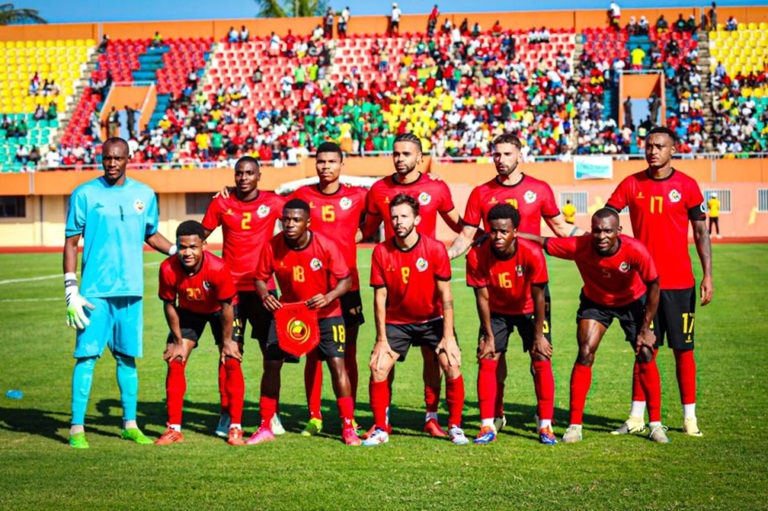
Mozambique AFCON 2025: The Mambas Are Ready to Shock Africa!

Mozambique AFCON 2025: The Mambas Are Ready to Shock Africa!

Mozambique AFCON 2025 Check: Group Test and Belief

Mozambique AFCON 2025 has rolled around with a difference from previous tournaments coming on the back of. The Mambas are wanting more now than just to make up the numbers or enjoy a qualification all on its own.

Instead they head for Morocco with the feeling that they are now here to stay and can at last rewrite their AFCON story. And now, with two consecutive qualifications achieved, the 2025 tournament seems more like an actual turning point than a free hit.

Recent Form & AFCON Qualifiers Results

Recent results for Mozambique have been definitely on the rise showing a focused and committed team. The Mambas were runners-up in a tightly contested Group I of the AFCON qualifiers, picking up 11 invaluable points from six grueling outings.

In addition, that fine return was punctuated by three notable victories, two tough draws and only one defeat. Considering the group included nations such as Mali, Guinea-Bissau, and Eswatini qualification certainly wasn’t a walk in the park, requiring lots of consistency from the entire Mambas squad.

AFCON results were other defining moments at home to group winners Mali, whom Mozambique held 1-1 in a disciplined display that highlighted growing tactical maturity and defensive solidity which only became unravelled in a 1-0 defeat away in Bamako; performances which spoke of greater organisation and the mental resilience so lacking during previous continental campaigns.

Games against Guinea-Bissau were crucial, with Mozambique capping a rare home-away double with two deserved 2–1 victories while games against Eswatini yielded four priceless points, including an invaluable win at home – form that saw them qualify on the final day of matches.

That confidence was then taken beyond the AFCON qualifiers, specifically in November 2023 when they made history by defeating Senegal 1–0 in World Cup qualifying, a result that resonated throughout African football and sent a message to other super powers on the continent: this is not just a side that can cling on against top sides but also potentially greedy when half chances emerge.

Prospects and AFCON Predictions

Mozambique go into the 2025 AFCON with expectations from outside not incredibly high – and that could suit them right down to the ground. Placed into a tough Group F with the defending champion Ivory Coast, four-time champions Cameroon and a talented Gabon team, advancing promises to be highly complicated. On paper, it is one of the strongest groups in the entire tournament. However, predictions ahead of the tournament for previous AFCONs have struggled to encapsulate the role belief and momentum can play in tournament football at this level.

The primary objective for the Mambas is simple yet incredibly symbolic: secure their first-ever AFCON finals victory. Achieving that goal would immediately rewrite national football history, creating a moment of defining national pride across the country.

Aside for that first win, the Mambas also believe that a third-place finish is obtainable and could keep qualification hopes alive. Of the group match-ups, the Gabon encounter appears to be most attainable in terms of points and is their best chance of securing a win.

That game shapes up as Mozambique’s clearest chance to test the group hierarchy and launch their tournament challenge. Meanwhile, disciplined defensive displays against the firepower of Cameroon or Ivory Coast could feasibly produce crucial draws if counter-attacking chances created are clinically taken by the forwards.

The Coach Shaping Mozambique’s Identity

Chiquinho Conde, a legend of Mozambique football, is right at the centre of an impressive national revival in Mozambique. He was hired last year and has now safely overseen consecutive AFCON qualifications for the first time in more than a decade.

Conde understands Mozambican football deeply, having been a former international striker for the team during his playing days. He knows the emotional weight and expectation of wearing the national shirt, giving him a unique and immediate rapport with all his players.

He’s embodied exactly what he has demanded of the team, underlining a focus on structure, tactical simplicity and an intense collective responsibility. So players know their roles a lot better now, it’s more about the team than showcasing individual genius or ego.

Under Conde, Mozambique typically lines up in a pragmatic and effective 4-2-3-1 shape. This is to facilitate elite defensive solidity (and not being afraid to be boring about it) as well as a reliable and potent counter-attacking threat.

Importantly, his teams rarely dominate possession statistics, yet they remain exceptionally hard to break down in central areas. That organized, defensive identity is perfectly suited to the tight, high-stakes nature of AFCON football.

The Icon Driving Belief and Leadership

Elias “Domingues” Pelembe is still the beat of Mozambican football; one of the greatest player. At 42, he still manages to defy not just age but also conventional wisdom for a country long starved of keepers, providing the calm authority and practical experience that elevate the collective game of the national side at major tournaments.

Mozambique’s most-capped international with over 115 appearances, Domingues has served the Mambas for over two decades through tough rebuilding times and phases of progress. His technical quality, vision and natural sense of leadership have inspired generations of players with his younger colleagues still looking up to him for advice; a role model of a professional man.

At club level, Domingues had a distinguished career at South Africa, where he played for SuperSport United and Mamelodi Sundowns, winning numerous league titles in one of the toughest competitions on the continent. They cemented his reputation across Africa and provided him with elite-level experience that continues to serve the national setup well.

Mozambique will look to manage him slightly better as AFCON 2025 approaches, with a spot start here and there or serving his purpose off the bench. Yet his power is undimmed, in that he brings calm, intelligence and belief when the Mambas require a firm guiding hand on the field of play and away from it.

Geny Catamo: One to Watch in AFCON Matches

Geny Catamo is the dynamic player most capable of truly shifting Mozambique’s AFCON 2025 narrative and causing a major upset for opponents. At just 24, he definitively represents the exciting future of the national team, injecting youthful energy and vital European quality into the squad.

Crucially, Catamo came through Sporting’s elite youth setup in Portugal – one of Europe’s finest academies. That high-level exposure really helped sharpen his tactical understanding, technical consistency and mental toughness in those big moments. At home on either wing or through the middle, he is simply exceptional in transition-heavy, counter-attacking tournament football. His versatility gives Mozambique vital ttacking flexibility when Chiquinho Conde needs to change shape.

In the tough AFCON qualifiers, Catamo delivered a lot of important input into the success of the team. He chipped in with important goals, made opportunities for others and carried the side. It’s just again and again that anyone trying to mark him one on one has all sorts of problems, particularly when tiredness comes for the opposition late in games.

Whether Mozambique comes through with an upset or a memorable result in Morocco, Catamo will be at the center of it all on the field. One decisive moment of skill or speed can easily define entire tournaments and launch careers onto the global stage. AFCON matches often reveal new continental stars, and Catamo fits that breakout profile perfectly given his club pedigree.

Current Squad, Key Players, and Tactics for AFCON Matches

Mozambique’s AFCON 2025 squad is a good mix of experienced senior heads and exciting youngsters currently emerging across Europe and other parts of the continent. Coach Chiquinho Conde made the sensible decision to stick with more of the players who know his compact, disciplined style. That established cohesion could prove absolutely decisive in the tight, low-scoring AFCON matches.

Tactically, Mozambique will primarily sit deep, stay compact, and invite pressure from their more favoured opponents.

Mozambique squad for AFCON 2025

Goalkeepers: Ernan (Black Bulls), Ivane Urrubal (Ferroviario Nacala), Kimiss Zavala (Maritimo).

Defenders: Bruno Langa (Pafos, Cyprus),, Oscar (UD Songo), Diogo Calila (Santa Clara), Nanani (UD Songo),Edmilson Dove (Al Quwa Al Jawiya), Reinildo Mandava (Sunderland), Mexer (Keciorengucu), Chamboco (Black Bulls), Nené (Abu Salim).

Midfielders: Dominguez (UD Songo), Alfonso Amade (Dunfermline Athletic), Manuel Kambala (Polokwane City), Keyns Abdala (Chaves), Joao Bonde (Ferroviário da Beira), Guima (Zira FC).

Forwards: Geny Catamo (Sporting Lisbon), Faizal Bangal (AC Mestre), Witi (Nacional), Gildo Vilanculos (Tadamon Sour), Chamito Alfandega (AC Viseu), Stanley Ratifo (Chemie Leipzig), Melque (UD Songo).

AFCON Historical Performance and Legacy

Mozambique’s AFCON history is one of determination, a rich tale of close-calls and gradual improvement. It will be their sixth presence at the finals and, most significantly, a second in succession since they last attended the finals in 2019. That back-to-back presence alone is the most visible evidence of a stark turn, marking off a stretch of sustained national attention and consistent progress toward change.

Mozambique have never advanced past the group stage in their five previous tournaments, managing just 5 draws and 10 losses without a win. But those numbers also obscure just how competitive some of those performances have been, with a number of the matches being decided by slim margins, late gaffes or maybe just bad luck.

Things look different under Chiquinho Conde, with the team qualifying more confidently and pushing around better opponents. AFCON 2025 offers a real chance to change the narrative, and even one victory would mark a defining moment, rewarding years of patient work and progress.

Group F Analysis: The Challenge of AFCON Matches

Mozambique has a difficult task in Group F, which sees three of Africa’s best teams together. Advances are going to require near-flawless execution and brutal exploitation of whatever limited opportunities are presented. Defending champions Ivory Coast represent the steepest climb, with quality across the pitch and the experience to control games.

Mozambique’s best route is a compact, disciplined low block designed to limit space for the Elephants’ attackers, with hopes pinned on a set piece or a rare break to grind out a narrow draw. Cameroon brings a different test.

Mozambique will have to play with confidence and composure here – they’ll look to dictate the terms and put pressure on the defense. It’s a heavyweight affair, though; they can take all three points for the Mambas and ensure a real chance of their AFCON win in their sixth appearance – one that turns this nightmarish group into something historic.

Final Thoughts on Mozambique AFCON 2025

Mozambique AFCON 2025 will mostly come down to belief and unity, refusing to bow down to reputation or past records. The Mambas come to Morocco tactically sharper and mentally stronger than ever and are not just prepared but face their Group F foes, no holds barred. It is not all going to be easy by any stretch of the term, but in a tournament that has long been haunted by fear this group are showing evidence now of having it more together than they ever have.

If they manage to keep disciplined at the back and consistently get strong performances from some of their key stars; Geny Catamo, Reinildo Mandava and Manuel Kambala, Mozambique could yet finally burst that AFCON bubble.

Even incremental triumphs, like earning a first-ever victory at one of these events or simply airing those old grievances in an open and fair setting, would represent enormous national progress and announcements of potential leading indicators for the next generation of footballers.

Categories
Africa Cup of Nations Football

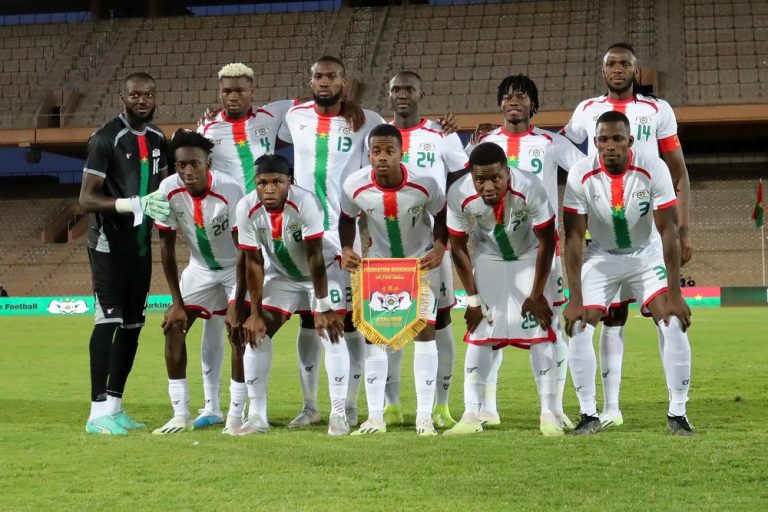
Burkina Faso AFCON 2025 Guide: The Stallions’ Path to Glory

Burkina Faso AFCON 2025 Guide: The Stallions' Path to Glory

Burkina Faso AFCON 2025 Appraisal: Squad Ceiling Defined

The anticipation is absolutely fizzing! Seriously, can the Stallions finally lift that coveted trophy? This comprehensive Burkina Faso AFCON 2025 preview is going to dive deep into their real chances.

We’re breaking down everything from recent form and key players to tactics and, yes, that wild history. Plus, we’ll analyze how the new coaching regime, fresh off some strong AFCON qualifiers showings, plans to absolutely outrank the competition and make a deep run. This tournament isn’t just football; it’s a national statement, and you know the team is itching to deliver.

Recent Form & Results: Analyzing Burkina Faso’s AFCON Qualifiers Performance

Burkina‍‌‍‍‌‍‌‍‍‌ Faso comes to AFCON 2025 with the recent performance that, looks more stable than spectacular. The main point is this: they earned their ticket to the tournament by ranking second of their group in the qualifiers for the Africa Cup of Nations after ‍‌‍‍‌‍‌‍‍‌Senegal. Most observers thought that was a totally fair reflection of where they stand.

During those qualifiers, the Stallions showed their classic, effective pattern. They were compact, genuinely difficult to break down, and just ruthless enough when chances popped up. They didn’t provide any huge scorelines, but each of the games provided points needed.

In terms of qualification, Burkina Faso did not suffer too many issues in qualifying from the group stages however; their AFCON journey was cut short when only just coming unstuck against Mali in the Round of 16.

After that fiasco, the federation responded quickly.A new coaching appointment in March 2024 aimed to refresh the ideas without torching the established core. Since then, friendlies and World Cup qualifiers have been tight, competitive affairs. Most games have been decided by tiny margins, reinforcing the idea: these guys are hard to beat, but they are still hunting for that extra attacking spark.

Prospects: AFCON Predictions and Group E Navigational Strategies

Burkina Faso head into AFCON 2025 carrying the “dark horses” tag. It suits them perfectly. Expectations are low outside, but the belief inside the camp is flying high. They’re in a tough Group E, facing the heavyweight Algeria, plus Equatorial Guinea and Sudan. The prediction? On paper, second place looks entirely achievable.

Their‍‌‍‍‌‍‌‍‍‌ experience at the tournament is overwhelmingly on their side. Just take a look at the results they have achieved in the last ten years – one final, two semi-finals, and quite a few quarter-finals. So, it is not surprising at all that their past stills very much in control of the whole team when the pressure is ‍‌‍‍‌‍‌‍‍‌high.

If they advance, knockout football is actually their perfect arena. Therefore, another deep run won’t shock anyone who actually watches African football.

The Coach: Brama Traoré’s Tactical Approach to AFCON Matches

Brama Traoré leads Burkina Faso into AFCON 2025 with a clear, specific mission. His appointment in March 2024 was a deliberate, popular move back toward local leadership. The reason? The federation wanted real cultural understanding and long-term continuity after the last foreign management cycle.

Traoré’s impressive background is a fantastic fit. He was a former international midfielder who had managed their U20s and U23s. What this means is many senior players already know his system, which instantly cut the adaptation period.

As for tactics, Traoré believes in flexibility – during the long and difficult process of qualifying for the African Cup of Nations qualifiers, Traoré made it look easy, rotating from a strong 4-3-3 to a well-balanced 4-2-3-1 to an organized 4-1-4-1 for each opponent that they faced in each match. This adaptability is key for in-match problem solving.

Organization is Traoré’s absolute deal-breaker. Defensive shape, rigorous midfield discipline, and collective pressing are his calling cards. While the attack is still evolving, control is his main priority. At AFCON 2025, Traoré faces his biggest test yet. If Burkina Faso looks sharp across the AFCON matches, he deserves mountains of credit.

The Icon: Bertrand Traoré’s Leadership in AFCON Matches

The one player who every good African Cup of Nations (AFCON) team has to have is for Burkina Faso, it is a fact that that player is Bertrand Traore. He is now in his early 30’s and remains the undisputed driving force behind Burkina Faso’s National Team.

He will enter AFCON 2025 as both the Captain and lead playmaker of the National Team, which gives him the edge of being able to feel out the rhythm of the tournament better than any other player.

His international club experience includes time with Chelsea, Ajax and Lyon. This European club experience helped develop his mental acuity and the level of professionalism he displays on the pitch.

That European exposure sharpened his mind and his professionalism. The bottom line is he gives Burkina Faso so much more than goals. He links play, wins fouls in dangerous spots, and sets the standard in training.

He has been a big game player for years. He was the driving force in the 2013 run to the finals, and the semi-finals of 2017. It’s clearly obvious he is committed to the national team and it is easy to see how that would resonate with fans.

One to Watch: Dango Ouattara and Future AFCON Results

While the veterans are crucial, Burkina Faso has exciting young talent ready to explode. The name to follow is Dango Ouattara. He’s in his early 20s, but there is a pace and directness to him.

Ouattara made an impact in the previous AFCON with some fearless runs and, importantly, a goal in the knockout stage. Since then, his club career has rocketed, including that tough Premier League experience, which sharpened his final product.

Tactically, Ouattara is incredibly versatile. He can play on either wing, stretching defenses with his runs. Perfectly enough, that movement complements Bertrand Traoré’s playmaking perfectly. His desire to take defenders on one-on-one is key. In those tight, tense AFCON matches, that quality is often the difference maker.

Current Squad & Tactics: Strategy Across AFCON Matches

Burkina Faso’s squad is a sweet spot blend of old hands and new blood. Their defense is the bedrock. Goalkeeper Hervé Koffi brings a calm, familiar presence-he’s done this AFCON thing multiple times.

In central defense, Edmond Tapsoba is the anchor. His Bundesliga experience shows in his composure. The reliable Issoufou Dayo stands next to him, adding serious muscle. They form a partnership built for the physical demands of tournament football.

The full-back areas are pure energy. Issa Kaboré, especially, provides relentless speed and width on the right. On the other side, they opt for experience and defensive caution, which is smart.

The midfield is the team’s powerhouse. Blati Touré and Gustavo Sangaré focus on winning the ball back and launching transitions. Meanwhile, Stephane Aziz Ki injects the creativity. This balance lets them switch quickly from disciplined defense to sharp attack.

Up front, the tactics are fluid. With the two Traorés and Ouattara prowling along the forward line, they could open up in a 4-3-3. On the other hand, they will fall back into a cautious 4-2-3-1 to bolster the numbers in midfield against stronger sides.

Set pieces? Massive. Burkina Faso are always a threat from free kicks and corners with their tall centre-backs. Actually, in the entire close AFCON games that have come down to a difference of less than a hairline, those moments can become instrumental.

Burkina Faso squad for AFCON 2025

Goalkeepers: Herve Koffi (Angers), Kilian Nikiema (ADO Den Haag), Farid Ouedraogo (Al Hilal).

Defenders: Nasser Djiga (Rangers), Edmond Tapsoba (Bayer Leverkusen), Issoufou Dayo (Umm Salal), Adamo Nagalo (PSV Eindhoven), Steeve Yago (Aris Limassol), Issa Kabore (Wrexham), Arsene Kouassi (Lorient), Abdoul Rachid Ayinde (Gent).

Midfielders: Blati Toure (Pyramids), Cedric Badolo (Spartak Trnava), Saidou Simpore (National Bank), Mohamed Zougrana (MC Alger), Gustavo Sangare (Noah), Stephane Aziz Ki (Wydad Casablanca), Ismahila Ouedraogo (OB Odense).

Forwards: Bertrand Traore (Sunderland), Dango Ouattara (Brentford), Ousseni Bouda (San Jose Earthquakes), Pierre Landry Kabore (Hearts), Georgi Minoungou (Seattle Sounders), Cyriaque Irie (Freiburg), Lassina Traore (Shakhtar Donetsk).

AFCON Historical Performance: The Journey to Contention

Burkina Faso’s AFCON history is a surprisingly great story of a steady, impressive climb. Their first outing was all the way back in 1978. Early tournaments were, well, rough.

The whole narrative changed in the last decade. The pivotal 2013 AFCON was huge-the Stallions stunned everyone by reaching the final. That run fundamentally changed what everyone expected of them. Even though they lost the trophy, the impact was permanent.

Their semi-final appearances in 2017 and great showings in 2021 were testament that they belonged to the challengers group. They battle hard until the very end, thus, gaining the respect of everyone.

The 1998 hosting was also a significant factor in the establishment of that football identity in the nation. Gradually, the facilities, coaching, and player development changed for the ‍‌‍‍‌‍‌‍‍‌better.

Today, Burkina Faso approaches AFCON with focused, quiet confidence. Fans don’t just cheer qualification anymore. Instead, they demand competitiveness and belief from their Stallions. Their deep history gives them both motivation and, yes, a bit of pressure. The next chapter for positive AFCON results is waiting to be written.

Categories
Africa Cup of Nations Football

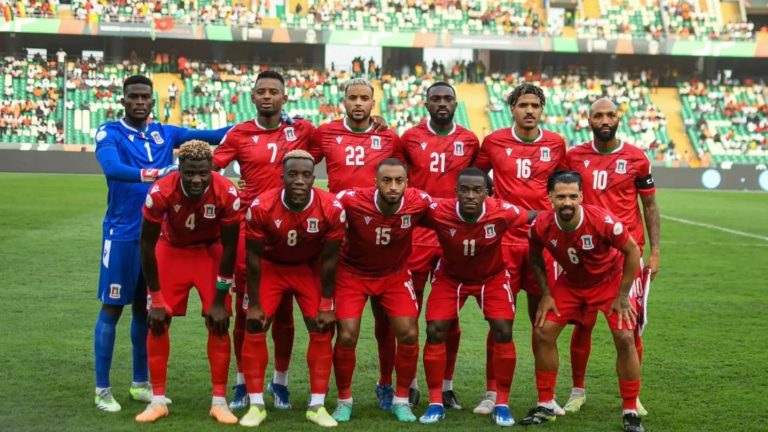
Equatorial Guinea AFCON 2025 Preview: Can the Underdogs Shock Again?

Equatorial Guinea AFCON 2025 Preview: Can the Underdogs Shock Again?

Equatorial Guinea AFCON 2025 Rundown: Fixtures and Aims

Going into the Africa Cup of Nations, nobody will expect much from Nzalang Nacional, but that may not necessarily be the case based on recent history. Once more they come as a team who can shake AFCON predictions upside down.  

With their most recent AFCON performances solidifying their reputation, Equatorial Guinea will head into this tournament prepared to irritate, to fight, and to be an underdog and shock everyone. Also, the team has a unified mentality with high motivation and are eager to demonstrate that their incredible runs in previous tournaments have been not just luck.

Recent Form & Results: AFCON Qualifiers Context

Equatorial Guinea’s journey through the AFCON qualifiers offered a clear snapshot of who they are as a team. The path was rarely smooth, yet the outcome highlighted both resilience and competitive maturity.

It was never easy, but the end showcased resiliency and competitive maturity. Placed in a tough group that included Algeria, they sensibly avoided panic and concentrated on collecting rather than dominating. It was that calm, stubborn approach that paid dividends – qualification with space to spare.

Few AFCON matches produced more shock than their ruthless 4–0 demolition of hosts Ivory Coast. Critically, that result was not built on luck but on clinical execution and deep tactical clarity.  Therefore, their reputation as giant-killers is now firmly established.

Prospects: AFCON Predictions Insight

Equatorial Guinea head into AFCON 2025 wearing a familiar label as the group wildcard. They lack the consistent depth and global profiles of Africa’s elite, yet their strong tournament track record commands extreme caution. Time and again, their compact structure and fearless mentality have undermined confident, possession-heavy opponents. For that key reason, many AFCON predictions quietly acknowledge their significant disruptive potential.

Experience represents another key advantage for the squad. There is a solid core group that has played more than one AFCON tournament together, which naturally leads to their trusting each other in chaos and high-stakes situations.

That experience often shows in superior game management, particularly when defending small leads late in games. Consequently, the team looks stable and mentally prepared.

Reaching the Round of 16 feels like a realistic target for the Nzalang Nacional. From there, knockout football tends to reward discipline and belief equally, both of which strongly define Equatorial Guinea’s tournament identity.

The Coach

Coaching continuity has long underpinned Equatorial Guinea’s AFCON competitiveness, although that stability was tested severely in the past year. Juan Micha Obiang shaped much of the modern identity of the team, guiding them to consecutive knockout stages.

Equatorial Guinea was able to develop a very defined tactical strategy based on defense and the vertical transition of the ball under Micha’s direction. At numerous African Cup of Nations (AFCON) tournaments that strategic approach produced many positive results.

He also liked to implement and utilize well organized and structured systems where the entire team shared the responsibility for defending as a group. Michas’ teams often freely gave up the ball while relying upon their positioning and timing rather than aggressively pressuring.

Following a temporary dismissal after the unfortunate strike-related fallout, Guillermo “Ganet” Nguema initially stepped into the caretaker role. However, the subsequent reinstatement of Juan Micha confirms the players’ faith and the federation’s desire for stability before AFCON 2025.

The Icon

There can be no other than Emilio Nsue for Equatorial Guinea. He has been the leading goalscorer at each AFCON since being called up, and he will be the team’s captain. While his influence is certainly felt from within 12 yards of the goal line; it also extends into the entire team.

His presence within the squad is defined by leadership, absolute professionalism, and remarkable composure. Importantly, when belief wavers within the group, Nsue instantly steadies it, offering a calming, veteran presence.

The famous hat-trick against Ivory Coast instantly entered AFCON folklore, becoming a benchmark for the team’s potential. That incredible individual performance alone reshaped how opponents were forced to approach Equatorial Guinea.

While age has naturally reduced his pace slightly, Nsue’s elite intelligence completely compensates for it. These critical instincts matter most in the high-pressure environment of knockout football.

Once reinstated, confidence returned quickly across the entire squad. As AFCON 2025 rapidly approaches, Nsue remains the clear emotional reference point and the spiritual leader. If another incredible upset materializes, his fingerprints will almost certainly be found on the resulting AFCON results.

One to Watch

Basilio Ndong offers a compelling subplot within this Equatorial Guinea AFCON 2025 preview. The left-sided defender or winger brings explosive energy, pace, and essential tactical discipline in equal measure to the flank.

His all-round game plays directly into Juan Micha’s counter-attacking system. Whenever there is space down his side of the pitch, Ndong pushes into it in an assertive fashion, adding much-needed width.

This kind of incredible flexibility really ratchets up his total value to the team. Ndong has the capacity to play like a classical offensive winger on the wing and stretch back into full-back when necessary.

Therefore, that adaptability allows Equatorial Guinea to rapidly adjust their defensive or attacking shapes mid-match without needing a substitution. During previous AFCON matches, his tireless work rate and tactical adherence earned crucial trust against technically superior opponents.

Additionally, another name gaining quiet importance is the imposing centre-back, Saúl Coco. He combines composure on the ball with dominating aerial strength, traits that are completely vital against physically imposing sides.

Current Squad & Tactics

Experience deep understanding of defensive spacing expertly limits opponents’ opportunities between the lines. This is the foundation of their success in difficult AFCON matches.

In midfield, the authoritative Pedro Obiang anchors the entire system with calm authority and superb positioning. His reliable ability to retain possession under intense pressure allows the team to instantly reset their shape when defending deep.

Importantly, alongside him, more mobile midfielders prioritize relentless ball recovery and perfect transition timing. Creativity from this central area is viewed as secondary to absolute defensive balance and control.

The primary characteristics of Equatorial Guinea’s attacking style is that of efficiency and speed. Nsue’s ability to lead the line and create opportunities through the width of the pitch, creates quick vertical options as opposed to building up from the back in a slower manner.

Tactically, therefore, clarity remains their strongest and most reliable asset, particularly when meticulously managing narrow leads late in tense AFCON matches.

Equatorial Guinea squad for AFCON 2025

Goalkeepers: Jesus Owono (FC Andorra), Manuel Sapunga (Sekhukhune Utd), Aitor Embela (Soneja).

Defenders: Esteban Orozco (FC Arges), Marvin Anieboh (UD San Sebastian de los Reyes), Carlos Akapo (Amazonas), Saul Coco (Torino), Basilio Ndong (KF Tirana), Michael Ngaah (Real Avila), Nestor Senra (Recreativo Huelva), Charles Ondo (Portland Timbers), Javier Mum (Maestro United).

Midfielders: Jannick Buyla (CD Numancia), Omar Mascarell (Mallorca), Pablo Ganet (Persita Tangerang), Alex Masogo (Beroe Stara Zagora), Alex Balboa (CD Lugo), Jose Machin (Vis Pesaro), Pedro Obiang (Monza), Santiago Eneme (Sparta Prague).

Forwards: Iban Salvador (Wisla Plock), Josete Miranda (PS Kalamata), Gael Joel Akogo (Recre Granada), Jose Nabil Ondo (Nantes B), Luis Asue (Shanghai Shenhua), Dorian Hanza (Viborg), Loren Zuniga (Real Madrid Castilla), Emilio Nsue (CF Intercity).

AFCON Historical Performance

The AFCON history of Equatorial Guinea has been an incredible counterpoint to outside expectations. The fact that they have never gone out early since their first appearance at the 2012 tournament is the ultimate compliment to a small country.

Every single appearance has ended with progression to the knockout rounds, a track record that compares incredibly favorably with more established, larger African nations.  Their legacy in this tournament is most definitely determined by their consistent, disciplined competitive nature as opposed to that of sporadically brilliant performances.

At this point in time, as we approach AFCON 2025, sustaining that impressive knockout record represents a very realistic goal. History strongly suggests that when Equatorial Guinea successfully qualify, they compete fully and fearlessly. Their ability to deliver unexpected AFCON results has become legendary.

Final Verdict: The Dark Horse AFCON Predictions

The Equatorial Guinea AFCON 2025 preview illustrates clearly how this team is based on trust in each other as well as in themselves, and has developed a solid defensive base to allow them to use their offensive skills to disrupt opponents who may be more skilled but are also often less experienced, and therefore more likely to become complacent.

Their AFCON matches were recent enough to make it clear they are capable of either frustrating bigger sides into error or taking advantage of those errors.

As long as team cohesion holds and tactical discipline remains deadly accurate, they should be in a position to think very seriously about targeting another big knockout-phase performance.

With the Nzalang National returning once more, it would be foolish for any of their competitors to dismiss them in what is often a tournament built on unexpected underdog runs.

Categories
Africa Cup of Nations Football

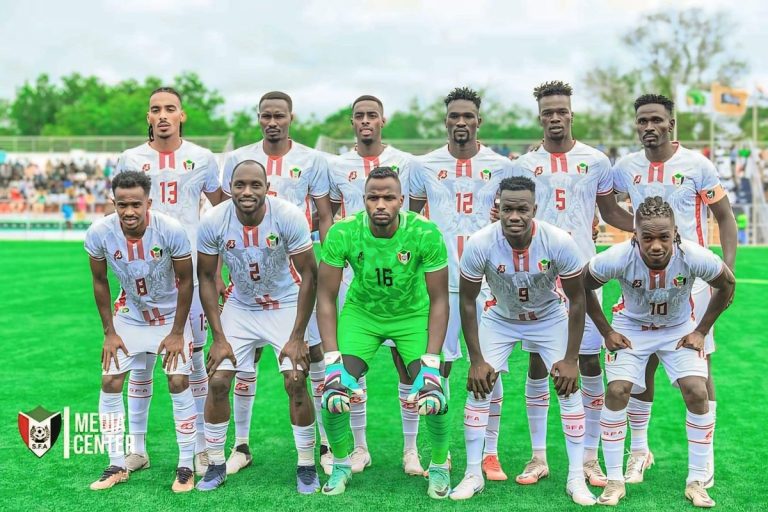
Sudan AFCON 2025 Team: Shock Qualifiers, Squad Analysis, and Tournament Predictions

Sudan AFCON 2025 Team: Shock Qualifiers, Squad Analysis, and Tournament Predictions

Sudan AFCON 2025 Inspection: Squad Growth and Targets

It is no doubt the most incredible story of Africa’s football of late for the Sudanese team in qualifying for the AFCON 2025. With the ongoing internal conflict, Nile Crocodiles were unable to host a home game, leading them to qualify after making most of their matches at a neutral venue.  

Sudan came second in Group F on 8 points and only just edged Ghana. That achievement alone absolutely reshaped how everyone sees Sudan’s national team. What happened during the AFCON qualifiers? Sudan showed determination and talent.

They claimed four from Ghana, including in a historic 2-0 victory that really shook the continent. This achievement ensured Sudan’s return to the African Cup of Nations (AFCON) as they had been absent from the previous AFCON.  

The big thing is they did a great job of defending. In all competitive games during 2024, Sudan lost only one game and made it very difficult on several strong opponents through an organized team shape.

Due‍‌‍‍‌‍‌‍‍‌ to travel problems, friendly games were limited, but they played a good number of competitive games and kept their focus and readiness at a high level. Definitely, Sudan is coming to AFCON 2025 with a confidence that is not based on throw-in-soil type things but is a result of actual, verifiable achievements. .

The Road Ahead: Sudan AFCON 2025 Predictions and Group Chances

Compared to other groups, this one will be easier for Sudan to get out of as it consists of Algeria, Burkina Faso, and Equatorial Guinea. The reality is that their best chance to get points will probably be when they face Equatorial Guinea.

That specific match could very well decide if they finish third and maybe, just maybe, qualify for the knockout stage. A win there would immediately pressure the group’s bigger names and completely shift the dynamic. Even securing a hard-fought draw could be super valuable, depending on other key AFCON results across the wider tournament.

It may be the only game to decide whether they finish third and, perhaps, even have a chance to go through to the knockout ‍‌‍‍‌‍‌‍‍‌stage. Coach Kwesi Appiah constantly stresses mental strength, reminding players that reputation doesn’t win games, period.

The Coach Guiding Sudan’s AFCON Matches and Strategy

Kwesi Appiah has genuinely transformed Sudan’s football fortunes in a surprisingly short time. Appointed late in 2023, the respected former Ghana captain took over a squad dealing with huge instability both on and off the pitch. Yet, results improved almost immediately under his calm, clear tactical vision.

Appiah is an extremely experienced coach at the international level. He was the one who coached (Ghana) at the 2014 World Cup, so he really knows about the pressure and stress of that football tournament management.

That deep background shows immediately in Sudan’s impressive composure during tight, nervy matches. As far as tactics, Appiah tends to incline towards defensively solid systems such as 4-4-2 and 4-2-3-1.

Raising Standards: Appiah’s Impact on Sudan’s Preparation

Off the pitch, Appiah single-handedly raised the entire organization’s professional standards. Training intensity, vital recovery routines, and general player discipline all got noticeably better under his demanding but fair tenure.

This minute attention to detail has significantly helped Sudan close the technical and physical gap on stronger African nations. You can see the confidence in his long-term vision; the Sudanese FA extended his contract until 2028.

Also, his experience working with big names and handling national expectations has been key. He knows exactly how to shield his current squad from external political pressures, letting the players focus solely on the upcoming AFCON matches.

The Icon Leading Sudan at AFCON 2025: Mohamed Abdelrahman

Mohamed Abdelrahman is Sudan’s most renowned person in the history of its football. The 32-year-old veteran, known by the nickname “Al Gharbal,” remains Sudan’s primary offensive asset.

Abdelrahman is better than a lot of his team-mates technically as he lets the ball do the work, he is excellent in the air and has intelligent interchanges with other players.

The Role of an Experienced Forward in AFCON Matches

At Sudan AFCON 2025, the team will rely exceptionally heavily on Abdelrahman’s efficiency. Chances might be limited against top defenses, meaning composure inside the box becomes absolutely vital. If Sudan manages to cause an upset or two, you can bet his fingerprints will be all over the decisive moments.

One to Watch in AFCON Matches: Musa Hussein’s Potential

Musa Hussein, just 18 years old, represents Sudan’s dynamic future and growing national ambition. Operating mostly from wide attacking areas, he attacks space aggressively and finishes chances with impressive composure that truly belies his tender years. While his surprising nickname “Kanté” is funny, his playing style is pure, electrifying attacking intent.

The Impact of Young Talent on AFCON Predictions

Seasoned veterans will handle the defense, sure, but Hussein offers something invaluable: genuine unpredictability. A single decisive run, a moment of brilliance, or a critical assist could easily swing momentum dramatically in Sudan’s favor during a tight encounter. Consequently, for neutrals closely following the various AFCON matches, he immediately stands out as a strong candidate for a breakout tournament performance.

Sudan AFCON 2025 Guide: Current Squad & Tactics Breakdown

Sudan’s squad is still heavily domestic-based, primarily anchored by talented players drawn from powerhouse clubs Al Hilal and Al Merrikh. That intense local familiarity helps a lot with team cohesion and deep tactical understanding. Crucially, under Kwesi Appiah, player roles are clearly defined and almost never abandoned during competitive matches, promoting total stability.

Midfield structure centers entirely on protection and disciplined play. Holding midfielders focus ruthlessly on intercepting play and shielding the defense. Box-to-box options, like the energetic Abdelrazig Omer, add vital running without sacrificing the team’s shape. This unit is the absolute engine room for the Sudan AFCON 2025 effort.

Sudan AFCON 2025 Guide: Strategic Setup for AFCON Matches

In attack, Sudan overwhelmingly favors swift counter-attacks and dangerous set pieces. The iconic Abdelrahman leads the line, supported by fast runners who use the space created. Corners and direct free kicks are often the best opportunities to score, particularly as Sudan is a known aerial dominant side.

Sudan squad for AFCON 2025

Goalkeepers: Ali Abu Eshrein, Mohamed Elnour, Monged Elneel.

Defenders: Mohamed Saeed, Altayeb Abdelrazig, Mustafa Abdelgadir, Yasser Awad, Bakhit Khamis, Mazin Mohamedein, Awad Zaid, Ahmed Abdelmonem, Mohamed Kesra.

Midfielders: Abuaagla Abdalla, Walieldin Khidr, Abdelrazig Omer, Ammar Tayfour, Salaheldin Adil, Musa Hussain, Sheddy Ezeldin, Amar Yunis.

Forwards: Yasser Mozamil, Mohamed Abdelrhman, John Otenyal, Mohamed Eisa, Elgozoli Hussain, Abobaker Eisa, Mohamed Teya.

AFCON Historical Performance and the Legacy of Sudan AFCON 2025

Sudan’s long AFCON history is full of deep, fascinating contrasts. They were among the first African Football Federation’s trailblazers competing at the very first tournament held in 1957. The group was soon achieving success as they took runner up position in 1959 and had the distinction of winning the first ever Championship, on home soil, in 1970.

That historic 1970 victory is still the pinnacle of Sudanese footballing success today. A team of legends led it into the record books for African football history. Unfortunately however, Sudan suffered through a major decline as it did not compete at several subsequent tournaments for the remainder of the thirty years following.

Final Takeaway on Sudan AFCON 2025

Sudan’s ability to advance through a difficult round of AFCON Qualifiers clearly indicates that they can compete at this level. The discipline, faith and perseverance are the three key components of the teams’ game plan.

In addition, while moving on from Group E will be difficult, Sudan has already demonstrated that a teams’ history or reputation means nothing once the game begins. This team is here to fight, and we’re here for it!

Categories
Africa Cup of Nations Football

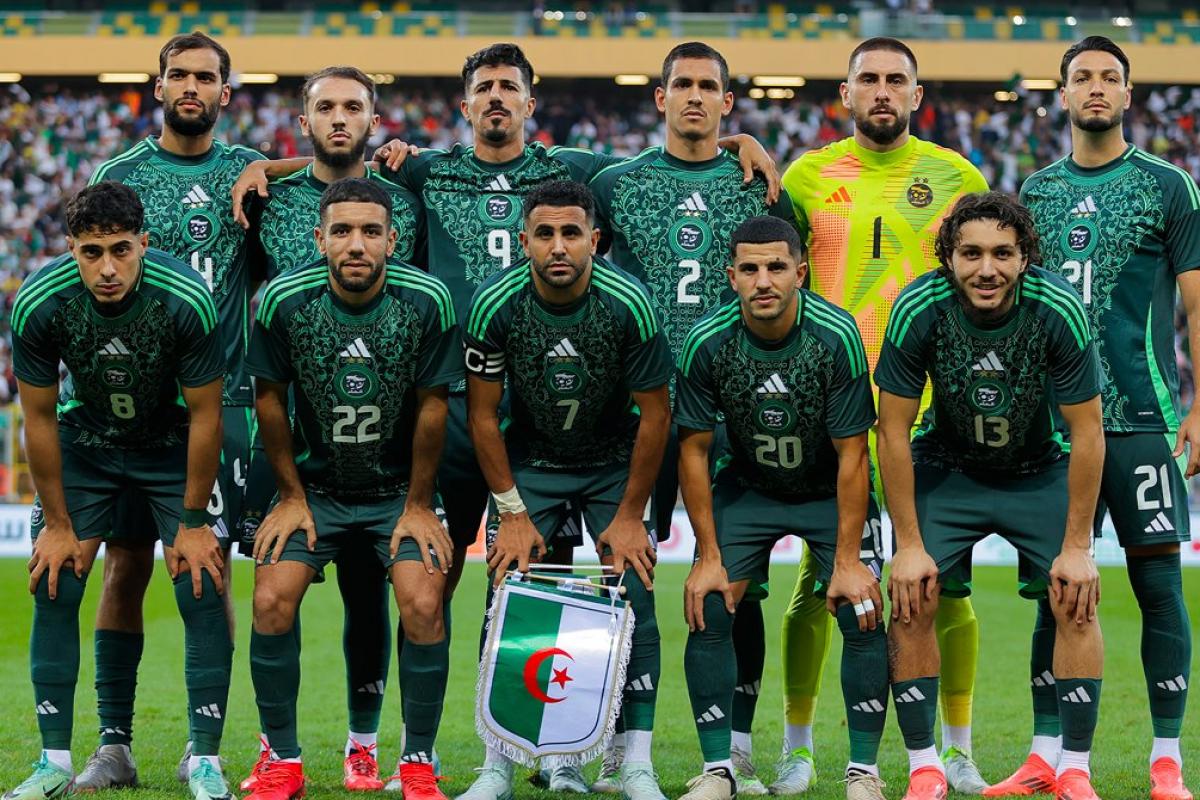
The Desert Foxes Rise: Algeria’s Tactical Blueprint and AFCON 2025 Title Challenge

The Desert Foxes Rise: Algeria’s Tactical Blueprint and AFCON 2025 Title Challenge

Algeria AFCON 2025 Preview: Tactical Blueprint Revealed

This year’s Algeria AFCON 2025 preparation are different. After years of disappointments and early departures, The Desert Foxes enter with momentum and renewed confidence. This feeling is a sense that spreads through the entire camp.

The disappointments of recent tournaments may still be felt by the players but they no longer create doubts, they fuel their hunger to succeed.

Recent Form & Results: Crucial Lessons from AFCON Qualifiers

After having their confidence built by performing consistently rather than making big promises; Algeria is going to the AFCON 2025 with that same sense of confidence. They controlled Group E in the AFCON qualification rounds. They won all of the games they played, but for one. They also outscored the rest of the field by 16-2.  

That outstanding defensive record demonstrates a more focused unit on the field as well as the players have shown much greater team discipline. Consequently, performances also showed patience and control that had been noticeably missing in previous campaigns. Still, the context of those impressive qualifiers matters significantly.

However, they were forced to reflect immediately after two major tournaments resulted in them failing to advance beyond the group stage in both, and losing each of their six matches.  Additionally, the losses suffered by Algeria to Equatorial Guinea and Mauritania exposed not only genuine complacency, but also serious lack of creativity (and overall tactical stagnation) among the players and coaching staff.

Since those humbling events, the team’s response has been remarkably deliberate and extremely focused on correction. Therefore, under new leadership, old habits changed immediately instead of being ignored, allowing a genuine rebuild to begin.

Prospects: Breaking Down the AFCON Predictions

Being‍‌‍‍‌‍‌‍‍‌ one of the strongest teams and having a lot of attention directed towards them, Algeria starts the 2025 African Cup of Nations journey as the most likely candidates to be among the first four. Experts and betting companies rank them at the top of their AFCON forecasts, and the support for this argument appears to be very reliable and ‍‌‍‍‌‍‌‍‍‌reasonable.

Squad depth, invaluable tournament experience, and recent sensational form all point in exactly the same direction for the Desert Foxes. Even so, the memory of recent failures keeps expectations healthily grounded and focused on the first match.

Coach Vladimir Petković has openly addressed that crucial balance between expectation and humility in press conferences. He accepts Algeria’s status as potential favorites while constantly stressing the importance of humility and laser-sharp focus in every training session. His clear message stays remarkably consistent: respect every single opponent and control matches through superior structure and discipline.

No success short of getting through to the Quarter Finals is too small of a goal for this incredibly gifted group of young players from Algeria. It has a very talented roster therefore there’s no doubt that Algeria is one to keep an eye on in the next round.

The Coach: Petković’s Leadership Driving the Reset

Vladimir‍‌‍‍‌‍‌‍‍‌ Petković is basically the major drivign force behind Algeria’s brilliant comeback and fresh resurgance of success. After the departure of Djamel Belmadi, he was brought in at the beginning of 2024 and thus got the power to manage a high-quality but quite dispirited team with hardly any confidence. That focused and pragmatic approach paid off remarkably quickly in terms of results and performances.

Petković brings vast international experience without any unnecessary drama or ego to the job. For example, his time coaching Switzerland included deep tournament runs and consistently calm handling of high-pressure moments on the global stage. With Algeria, he instantly added structure and shape while consciously preserving attacking freedom for the creative players.

He‍‌‍‍‌‍‌‍‍‌ smartly changes the 4-3-3 formation with the 4-2-3-1 one that is more flexible from the tactical point of view. What is more, these two are also the formations that are used by teams with a tight midfield line and a very well-organized pressing that is done in the upper part of the ‍‌‍‍‌‍‌‍‍‌field.

Algeria now presses much smarter rather than simply harder, which saves energy. That calculated tactical adjustment alone significantly reduced defensive exposure across all the recent competitive AFCON fixtures and friendlies.

Man-management also plays an absolutely central role in Petković’s successful philosophy and approach. He actively encourages the senior players to lead without ever overshadowing or marginalizing the younger, emerging teammates.

He speaks consistently about the values of unity and courage, linking elite talent with necessary responsibility in every player’s role. Since his much-needed arrival, Algeria appears noticeably calmer and more composed during difficult phases of play. Ultimately, that rediscovered emotional control could define their entire AFCON 2025 journey and surprise many AFCON predictions.

Riyad Mahrez: Shaping Key AFCON Matches

Riyad‍‌‍‍‌‍‌‍‍‌ Mahrez is still very much the one and only person that can be rightly considered the representative of Algerian football and the creative source of the team. Aged 34, he doesn’t seem to depend anymore that much on a flash of superfast pace to outplay a player, however, his global impact has grown rather than ‍‌‍‍‌‍‌‍‍‌lessened.

Mahrez captains this current side through the sheer authority earned from a lifetime of experience and colossal achievement at the very highest club level. Furthermore, his powerful legacy from the famous 2019 AFCON triumph still strongly shapes the country’s collective expectations for the current team.

In those tight, tense AFCON matches where fine moments often decide outcomes, Algeria collectively trusts Mahrez implicitly to create those magical moments. Whether through a perfectly weighted decisive pass, a clinical free-kick, or calm, composed decision-making under extreme pressure, he still shapes games decisively.

Every genuinely successful tournament side absolutely needs a transformative figure like Riyad Mahrez to guide them. Thankfully, Algeria definitively has theirs, and he is ready to lead.

One to Watch: Emerging Talent Changing AFCON Predictions

Ibrahim Maza represents Algeria’s promising future arriving slightly ahead of the predicted schedule; this is a thrilling prospect. Just‍‌‍‍‌‍‌‍‍‌ 18 years of age, the Hertha BSC winger is already one of the most talked and watched players across Europe with his bold and lively performances.

For sure, his real speed, one to the goal manner of the attack, and his off-the-ball confidence literally bring a new and very different angle to the game of Algeria from the attacking ‍‌‍‍‌‍‌‍‍‌side. Most coaches highly value unpredictability during long, arduous tournaments, and Maza offers this.

Maza operates across the entire front line with noticeable ease and natural flair for the spectacular. He possesses the ability to effectively stretch play from wide areas or skillfully drift inside to operate as a secondary striker or a genuine number 10.

Current Squad & Tactics: Depth, Balance, and Achieving AFCON Results

Algeria’s‍‌‍‍‌‍‌‍‍‌ AFCON 2025 team is a perfect mix of required experience and essential young energy in every department of the team The wonderful combination gives Algeria the option of playing it safe by dropping back and guarding their lead or going on the offensive and pushing their opponents further up the field when they want to have the ball. The awareness of the game at the right positions is still one of the main collective strengths of the ‍‌‍‍‌‍‌‍‍‌team.

This sheer variety and tactical depth keeps opponents constantly guessing about where the threat will originate. Furthermore, Algeria no longer depends solely on one singular attacking approach or a single player. Instead, they cleverly adjust their rhythm and structure based intelligently on the current game state and the scoreline, which is a key tactical advantage.

Algeria squad for AFCON 2025

Goalkeepers: Oussama Benbot (USM Alger), Luca Zidane (Granada), Anthony Mandrea (Caen).

Defenders: Rafik Belghali (Hellas Verona), Rayan Ait-Nouri (Mancester City), Youcef Atal (Al-Sadd), Mehdi Dorval (Bari), Jaouen Hadjam (Young Boys), Zineddine Belaid (JS Kabylie), Ramy Bensebaini (Borussia Dortmund, Samir Chergui (Paris FC), Aissa Mandi (Lille), Mohamed Amine Tougai (Esperance).

Midfielders: Ismael Bennacer (Dinamo Zagreb), Ramiz Zerrouki (FC Twente), Adem Zorgane (Union Saint-Gilloise), Hicham Boudaoui (Nice), Houssem Aouar (Al-Ittihad), Fares Chaibi (Eintracht Frankfurt), Ibrahim Maza (Bayer Leverkusen).

Forwards: Mohamed Amoura (Wolfsburg), Ilan Kebbal (Paris FC), Riyad Mahrez (Al-Ahli), Anis Hadj Moussa (Feyenoord), Adil Boulbina (Al-Duhail), Monsef Bakrar (Dinamo Zagreb), Baghdad Bounedjah (Al-Shamal), Redouane Berkane (Al-Wakrah).

AFCON Historical Performance: Lessons Learned for Positive AFCON Results

The Algerian fans have experienced a special mix of pride as a nation and great frustration throughout Algeria’s history at AFCON. Champions in 1990 and then, historically, a second time in 2019, it has an extraordinary handle on the components of success at the highest level of a competition.

The AFCON 2025 Algeria will be a good chance for the Desert Foxes to make their 21st appearance at AFCON, which is a phenomenal record. That perennial great longevity and faith that has come to characterize the footballing kind of nation shares in the history of African football.

Experience undeniably matters in intense tournaments that are often shaped by internal pressure, challenging conditions, and those frustratingly fine margins. Therefore, lessons learned painstakingly from past failures now directly guide the squad’s current preparation and mindset.

The Road Ahead: What Success Looks Like

Although‍‌‍‍‌‍‌‍‍‌ a big part of the excitement about Algeria at the 2025 AFCON has been focused on the brilliance of individual players, the team will actually have to be structurally and emotionally strong if they want to see the knockout stages or probably even the final of the ‍‌‍‍‌‍‌‍‍‌tournament.

This year, Algeria brings an abundance of quality in terms of team performance, demonstrated leadership and clear tactical direction to the competition which makes them a dangerous rival.   If they can keep their focus, rotate smartly with the impressive squad and believe in a winning new set-up, there’s no reason why Algeria cannot realistically go far in the knockout stages.

So, a proper title challenge is absolutely within reach rather than something to wish for the fans.  At the very least, that can offer a chance for this much hyped tournament to finally regenerate both national pride and the honor of the shirt.

Categories
Africa Cup of Nations Football

Benin AFCON 2025 Guide: Can The Squirrel Reach the Knockouts?

Benin AFCON 2025 Guide: Can The Squirrel Reach the Knockouts?

Benin AFCON 2025 Report: Tactical Identity Explored

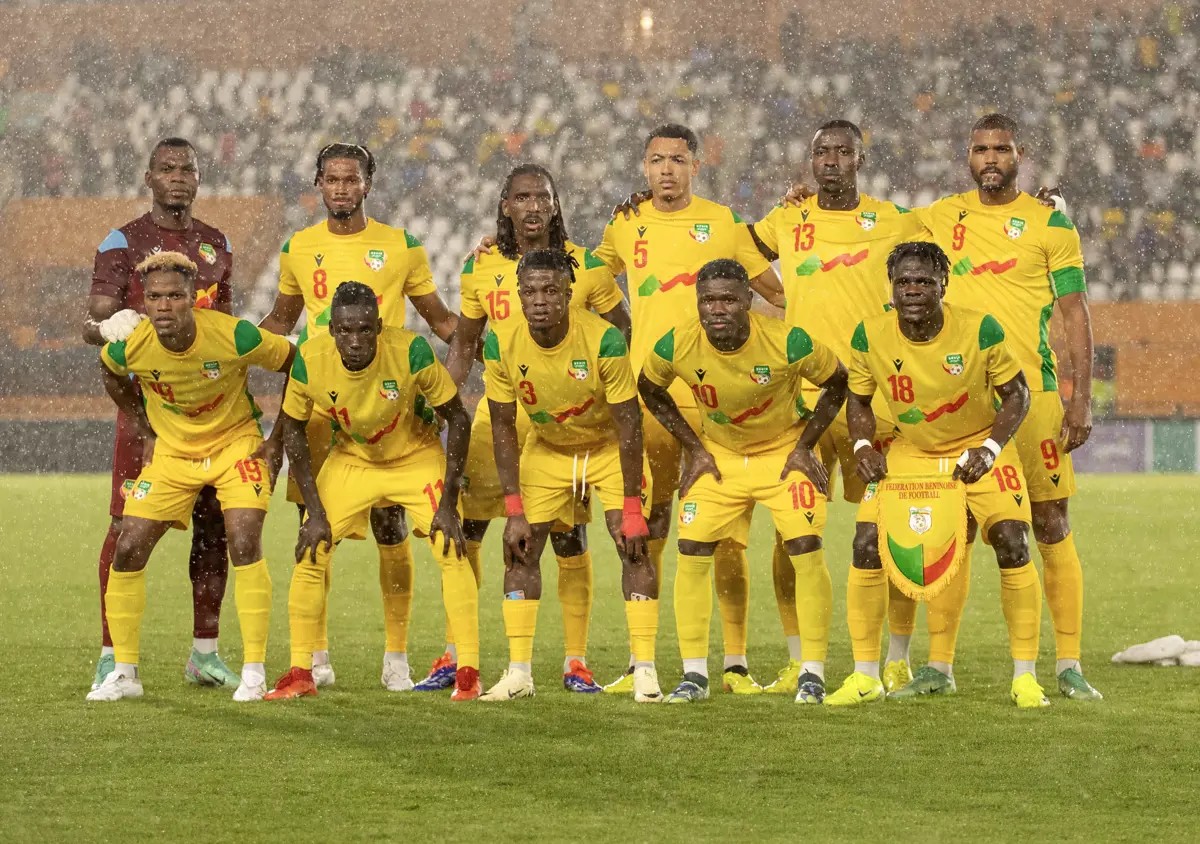
The Cheetahs (Benin) are entering the TotalEnergies CAF Africa Cup of Nations 2025, with low expectations from outsiders but high hopes from the team that they can play tactically to survive.

After a four-year absence in the previous two tournaments, there is no question what the Benin’s goal is – move out of the group round and get back to where it was when they made history by advancing into the quarter-finals in 2019.

Benin’s chances will depend on three things: their solid defensive unit, the clinical finishing from key veteran players and the explosive creativity of some of their younger talented players.

AFCON Qualifiers & Results Insight

Benin’s way into the intense 2025 AFCON competition was an entire journey of toughness and determination as the Cheetahs were tied on points in a heated Group L of the AFCON qualifier matches with Rwanda.

This is what ultimately determined Benin would move into the AFCON finals; as their head-to-head record over Rwanda in those two groups was better than that of Rwanda. It clearly showed how the team could win games at exactly the right time.

The Margin of Qualification

Benin’s hard-won 0–0 away tie with Libya was an important match in that it secured their second place finish behind the powerful Nigerian team, and therefore qualified them to the final tournament.

Across their six qualifying matches for the African Cup of Nations (AFCON) Benin won a total of two of those very closely contested games, drew two very closely contested games and lost two of the closely contested games.

In fact, seven goals across the entire campaign show the fine margins they consistently operated within.

Low-Scoring Trends Continue

The low-scoring trend did not change when Benin moved from competitive AFCON results to friendly matches during the preparation phase. Similarly, the same defensive patterns that occurred earlier, as a result of the same key fixtures, also recurred.

As such, from there on absolute every game played was either a 0–0 draw or defeat/victory by only one goal (e.g., 1–0 loss to Algeria). In the end, what is going to be key assessing Benin’s level in this frame of time will be how they react under pressure when playing big games.

Benin AFCON 2025 Matches Predictions

Benin’s current AFCON predictions place them firmly among the tournament’s expected underdogs this year. They have been drawn into a genuinely demanding Group D that includes giants like Senegal and DR Congo, alongside a challenging Botswana side.

Therefore, external expectations remain unsurprisingly low ahead of the tournament start.

The Push for the Knockout Stage

Internally, though, belief continues to grow within the tightly-knit squad. The memory of the 2019 quarterfinal run still resonates deeply in the heart of the team; it is possible with an increased tournament format that a 3rd place finish will still allow for entry into the very coveted knockout stage.

Specifically, that successful campaign absolutely proved that Benin can effectively frustrate and neutralize elite sides.

Beating the Odds in the Benin AFCON 2025 Matches

Realistically, finishing above both Senegal and a strong DR Congo side would absolutely require near-perfect execution across all three group Benin AFCON 2025 matches. However, the Africa Cup of Nations rarely follows logic or pre-tournament reputation.

The Round of 16 is a point that can be said to at least satisfying most teams’ expectations in this year’s tourney, as upsets are always normal and very interesting features in the AFCON.

Gernot Rohr’s AFCON Qualifiers Philosophy

Coach Gernot Rohr will be a key component of Benin’s drive to the AFCON 2025. The well-experienced German coach was appointed in 2023 with lots of clarity and structural identity.

Crucially, his extensive and successful history coaching teams across various African nations gives him immediate credibility inside the changing room.

Building Defensive Structure

Coach Rohr has prior experience managing Gabon (he led Gabon to the 2012 AFCON quarterfinals) and most importantly, he is an ex- Nigeria head coach (they came third at the 2019 AFCON). Right now, Coach Rohr would prefer to build it based on pragmatism, organization and tactical discipline opposed to creativity- attack.

Since his important arrival, Benin have become noticeably more difficult to break down, which was the first major objective. Just as importantly, every player fully bought into the concept of collective defensive responsibility.

Tactical Pragmatism and Leadership

Rohr consistently prioritises important values, like unity and patience, within the ranks. Yet, they remain the primary assets that win crucial points and secure knockout spots at the AFCON.

That steady, unflappable leadership is unquestionably one of Benin’s biggest assets as they approach the crucial AFCON matches.

Mounié: Focal Point for Benin AFCON 2025

Steve Mounié is still the key figure of Benin’s hopes for AFCON 2025. The towering striker delivers crucial experience and a physical identity that absolutely shapes their entire tactical approach on the field. His unique profile is the reason Gernot Rohr builds the attack around hold-up play and aerial threats.

High-Leverage Goal Scoring

He skilfully brings supporting players into the flow of the attack through powerful hold-up work. Mounié’s influential leadership matters just as much as his physical presence.  Consequently, if Benin manages to exceed the low expectations set by external observers, Mounié’s experience will have peaked at the perfect moment to guide the team forward.

Junior Olaitan: The One to Watch

Benin’s most exciting wild card is Junior Olaitan entering AFCON 2025 at age 23 when he already has the burden of creating for Benin with a lot of risk-taking in what is an extremely defensive-minded team.

He’s got technical qualities to offer, and that is needed in this team, which is very much organised defensively.

Current Squad & Tactics

Benin’s AFCON 2025 tactical identity revolves fundamentally around structure, unwavering patience, and highly controlled aggression. Under Coach Rohr, the team rarely, if ever, loses its fundamental shape. Defensive organization, therefore, remains the absolute foundation of everything the Cheetahs attempt to execute on the field.

The Defensive Backbone

At the very back of the formation, Olivier Verdon anchors the defense with impressive authority and calmness. Significantly, alongside him, Benin consistently favors defenders who prioritize positioning and interception over any adventurous forward runs. In goal, the experienced Saturnin Allagbé offers composure and absolute reliability under the crossbar.

Midfield Balance and Attack

Midfield selection for Benin focuses squarely on balance and work rate rather than focusing purely on creative passing. They efficiently recycle possession back to the wing-backs. This delicate balance remains entirely essential for the entire team’s functionality and structure.

Out wide, Benin relies heavily on raw pace, directness, and outstanding work rate from its flank players. Set pieces also represent a major, highly effective weapon for Benin, often being the only reliable way to score.

That necessary tactical flexibility could prove decisive in securing the positive AFCON results required for progression.

Benin squad for AFCON 2025

Goalkeepers: Marcel Dandjinou (Kruger United), Saturnin Allagbe (FC Chauray), Serge Obassa (Remo Stars).

Defenders: Attidjikou Samadou (Smouha), Charlemagne Azongnitode (AC Oulo), Rodrigue Fassinou (Coton Sport), David Kiki (FCSB), Abdoul Rachid Moumini (Sumgayit), Tamimou Ouorou (Unattached), Yohan Roche (Petrolul Ploiesti), Mohamed Tijani (Yverson Dport), Olivier Verdon (Ludogorets Razgrad).

Midfielders: Matteo Ahlinvi (Arsenal Tula), Mariano Ahouangbo (NK Olimpija), Gislain Ahoudo (AS Gabes), Sessi D’Almeida (Neftchi), Dodo Dokou (Leixoes), Hassane Imourane (Grasshoppers), Rodrigue Kossi (Hassania).

Forwards: Adam Akimey (Helsingborgs), Rodolfo Aloko (NK Kustosija), Romaric Amoussou (ASEC Mimosas), Jodel Dossou (Pays du Valois), Steve Mounie (Alanyaspor), Junior Olaitan (Goztepe), Razack Rachidou (NK Kustosija), Olatoundji Tessilimi (SJK Seinajoki), Aiyegun Tosin (Lorient).

AFCON Historical Performance

The overarching AFCON history of Benin is a story more related to persistence and consistent work rather than experiencing a long, unbroken run of wins on the African continent. Before sailing through the qualifications in 2019, Benin had never experienced going beyond the usually tough group stages at the AFCON. That’s why the present qualification to play in the AFCON 2025 is more than remarkable.

The 2019 Moment

For Benin, it is a different story since 2019, when they participated in the AFCON Tournament. Benin were able to obtain draws from each of the first-round group stage matches they played against difficult opponents.

Benin’s Round of 16 performance was even more astonishing when they achieved an historic upset that stunned the favorite Morocco. This success fundamentally altered how people perceive Benin as a football nation.

The Challenge of Progression

The acceleration which followed has been really hard to maintain. Benin somehow missed out on all of both the 2021 and 2023 AFCON. It was a triumphant return for Benin to the AFCON tournament in 2025, and you can see it as the coming together of when Coach Rohr set up with everything falling into place.

Interestingly, Benin holds a unique and telling statistic: they have never actually won an AFCON knockout match inside the regulation ninety minutes of play.

The Road Ahead: Benin’s Path to the Knockouts

Benin’s AFCON 2025 prospects may not excite the bookmakers or the casual observer. The Cheetahs arrive at the tournament with impressive clarity, strong unity, and a proven system built perfectly for survival. Defensive solidity remains their enduring calling card and the bedrock of their entire tactical approach.

Attacking limitations still certainly exist within the squad. Yet there is more belief, and even faith and optimism, among the current group of players than there had been in the past.

And with their strong showing in the group phase, and with a place in the Round of 16 locked down, the good vibes that derived from reaching the round could propel Benin to greater heights at later stages of the 2025 competition.

Categories
Africa Cup of Nations Football

Botswana AFCON 2025 Preview: Can the Zebras Defy the Odds?

Botswana AFCON 2025 Preview: Can the Zebras Defy the Odds?

Botswana AFCON 2025 Snapshot: Outsiders’ Chances Rated

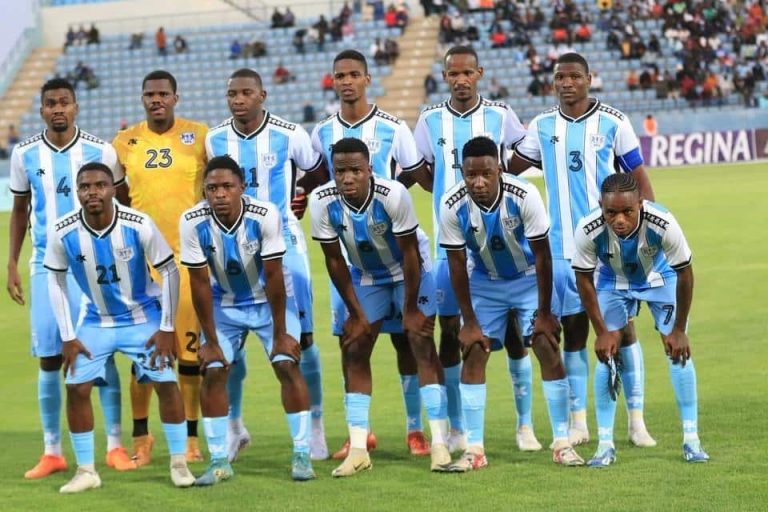
Botswana AFCON 2025 guide will start from qualifiers and would largely be about discipline and patience. The “Zebras” collected 8 very tough points from their 6 Africa Cup of Nations qualification matches to end second in their qualifying group.

Discipline in defending and the organization of the defensive unit helped the Zebras complete the qualifying round. The footballing world took note when Botswana secured a vital 1–1 draw away to tournament favorites, Egypt.

That historic result dramatically secured their highly anticipated qualification and proved Botswana could survive sustained, top-tier pressure. Botswana collected steady, professional results against similar continental opposition. A narrow home win over Cape Verde and a crucial away draw against Mauritania kept momentum alive.

Each performance strictly followed a familiar pattern of compact, low-block defending and careful risk management. Two additional 0-0 results in AFCON Qualifiers vs. Rwanda and Burundi have exposed similar attacking limitations for the team.

Botswana’s AFCON Qualifiers campaign has seen them concede a staggering 7 total goals; an impressive defensive record. Botswana appear perfectly comfortable without possessing the ball. Their confidence comes purely from structure, stability, and mutual trust.

Prospects and AFCON Predictions for Botswana

A realistic and modest Botswana go to AFCON 2025 as underdogs. The AFCON 2025 is only the second time that Botswana has qualified for the finals.

Group D immediately presents a severe, demanding test for The Zebras in the opening stages. Senegal brings elite quality; DR Congo adds significant depth, while Benin offers tactical complexity.

Botswana logically sits near the bottom of all expert AFCON predictions. Any points secured in the group stage would be absolutely historic. Even a single draw this time around would immediately signal huge progress.

Opponents may incorrectly expect an easy match, which often breeds impatience. Botswana consistently thrive when the tempo of games slows down. The fixture against Benin likely offers the clearest opportunity for points and is considered the must-win tie. Progression to the knockout rounds remains highly unlikely, yet competitiveness feels absolutely achievable against all opponents.

Botswana will precisely measure success through team discipline and earning respect from their rivals. AFCON results historically deliver major upsets and surprises.

Botswana AFCON 2025 Guide: The Coach and his Guiding Philosophy

Morena Ramoreboli is at the very center of Botswana’s uplifting AFCON 2025 story. The coach was appointed to guide Botswana through the most important qualifying matches in the interim capacity.

The career-defining draw secured in Egypt permanently defined his early tenure.  Soon after that crucial achievement, he deservedly earned the permanent head coach role. At just 43 years old, Ramoreboli impressively blends youthful energy with deep, specialized regional experience.

Ramoreboli has extensive experience with Jwaneng Galaxy which gives him a deep understanding of the entire pool of available talent in Botswana.  Ramoreboli deeply understands the squad’s inherent limits and consistently avoids unnecessary tactical risks.

Additionally, the coach emphasizes the psychological strength and resilience of his players when they face intense pressure. Additionally, he also places a huge amount of emphasis on fitness and focus (mental) preparation of each and every one of his players.

The Icon and Leader on the Pitch

Thatayaone Ditlhokwe represents the essential spirit and identity of Botswana’s national team. As a highly visible and key center back, Ditlhokwe is a mainstay in the defense of his team and as a top player in the league, his move to the storied South Africa side, Kaizer Chiefs has dramatically increased his international status.

Participation in top level play helped to quicken Ditlhokwe’s processing of the game and increase his speed of decision making in critical moments. In addition to being a consistent presence in all matches through the difficult AFCON Qualifying process, Ditlhokwe was a model of endurance and leadership for his teammates. The defining away draw against Egypt showcased his invaluable leadership skills best under maximum pressure.

More importantly than his defensive work, he consistently sets the highest emotional standards for the squad. Younger players visibly draw huge confidence from his steady, veteran presence.

One to Watch for AFCON Matches

The majority of Botswana’s attacking hope for the finals will be placed on Tumisang “Teenage” Orebonye (29).

Orebonye has had a number of years of professional soccer experience in both Morocco and the UAE which provides him with valuable international soccer experience. Orebonye consistently thrives on extremely limited service and often must create scoring chances for himself.

As part of the intense pressure of the AFCON qualifying rounds, Orebonye scored a number of match-winning goals. Physically, he has both substantial power and excellent aerial ability combined with fast acceleration.

He attacks space decisively and without hesitation. Orebonye consistently avoids that common mental trap by being direct and aggressive. Facing elite, tournament-proven defenders in Group D will certainly test his skill, bravery, and composure.

High-stakes matchups against top-level center-backs from Senegal and DR Congo will rigorously demand exceptional bravery. If Botswana manages to score any goals at AFCON matches in 2025, Orebonye’s direct involvement feels highly likely. For neutral fans seeking a breakout talent, he embodies Botswana’s entire attacking moment.

Current Squad & Tactics Shaping AFCON Results

Botswana approach the AFCON matches with a clearly defined, deeply ingrained defensive blueprint. Head Coach Ramoreboli usually organizes his team in a compact 4-5-1 or a very narrow 4-4-2 formation. Both systems are designed to collapse quickly under sustained pressure. This guarantees numerical superiority in the central areas.

The back four reliably revolves around the indispensable captain Thatayaone Ditlhokwe. Crucially, the fullbacks are instructed never to overlap together. Gape Mohutsiwa is typically a center fielder using his physical presence as the foundation of that role.

In addition to Gape’s physical presence, the offense for Botswana primarily uses its transition based speed, counter attacks and organized set piece plays to advance into the last third of the pitch.

Crucial support usually arrives late from the wide midfield areas. Set pieces currently offer the most reliable and realistic scoring chance.

Botswana squad for AFCON 2025

Goalkeepers: Kabelo Dambe (Township Rollers), Keeagile Kgosipula (Mochudi Centre Chiefs), Goitseone Phoko (Jwaneng Galaxy).

Defenders: Mosha Gaolaolwe (Township Rollers), Thatayaone Ditlhokwe (Al-Ittihad), Tebogo Kopelang (Jwaneng Galaxy), Alford Velaphi (Gaborone United), Mothusi Johnson (Gaborone United), Chicco Molefe (Jwaneng Galaxy), Thabo Leinanyane (Jwaneng Galaxy), Shanganani Ngada (Mochudi Centre Chiefs).

Midfielders: Godiraone Modingwane (BDF XI), Gape Mohutsiwa (MC Oran), Mothusi Cooper (Township Rollers), Lebogang Ditsele (Gaborone United), Monty Enosa (Mochudi Centre Chiefs), Olebogeng Ramotse (Jwaneng Galaxy), Gilbert Baruti (Mochudi Centre Chiefs), Thabo Maponda (Gaborone United).

Forwards: Omaatla Kebatho (Jwaneng Galaxy), Kabelo Seakanyeng (MAS Fes), Thabang Sesinyi (Jwaneng Galaxy), Tumisang Orebonye (Wydad Casablanca), Segolame Boy (Sua Flamingoes), Losika Ratshukudu (Ubuntu FC), Thatayaone Kgamanyane (Gaborone United).

AFCON Historical Performance and National Context

The official AFCON results history of Botswana is also quite limited. 2012: Their first trip to the finals. That challenging tournament, however, offered harsh, tough lessons about the gear needed for that high level. All three of Botswana’s group games were lost that year.

Unfortunately, Botswana did not win a single group stage game the same year. They failed to qualify once again for more than 13 years after the 2012 edition. Botswana is one of the least experienced and smallest countries that has ever qualified for the AFCON. But Botswana has never tasted a win during the finals of AFCON.   

That difficult reality strongly frames the external and internal expectations. Furthermore, the limited history means that modern opponents often lack detailed historical tactical data. Even without guaranteed progression, simple participation at the finals significantly strengthens the foundation of the national football system. Exposure to this elite level immediately raises tactical standards.

As The Zebras courageously write only their second AFCON finals chapter, pressure and external expectations naturally fade away. The entire journey is already a significant victory for the country’s footballing story.

Botswana’s Long-Term Strategy and Football Development

Success in AFCON 2025 will be a massive psychological and strategical triumph for BW football. All of these have resulted in massive investment to develop youth training infrastructure, which synchronized well with the Botswana Football Association (BFA)’s dwindling financial resources. Ramoreboli’s heavy reliance on local league players is a deliberate strategy to build chemical cohesion.

The BFA recognizes that the financial windfall must be strategically reinvested into the footballing infrastructure. The primary focus will be on strengthening the professional standards of the domestic league. Creating more professionals is the next great, difficult task for the BFA.

The development pipeline through the national U-17 and U-20 sides is seen as crucial for sustaining this success. The goal is to establish The Zebras as consistent participants in future tournaments. That will require a cultural shift where his players are expecting strong, disciplined performances.  

The BFA is keen to secure more long-term partnerships with European clubs for professional pathways. Such exposure is the quickest way to close the technical gap.g

Categories
Africa Cup of Nations Football

DR Congo AFCON 2025: Why the Leopards Are Dangerous Contenders

DR Congo AFCON 2025: Why the Leopards Are Dangerous Contenders

DR Congo AFCON 2025 Briefing: Squad Depth and Threat

As anticipation builds for DR Congo at AFCON 2025, the Leopards are coming to this tournament on a roll that will be important for African Football. In the last eighteen months, the Leopards have been quietly creating an extremely impressive run in continental football, they have now become real threats.

The significance of this run lies in the fact that it was consistently demonstrated in competition matches; as such the team’s mental toughness and confidence, are both apparent and clearly demonstrate a significant change.

Recent Form & Results: AFCON Qualifiers Momentum

To this effect, the team’s preparations towards AFCON will be hinged on how they performed during the qualifying rounds.  They obtained nine points from their six qualifying matches, which consisted of winning three matches and drawing the remaining three in Tanzania, Guinea and Ethiopia.

DR Congo was able to maintain well-organized defense and personal calm for most of each game. Momentum swiftly carried into their subsequent World Cup qualification fixtures, where overall performances became even more eye-catching. Against strong opposition like Senegal, DR Congo showed they no longer fear the biggest occasions.

Across their last eight competitive matches, DR Congo thankfully remain unbeaten across all fixtures, which is an exceptional accomplishment. That dominant run includes important qualifiers, high-stakes playoffs, and previous tournament appearances.

Prospects: AFCON Predictions for DR Congo

Expectations around DR Congo AFCON 2025 feel genuinely different, especially because of the robust structure built by Desabre. This time, optimism rests on firm tactical structure rather than just on simple hope. As a result, informed AFCON predictions increasingly place the Leopards among the most dangerous outside contenders.

The Group D is going to be the most competitive group where each participant needs to demonstrate their best performance in order to have any success. The biggest challenge for the other teams will be Senegal while Benin and Botswana will present very different tactical challenges.

A top-two finish in Group D feels like the absolute minimum requirement. Finishing first actually remains a highly realistic target. Moreover, the Leopards have already successfully shown they can consistently frustrate Senegal.

Anything short of reaching the quarter-final stage would certainly feel disappointing for the entire nation. However, internal ambition extends significantly further than that initial target. Internally, this focused group strongly believes a semi-final or even a final appearance sits realistically within their grasp.

Still, complacency thankfully remains the only main danger this focused team faces. Therefore, maintaining maximum focus and intensity must remain completely non-negotiable in every single fixture.

If DR Congo successfully maintains their emotional control and tactical discipline, they are absolutely projected to progress deep into the competition. AFCON 2025 finally feels like a genuine and realistic opportunity for this nation.

The Coach: Architect of Successful AFCON Results

Sebastian Desabre is an excellent building block for DR Congo’s massive improvement and backbone of the team. Since his appointment in August of 2022, Desabre has been able to affect the mentality of the team as much as how the team plays.

Most notably, however, Desabre’s influence goes far beyond simply creating game plans or drawing up game diagrams; he has provided the team with a feeling of safety and emotional stability, which was, previously absent.

Desabre initially inherited a fragmented group. Quickly, he introduced much-needed clarity, accountability, and mutual trust. As a result, players now understand their individual roles completely.

His vast African coaching experience shows clearly in his excellent adaptability. Previously, he successfully guided Uganda to the AFCON knockout rounds and also won domestic titles. That specific background helps him brilliantly manage all varied opponents.

Transitions define his attacking philosophy. When DR Congo successfully win the ball back, they instantly attack decisively and vertically. Consequently, opposing teams constantly struggle to quickly reset their defensive shape. This rapid attacking style is a major weapon.

He is going into AFCON 2025 as one of the most underrated coaches in this tournament. If DR Congo successfully progress deep, his tactical fingerprints will certainly be visible, especially in defensive solidity. The stability he created is the true engine of the team’s ambitions.

The Icon: Leadership in Crucial AFCON Matches

Every successful AFCON side desperately needs a true leader who can effectively set the tone. For DR Congo, that definitive figure remains the defensive stalwart Chancel Mbemba. With well over 100 international caps, Mbemba deservedly holds multiple national appearance records. That kind of experience reveals itself powerfully and really only in high-pressure, defining moments.  

His powerful leadership extends well beyond the standard ninety minutes. In the camp environment, he conscientiously mentors younger players. His calming presence actively stabilizes any emotional swings during long, demanding tournaments.

Fans trust him implicitly because of his consistent performance. When important matches unfortunately turn chaotic, Mbemba effectively restores order. That reliability consistently builds immense belief throughout the entire competitive squad.

One to Watch: Breakout Potential at AFCON

Every AFCON tournament inevitably introduces exciting new names to a wider global audience. For DR Congo, the young Noah Sadiki perfectly fits that promising breakout profile. At just 19 years old, he already successfully shows. He progressed through the youth development program at Anderlecht and made a huge transfer to Sunderland.

Crucially, Championship football has powerfully accelerated his overall development. In the AFCON qualifiers, he notably impressed as a substitute, never looking out of place. Rather than forcing hurried play, he intelligently simplified his decisions. That impressive composure clearly stands out.

Technically, he handles heavy defensive pressure comfortably. His excellent first touch quickly allows him to escape the tightest spaces. Therefore, that specific quality perfectly suits DR sa

Sadiki also contributes exceptionally well defensively in the wide areas. When deployed at right-back, he offers immediate security. That valuable tactical flexibility significantly increases his overall chances of earning vital match minutes.

AFCON environments mentally test even the most experienced young players. However, Sadiki’s notably calm demeanor strongly suggests he will confidently embrace the massive challenge. Coaches already have established trust in him.

Current Squad & Tactics: Approach to AFCON Matches

DR Congo’s AFCON 2025 squad depth genuinely represents one of their biggest overall strengths. Consequently, that tactical flexibility becomes absolutely vital.  

When required to defend, they expertly absorb the continuous pressure patiently. Furthermore, once possession is forcefully turned over, they immediately transition aggressively into attack mode.

Tactically, DR Congo clearly prefers a dynamic 4-3-3 system that quickly morphs defensively. When protecting a narrow lead, it frequently becomes a compact 4-5-1 formation. That tactical flexibility effectively frustrates many opponents.

Pressing triggers remain very selective; they are not a team that presses non-stop. Rather than applying constant high pressure, DR Congo chooses their pressing moments wisely. This necessary approach successfully preserves the team’s energy.

DR Congo squad for AFCON 2025

Goalkeepers: Timothy Fayulu (FC Noah), Lionel Mpasi (Le Havre), Matthieu Epolo (Standard Liege).

Defenders: Aaron Wan-Bissaka (West Ham United), Gedeon Kalulu (Aris Limassol), Arthur Masuaku (Sunderland), Joris Kayembe (Genk), Rocky Bushiri (Hibernian), Axel Tuanzebe (Burnley), Chancel Mbemba (Lille), Steve Kapuadi (Legia Warsaw).

Midfielders: Noah Sadiki (Sunderland), Edo Kayembe (Watford), Samuel Moutoussamy (Atromitos), Charles Pickel (Espanyol), Ngal’ayel Mukau (Lille), Mario Stroeykens (Anderlecht), Theo Bongonda (Spartak Moscow), Michel-Ange Balikwisha (Celtic), Nathanael Mbuku (Montpellier), Brian Cipenga (Castellon).

Forwards: Simon Banza (Al Jazira), Fiston Mayele (Pyramids), Samuel Essende (Augsburg), Meschack Elia (Alanyaspor), Cedric Bakambu (Real Betis).

AFCON Historical Performance

DR Congo proudly carry one of AFCON’s absolute richest legacies. Competing previously under the name Zaire, they successfully lifted the prestigious trophy twice, establishing a strong foundation. Their famous titles in 1968 and 1974 defined a true golden era.

Those significant triumphs firmly established their continental credibility. Decades after those stunning victories, opponents treated AFCON matches with absolute seriousness. And that deep history continues to harden the national team’s expectations.

The 1998 AFCON marked an impressive recovery. The DR Congo side made it past the group phase to reach the semi-finals and ended up third. That successful campaign effectively reintroduced them back into the elite continental conversation.

Another significant highlight arrived in the 2015 tournament. Playing with impressive attacking freedom, the Leopards successfully claimed the bronze medal position. Consequently, that specific tournament captured immense neutral support.

In addition, the future certainty of its potential was further solidified with progression to 2023 AFCON. A powerful semi-final and a fourth place was further evidence of recovering consistency. Importantly, this performance proved that their current success was not a one-off.

Across 22 total AFCON appearances, DR Congo have successfully played nearly eighty demanding matches. That vast experience base significantly matters. Younger players now successfully inherit that deep-rooted tradition.

They were absent from the 2021 edition, but their return was remarkable. Qualifying strongly and performing well since then has successfully restored immense confidence. Therefore, the current cycle now finally feels sustainable.

The 2025 AFCON provides an opportunity for the gap in years between two generations of players to be bridged by DR Congo using its successful past as a platform to build on the organization it is currently developing. Legacy alone will never win championships; however, legacy can start that process of belief.

Categories
Africa Cup of Nations Football

Senegal AFCON 2025 Preview: Reigning Champs Seek Glory

Senegal AFCON 2025 Preview: Reigning Champs Seek Glory

Senegal AFCON 2025 Examination: Defending the Crown

Senegal‍‌‍‍‌‍‌‍‍‌ is going to be the ‘’scariest’’ team for the rest of the competitors at the Africa Cup of Nations. But their blend of experience, hard work, and tactical discipline is beyond any other ‍‌‍‍‌‍‌‍‍‌team. Because of that, expectations feel heavy but completely justified.

The Lions of Teranga no longer travel as hopeful challengers. They are coming in with a calm and confident attitude of a team that is expected to win and that makes all the difference.

This confidence will affect everything from which players get picked for the game and how the game is managed, during and after the game. A team can’t have anything less than a good run in the tournament and still feel like they are missing something, but if this is the team’s goal it’s to repeat as champions again.

AFCON Recent Form & Results

Less‍‌‍‍‌‍‌‍‍‌ teams will be able to qualify for the 2025 African Cup of Nations than Senegal with the same energy. The main reason for the Senegal’s energizing is the rock-solid backline they have gone on to set up during the qualifying stage of the ‍‌‍‍‌‍‌‍‍‌competition. In qualifying, Senegal won all five games in their group and drew one.

In doing so, Senegal scored ten goals while only allowing their opponents one goal, thus demonstrating almost an ideal balance between offense and defense. Their‍‌‍‍‌‍‌‍‍‌ run thus was a great reminder of their stature as the most all-rounded team of Africa.

Senegal’s‍‌‍‍‌‍‌‍‍‌ incredible defensive record after they secured their qualification is a very obvious signal of how hard they are to beat. Actually, their last competitive loss is from over two years ago, which is a very unexpected fact that highlights their defense as the main reason for their quiet and controlled performances.  

It is precisely this sort of consistency that distinguishes serious contenders of international trophies from serial winners. Getting to the World Cup gave the team another level of ‍‌‍‍‌‍‌‍‍‌confidence. Senegal navigated a tricky group phase without defeat, including two demanding fixtures against DR Congo.

A very difficult point at home and an experienced win on the road showed that the team has maturity in various game scenarios. The result of those games were important for what they represented beyond the standings as it was an indicator of how the team could produce points.

Prospects: Analyzing Tournament Structure

Senegal has clear and very direct expectations. A quarter of the final place and beyond will be considered as an achievement while anything less than a semifinal will be considered a fiasco. They are going into their group (Group D) with a sky-high advantage in terms of ‍‌‍‍‌‍‌‍‍‌talent. Consequently, most reputable projections have them finishing top of their group comfortably.

That said, AFCON never offers guarantees, and complacency is a silent killer. DR Congo remain the most credible group-stage threat, possessing quality to cause an upset. Still, Senegal have consistently shown they know exactly how to manage tournament pressure. Therefore, the focus remains firmly on securing all nine points.

Once past the group stage, experience becomes absolutely decisive. Many players have already featured in AFCON finals and World Cup knockout games. That familiarity with pressure-cooker environments reduces the chance of panic. In tournament football, calm and tactical discipline often wins games over raw talent.

Senegal AFCON 2025 Preview: The Coach

Pape Bouna Thiaw is a new but steady chapter. Appointed after Aliou Cissé’s successful reign, he inherited stability. That foundation allowed him to refine tactical details. So far, his impact looks clear: Senegal are more flexible and slightly more aggressive in transition.

Thiaw favors proactive and high-energy football, aiming to dominate possession. Thus, his teams will all be trained to get the ball back as swiftly as they can. Senegal’s tactics have typically been in a 4-3-3 shape that is very fluid (or) even a 4–2–3–1 system.

The wide area of the pitch has been very important for Senegal, as both full backs are sent extremely high in order to gain width. Midfielders adjust constantly to cover the vast spaces, maintaining a strong central structure. This sophisticated structure keeps the team compact.

Defensive discipline remains entirely non-negotiable under Thiaw, a trademark inherited from the Cissé era. The back line stays organized, physical, and operates with a high line. Midfielders recover shape immediately after losing possession. That defensive balance allows Senegal to play boldly.

Man-management has also been a major standout feature of Thiaw’s young reign. Younger players receive genuine chances in key matches.

The Icon

Although Sadio Mané is not as sharp on the pitch as he once was (35), he remains the driving force.  His clever movement off the left wing creates essential space for teammates. This strategic awareness makes Senegal far harder to defend against. Leadership remains his strongest, and arguably most important, weapon.

Mané sets pressing standaards that younger players must match, leading by example. Younger players follow his guidance instinctively because his quality are undeniable. That level of accountability lifts the entire squad’s performance.

Mané has delivered them repeatedly, especially in the last AFCON. Another strong, influential AFCON performance would elevate his legacy further. In Senegalese football history, his place is already secure.

Senegal AFCON 2025 Preview: One to Watch

Nicolas Jackson brings thrilling unpredictability and electric pace to Senegal’s already stacked attack. Still relatively early, he offers direct running and fantastic movement through the middle. His specific profile contrasts sharply with more experienced forwards. That difference immediately adds tactical variety.

Jackson thrives most on the space created behind high defensive lines. He times his runs sharply, exploiting the space between defenders. When opponents step high to squeeze, he is the player ready to punish them. That constant threat forces opponents to defend deeper than they might want.

In tournament football, where the schedule is relentless, squad rotation matters intensely. Jackson allows Senegal to completely change the attacking rhythm. He can easily start matches or shift the game’s momentum completely from the bench. That flexibility and high-impact potential could prove decisive.

AFCON often creates genuine breakout stars. If his confidence arrives early, Senegal’s already dangerous attack instantly becomes even more potent. The attention he draws will also free up space for wide players like Sadio Mané.

Current Squad & Tactics

Senegal has perhaps the most World Cup players, and therefore the majority of depth to choose from-a significant edge when it comes to competition.

Each individual position has at least two quality player options. That immense depth allows for essential rotation without losing quality, which is vital.

Full-backs play an absolutely vital and highly demanding attacking role. They push extremely high up the pitch and stretch the pitch. This constant coordination keeps the team balanced.

Set-pieces remain another significant strength for this powerful squad. Exceptional height and consistent delivery create constant danger. Koulibaly and Jackson dominate aerial duels. Tight matches are often decided by dead-ball goals, and Senegal is tailor-made.

Senegal squad for AFCON 2025

Goalkeepers: Mory Diaw (Le Havre), Yehvann Diouf (Nice), Edouard Mendy (Al-Ahli).

Defenders: Ilay Camara (Anderlecht), Krepin Diatta (Monaco), El Hadji Malik Diouf (West Ham United), Ismail Jakobs (Galatasaray), Kalidou Koulibaly (Al Hilal), Antoine Mendy (Nice), Moussa Niakhate (Lyons), Mamadou Sarr (Strasbourg), Abdoulaye Seck (Maccabi Haifa),

Midfielders: Lamine Camara (Monaco), Pathe Ciss (Rayo Vallecano), Habib Diarra (Sunderland), Idrissa Gana Gueye (Everton), Pape Gueye (Villarreal), Pape Matar Sarr (Tottenham Hotspur).

Forwards: Boulaye Dia (Lazio), Habib Diallo (Metz), Assane Diao (Como), Nicolas Jackson (Bayern Munich), Sadio Mane (Al Nassr), Ibrahim Mbaye (Paris St-Germain), Cherif Ndiaye (Samsunspor), Iliman Ndiaye (Everton),, Cheikh Sabaly (Metz), Ismaila Sarr (Crystal Palace).

AFCON Historical Performance

Senegal’s AFCON journey has historically been long, emotional, and often heartbreaking. For many years, they carried the label of ‘nearly men’. Finals appearances in 2002 and 2019 both ended in cruel heartbreak. That difficult history shaped the squad’s hunger.

It was 2021 when Senegal experienced their major break through with the victory, which would give a huge sense of relief to a nation as a whole lifting a large burden off of the shoulders of the entire country. It validated a talented generation built patiently. Since that iconic moment, the expectations have shifted permanently.

Recent tournaments show consistent, steady progress. Four consecutive quarter-final appearances before their 2021 triumph highlight an incredible reliability. Defensive solidity under the leadership of Koulibaly underpinned that long, successful run.

Historically, Senegalese teams blend natural flair and attacking talent with a deep, physical strength. That core identity remains perfectly intact today. Past lessons learned have only strengthened the collective belief. This squad understands exactly what winning requires.

As AFCON 2025 approaches, Senegal carry not only confidence but also immense responsibility. They no longer chase the respect of their rivals; they defend it fiercely. Another triumphant title would confirm a true dynasty. With their unparalleled depth and mental strength, they look exceptionally well-placed.

The Verdict: Why Senegal Are Title Favorites

As evidenced by this Senegal AFCON 2025 Preview, Senegal is a team that has been specifically built to excel at the big moments in sports history. They have an abundance of experience from previous international competitions, world class depth in each position, and an incredible amount of tactical clarity.

The pressure of expectations are there, however Senegal have the mental toughness and individual talent to overcome the pressure and be a serious contender. As long as Senegal continues to perform at a consistent level throughout the tournament, they will most certainly be a serious competitor all the way until the final whistle blows.